Thick, glossy cranberry sauce with that perfect balance of tart and sweet has a way of stealing the whole plate. The berries burst just enough to leave a jammy texture, and when it chills, it settles into the kind of spoonable sauce that holds its shape without turning stiff or gluey. It’s the side dish people reach for first, then ask about after dinner.
This version keeps the ingredient list short on purpose, but the method matters. The sugar has to dissolve before the cranberries go in, or you end up with uneven sweetness and a grainy finish. Once the berries hit the pot, a full boil gets them started fast, then a steady simmer does the work of popping the skins while the liquid thickens naturally as it cooks.
Below, I’ve included the small details that keep cranberry sauce bright instead of dull, plus the easiest way to adjust the texture if you like it looser or firmer. There’s also a storage note for making it ahead, which is exactly how I use it most of the time.
The sauce thickened up beautifully as it cooled, and the berries still had just enough texture instead of turning into a purée. I made it the night before, and it set up perfectly by dinner.
Save this 3 ingredient cranberry sauce for a glossy, jammy side that sets up beautifully in the fridge.
The Part That Keeps Cranberry Sauce From Turning Watery
The biggest mistake with cranberry sauce is stopping the cook too early. The berries need time to burst, and the liquid needs enough simmering to thicken from evaporation and the natural pectin in the fruit. If you pull it when it still looks thin in the pan, it usually ends up loose even after chilling.
The other trap is cooking it over heat that’s too aggressive after the cranberries go in. A hard boil the whole time can make the sauce split into mushy fruit and a thin syrup instead of a unified, jammy mixture. Once the berries are added, a steady simmer gives you better control and a smoother set.
- Fresh cranberries — Fresh berries hold their shape until they burst, which gives the sauce that bright pop and clean tart flavor. Frozen cranberries work too; add them straight from frozen and expect the simmer to take a minute or two longer.
- Granulated sugar — Sugar does more than sweeten here. It balances the tart berries and helps the sauce thicken as it cooks. I wouldn’t swap in a coarse sweetener unless you’re ready to adjust for a different flavor and texture.
- Water — This is the base that dissolves the sugar and starts the syrup before the fruit goes in. Don’t reduce it at the beginning; the sauce tightens as it cooks and chills.
What Each Ingredient Is Actually Doing in This Sauce
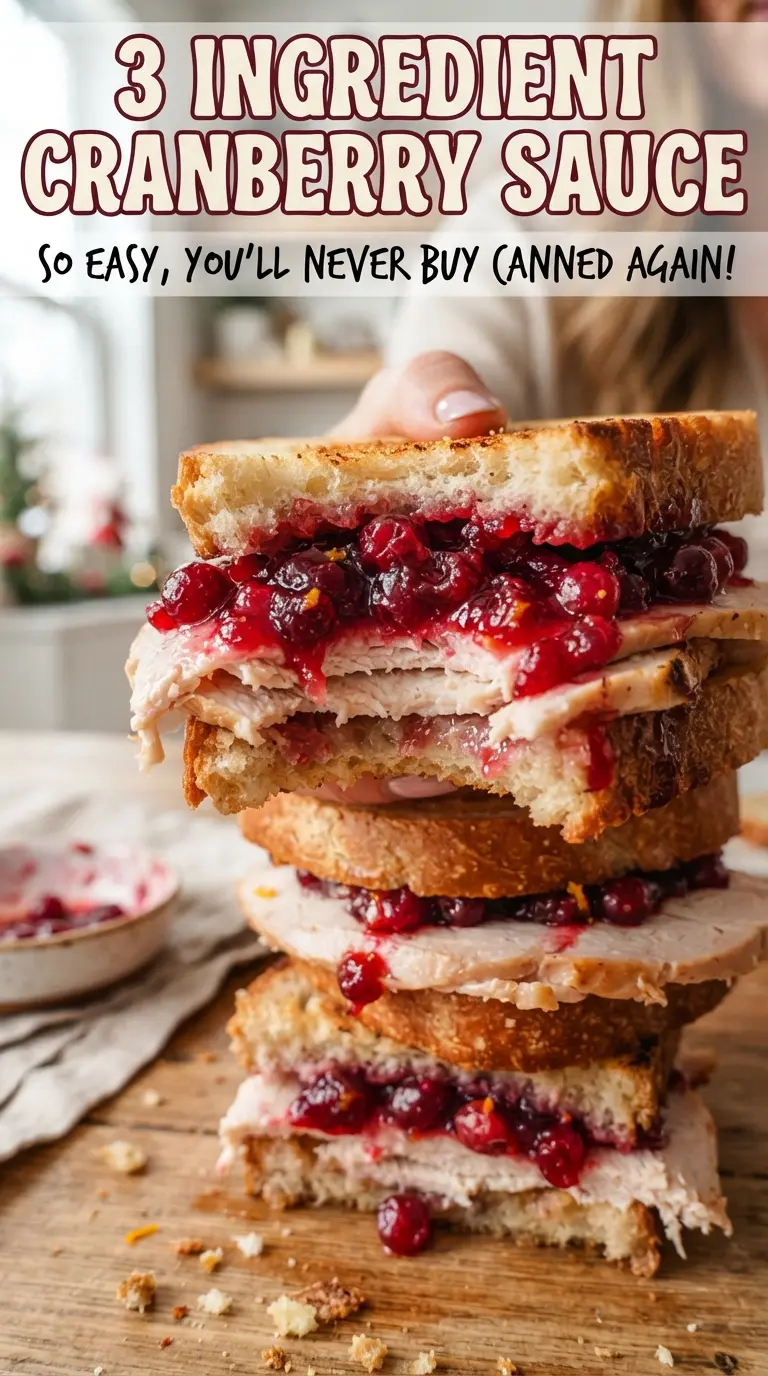
- Fresh cranberries — They bring the sharp, clean fruit flavor and the natural pectin that makes this sauce set up. If yours are soft or shriveled, the sauce can taste flat, so sort through them before cooking.
- Granulated sugar — This is what turns the cranberries from aggressively tart to balanced and spoonable. If you cut the sugar too much, the sauce will taste brighter but can lean thin and puckery.
- Water — Water creates the syrupy base and keeps the sugar from scorching at the start. A little orange juice can replace part of it if you want a citrus note, but the sauce will taste less clean and a bit more rounded.
Cooking the Berries Until They Set Up on Their Own
Dissolving the Syrup First
Bring the sugar and water to a boil and stir until every grain has disappeared. That step gives you an even base, so the finished sauce doesn’t have pockets of undissolved sugar. If the mixture still feels gritty on the spoon, keep it on the heat another minute before adding the cranberries.
Letting the Cranberries Burst
Once the cranberries go in, return the pan to a boil, then lower the heat to a steady simmer. You’ll hear the berries start to pop, and the sauce will move from cloudy and watery to deeper red and slightly thickened. Stir occasionally so the bottom doesn’t scorch, but don’t keep agitating it or the berries break down too fast.
Knowing When to Stop
At around 10 minutes, most of the berries should be burst and the liquid should look lightly syrupy, not thin like fruit punch. It will still seem a little loose in the pot, and that’s right; cranberry sauce finishes thickening as it cools. Pull it from the heat, then leave it alone until it reaches room temperature before chilling.
How to Adjust the Texture and Flavor Without Losing the Balance
Looser, spoonable sauce
Stop the cook a minute early and chill it once it’s cooled. You’ll get a softer sauce that spreads easily and pools a little on the plate instead of slicing cleanly.
Brighter, less sweet version
Reduce the sugar a bit and add a splash of orange juice with the water. The result tastes sharper and more fruit-forward, but it won’t set quite as firmly, so plan for a softer finish.
Make-ahead holiday side
Cook it a day or two in advance and chill it in a covered container. The flavor gets better after a night in the fridge, and the texture firms up to that classic jammy consistency people expect on the table.
Storage and Reheating
- Refrigerator: Store covered for up to 10 days. It will continue to firm up as it chills.
- Freezer: Cranberry sauce freezes well for up to 2 months. Cool it completely first, then freeze in a sealed container with a little room at the top.
- Reheating: Serve it cold or let it sit at room temperature. If you want it warm, heat it gently on the stove over low heat; high heat can make it loose and break the texture.
Answers to the Questions Worth Asking
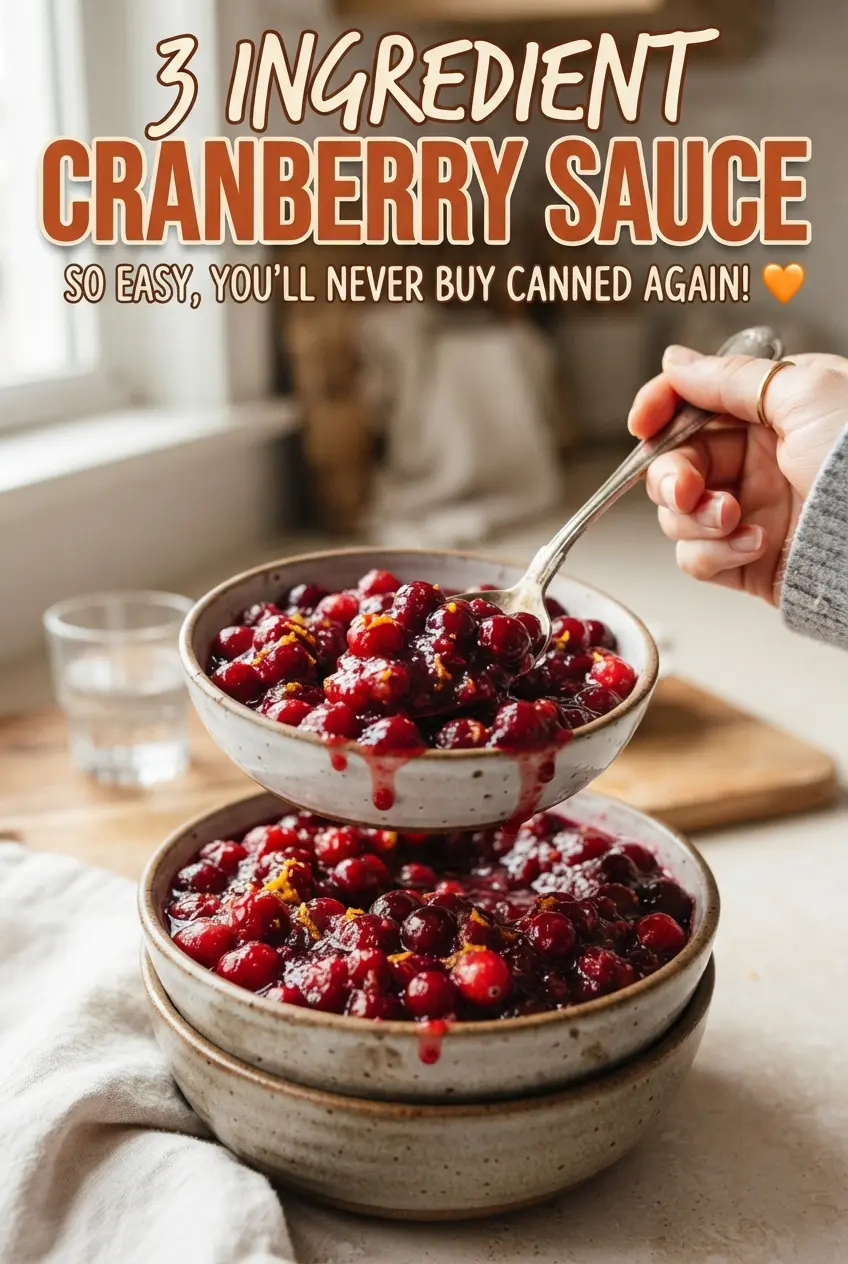
3 Ingredient Cranberry Sauce
Ingredients
Equipment
Method
- Bring the sugar and water to a boil in a saucepan over medium-high heat, stirring until the sugar dissolves.
- Continue boiling until the mixture looks clear and smooth, then keep it at a steady boil before adding the cranberries.
- Add the fresh cranberries and return the mixture to a boil, stirring to coat the berries.
- Reduce heat to a gentle simmer and cook for 10 minutes, stirring occasionally, until the berries burst and the sauce looks thick and glossy.
- Remove from heat and let the cranberry sauce cool completely at room temperature, with steam slowing down as it thickens.
- Chill until serving so it sets as it cools, then serve cold or at cool-room temperature.