Soft, crinkled apple cider cookies have a way of disappearing fast because they land right in that sweet spot between a sugar cookie and a spice cookie. The edges set into a delicate chew while the centers stay tender, and the cinnamon sugar coating gives every bite a little sparkle and warmth. The cider reduction pulls the flavor into something deeper than plain apple spice; it tastes like apples, not just a vague hint of fall baking.
The trick is reducing the cider before it ever touches the dough. That step concentrates the apple flavor and removes extra water, which keeps the cookies from baking up cakey or bland. Brown sugar brings chew, while the mix of cinnamon, ginger, nutmeg, and allspice gives the cookies that bakery-style spice without overwhelming the apple. A quick roll in cinnamon sugar before baking adds just enough crackly exterior to contrast the soft middle.
Below, I’m walking through the part that matters most: how to keep the cider reduction from getting lost in the dough, how to know when these cookies are baked just enough, and a few smart swaps if you need them.
The cider reduction made these taste like actual apple, not just spice, and the edges baked up with the best little crunch. I pulled them at 11 minutes and they stayed soft for days.
Save these apple cider cookies for the days when you want a soft, cinnamon-sugar cookie with a real apple cider glaze flavor.
The Cider Reduction Is What Keeps These Cookies From Tasting Flat
Apple cider sounds like it should bring plenty of flavor on its own, but in cookie dough it can disappear fast if you pour it in straight from the bottle. Reducing it first changes everything. You boil off the excess water and leave behind a syrupy, concentrated cider that actually holds its own against butter, sugar, and flour.
If your cookies taste more like cinnamon than apple, that’s usually the reason. The reduction also helps the dough stay balanced, so the centers bake up soft instead of wet or cakey. Let it cool completely before mixing it in; warm cider can soften the butter too much and make the dough spread more than you want.
- Reduced apple cider — This is the signature flavor, and there isn’t a true shortcut. You need the concentration from simmering it down, or the apple note gets buried.
- Brown sugar — This brings moisture and chew, which fits the cider reduction better than using white sugar alone. The molasses note also plays nicely with the spices.
- Butter — Softened butter creams with the sugars and gives the cookies their tender bite. If it’s melting, the dough will spread too much and bake up greasy.
- Spice blend — Cinnamon, ginger, nutmeg, and allspice make the cookie taste warm and layered instead of one-note. Fresh spices matter here more than in a plain sugar cookie because the recipe leans on them for depth.
What Each Ingredient Is Actually Doing in This Recipe
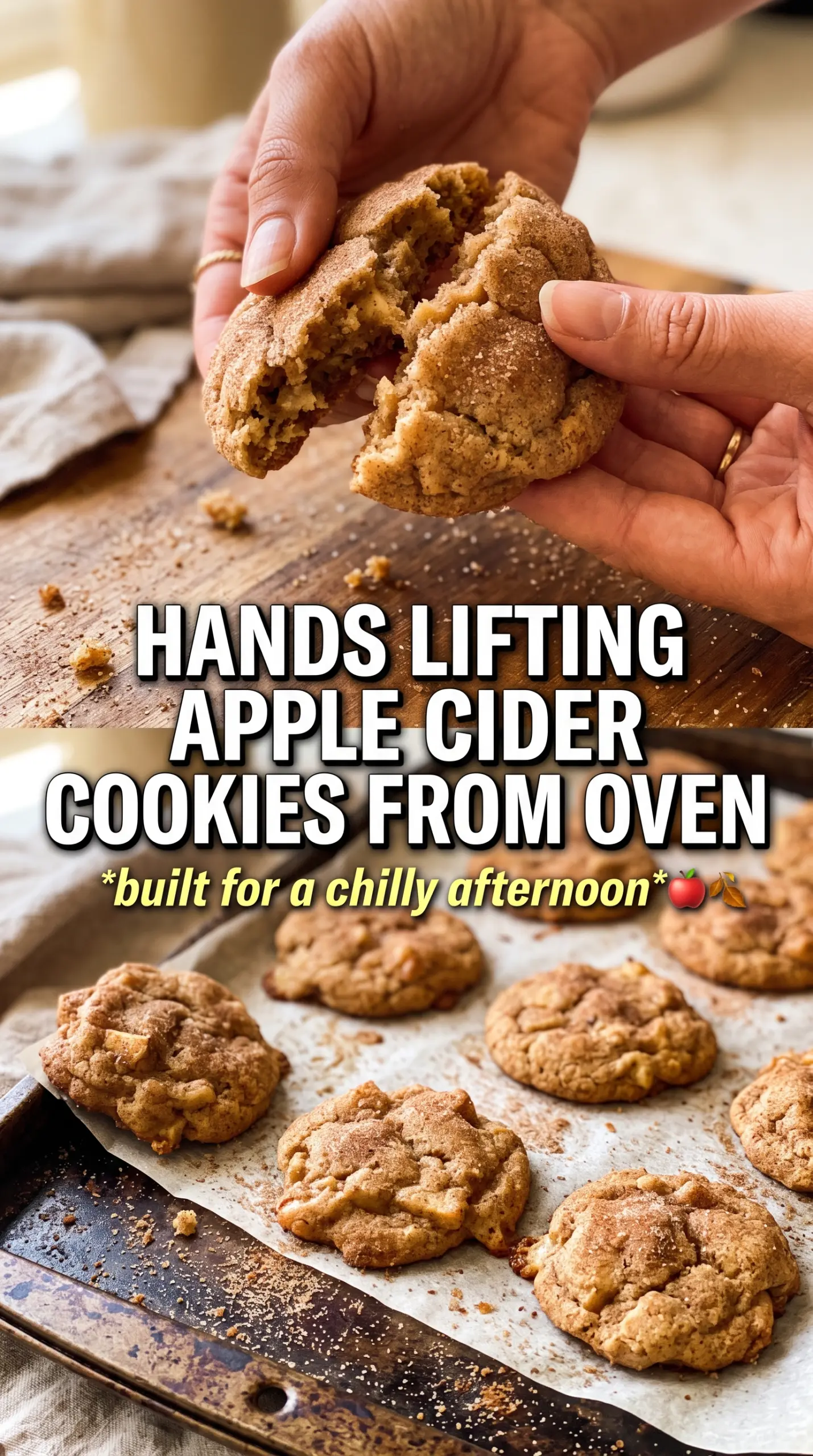
- Primary ingredient (the star) — Quality matters most. Choose the best you can find.
- Cooking medium (oil, butter, or broth) — This carries flavors and prevents dryness.
- Seasonings (salt, pepper, spices, herbs) — Layer flavors so nothing overpowers. Build depth gradually.
- Aromatics (garlic, onion, herbs) — Cook with fat to bloom flavors. Become the foundation.
- Supporting ingredients — Complement the main ingredient without overpowering it.
- Sauce or liquid (if applicable) — Brings flavors together. Balance richness with acid.
- Acid (lemon, vinegar, wine, or other) — Brightens and prevents flat-tasting results.
- Final finish (garnish, glaze, or sauce) — Prevents one-dimensional taste and adds visual appeal.
Building the Dough So the Cookies Stay Soft, Not Puffy
Whisk the dry ingredients together first so the baking soda and spices are evenly distributed. That keeps one bite from tasting sharply spiced while another tastes plain. Cream the butter and sugars until they look lighter in both color and texture; you’re not just mixing, you’re trapping air that helps the cookies bake with a soft crumb.
Creaming the Butter and Sugars
Beat the butter with both sugars until the mixture looks fluffy and a little paler, about 2 to 3 minutes with a hand mixer. If you stop too soon, the cookies can bake dense and heavy. Add the egg, vanilla, and cooled cider reduction after the butter mixture is light, not before, so everything emulsifies cleanly instead of looking separated.
Bringing the Dough Together
Stir in the flour mixture just until the last streaks disappear. Overmixing after the flour goes in makes the cookies tough and dry at the edges. The dough should be soft and scoopable, not sticky like cake batter and not stiff like shortbread.
Rolling and Baking for the Right Finish
Scoop the dough into 1 1/2 tablespoon portions and roll each ball in the cinnamon sugar before baking. That outer coating gives you the delicate crackle on top. Bake just until the edges are set and the centers still look a little soft; if you wait for the middle to look fully done in the oven, the cookies will come out dry after cooling.
Make Them With a Little More Spice
If you want the cookies to lean more bakery-style and less subtle, add an extra 1/4 teaspoon cinnamon or a pinch more ginger. That gives a sharper spice note, but keep the balance in mind; too much spice can crowd out the apple cider reduction.
Gluten-Free Version
Use a good cup-for-cup gluten-free flour blend in place of the all-purpose flour. The cookies will still be soft and flavorful, though the texture may be a touch more delicate. Chill the dough for 20 minutes if it feels loose, since gluten-free blends can spread a little more.
Dairy-Free Swap
Use a plant-based butter that comes in sticks and behaves like regular butter in baking. Tub spreads often hold more water and can make the dough softer, which changes how the cookies spread. The flavor stays close, but the edges may brown a little faster.
Storing the Cookies
- Refrigerator: Store in an airtight container for up to 5 days. They stay soft, though the cinnamon sugar coating loses some crunch after the first day.
- Freezer: Freeze baked cookies for up to 2 months. Layer parchment between them so the sugar coating doesn’t rub off.
- Reheating: Warm a cookie in the microwave for 8 to 10 seconds or in a low oven for a few minutes. Don’t overheat them or the centers dry out fast and the edges turn brittle.
Questions I Get Asked About This Recipe
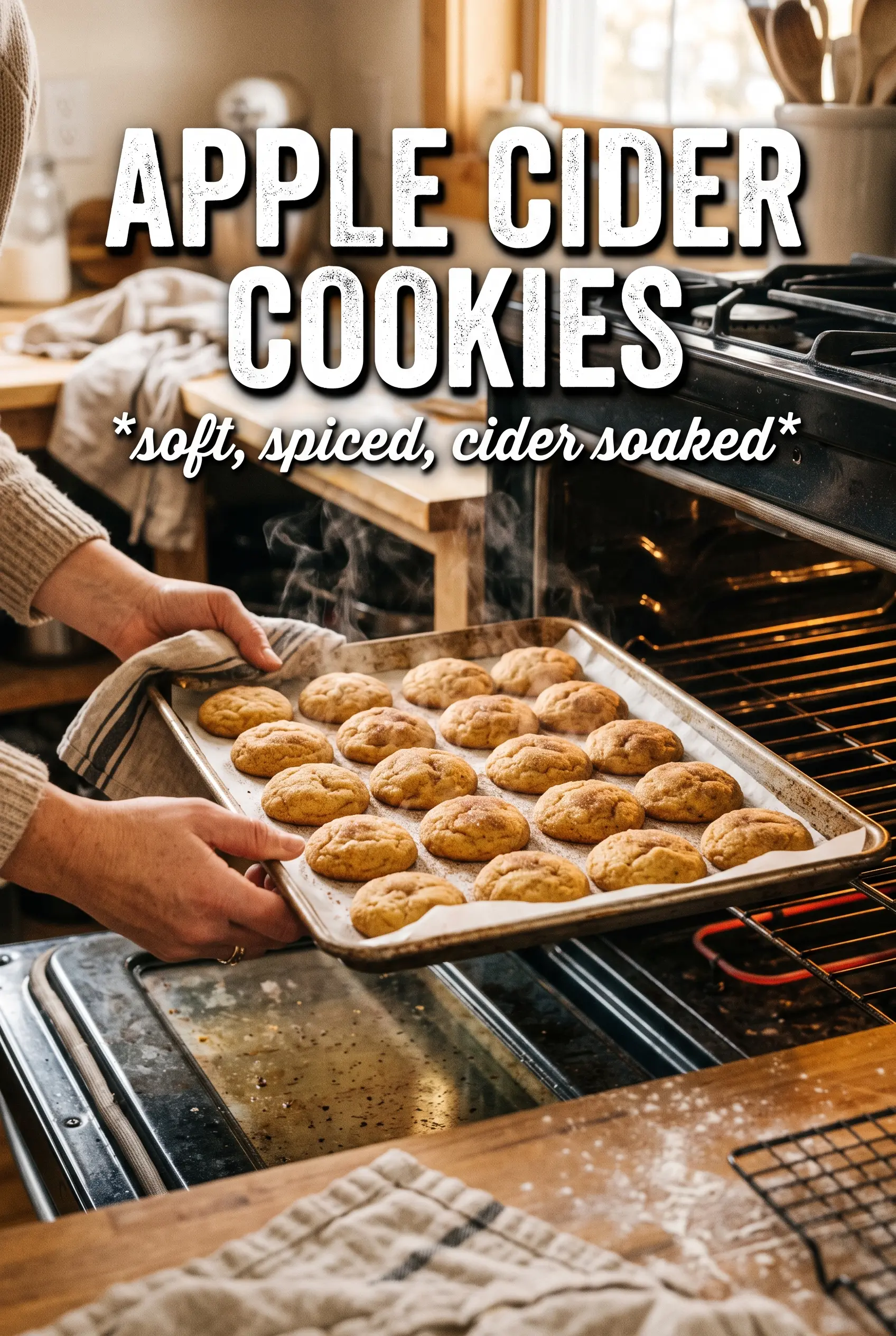
Apple Cider Cookies
Ingredients
Equipment
Method
- Reduce the apple cider in a small saucepan over medium heat until syrupy, then cool completely. You should see it thicken and coat the back of a spoon.
- Preheat the oven to 350F and line baking sheets with parchment. Arrange racks so the cookies bake evenly.
- Whisk the all-purpose flour, baking soda, cinnamon, ginger, nutmeg, allspice, and salt in a bowl. Whisk until the spices are evenly distributed.
- Beat the softened unsalted butter and both sugars until light and fluffy, about 2-3 minutes. The mixture should look paler and feel aerated.
- Add the egg, vanilla extract, and reduced apple cider, then mix just until combined. The batter will loosen slightly and look glossy.
- Stir in the flour mixture until just combined. Stop as soon as no dry streaks remain for a tender cookie.
- Scoop the dough into 1-1/2 tablespoon balls and roll each ball in the cinnamon sugar made from sugar and cinnamon. The surface should look fully coated.
- Place the dough balls on the prepared baking sheets, spacing them apart. Arrange them so they have room to spread.
- Bake at 350F for 10-12 minutes, until the edges are set. The centers should still look slightly soft.
- Cool on the pan for 5 minutes before transferring. The cookies will finish setting as they cool.