Apple cider cupcakes bake up soft, tender, and deeply spiced, with the kind of crumb that stays moist for days instead of drying out by the next afternoon. The reduced cider gives them a stronger apple flavor than you get from a splash of juice in the batter, and the cinnamon cream cheese frosting brings the whole thing together with just enough tang to keep each bite from feeling heavy.
The part that makes these worth repeating is the cider reduction. Cooking the cider down first concentrates the apple flavor and keeps the batter from turning watery, which matters a lot in a cupcake that already leans soft from brown sugar and sour cream. The frosting uses a little more reduced cider too, so the apple note shows up all the way through instead of hiding under the cinnamon.
Below, I’ve included the one texture cue that matters most when you’re baking these, plus a few swaps that help if you need to adjust for what’s in your kitchen.
The cupcakes came out incredibly soft and the cider reduction gave them a real apple flavor instead of just spice. The frosting piped beautifully and held its shape even after I drizzled the caramel.
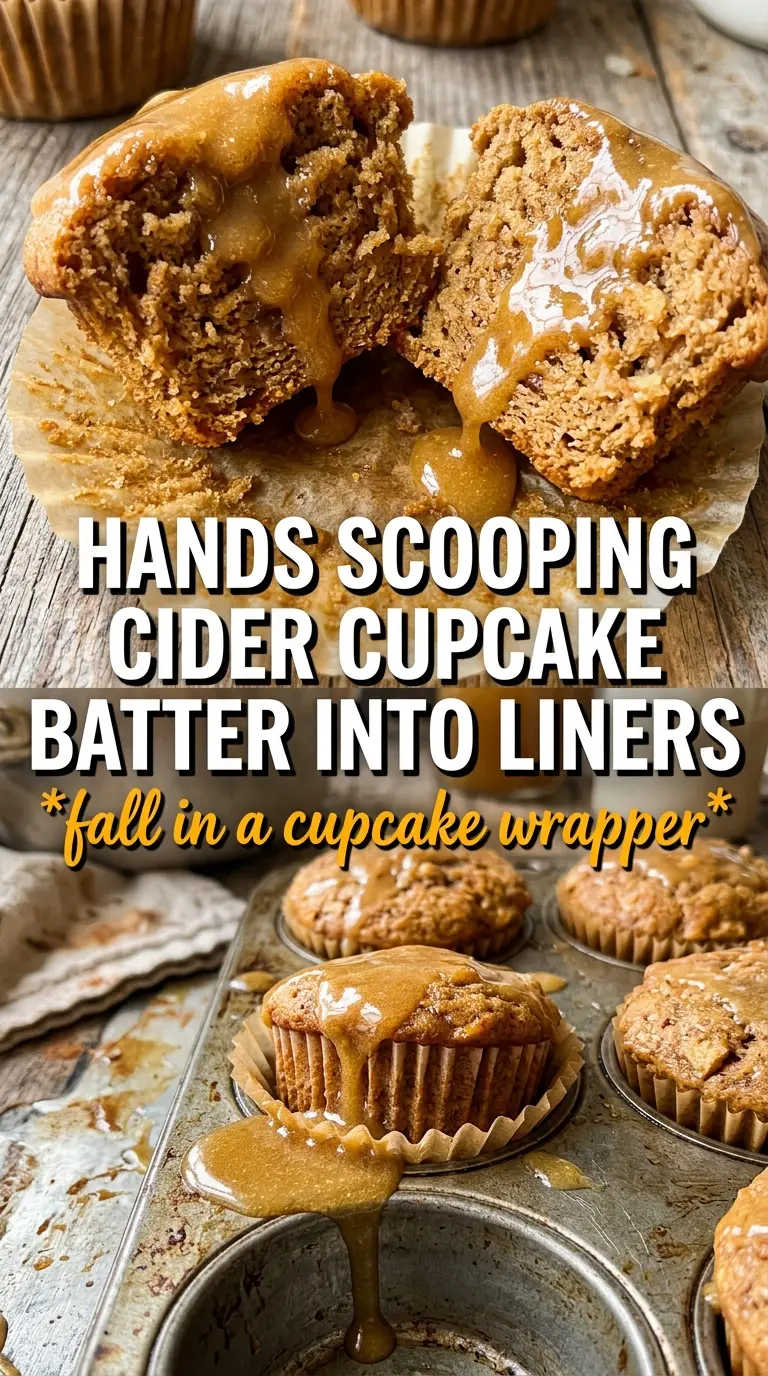
Save these apple cider cupcakes for the days when you want a soft spice cake, a tangy cream cheese frosting, and a caramel drizzle that makes the whole batch feel special.
The Reduction Is What Keeps the Apple Flavor from Disappearing
Most apple cider cupcakes taste mostly like cinnamon because the cider gets diluted by the batter. Reducing it first changes that. You end up with a smaller amount of liquid, but every spoonful carries more apple flavor, and that concentrated cider stands up to the brown sugar, butter, and frosting.
The other payoff is texture. Extra liquid makes cupcakes soft at first and gummy later, especially once frosting goes on. Reducing the cider, then cooling it before it hits the batter, gives you strong flavor without throwing off the structure.
- Reduced apple cider — This is the ingredient that makes the cupcakes taste like apple instead of just spice. Cool it completely before adding it or you’ll melt the butter and loosen the batter.
- Sour cream — It keeps the crumb plush and gives the cupcakes a little lift in flavor. Plain Greek yogurt works in a pinch, but it’s tangier and a touch thicker.
- Brown sugar — It adds moisture and a soft caramel note that white sugar can’t match here. Light brown sugar works fine; dark brown sugar will make the cupcakes a little deeper and richer.
- Cream cheese frosting — The tang is what balances the sweetness of the cupcakes and the caramel drizzle. If you want a stiffer frosting for piping, chill it for 10 to 15 minutes before using it.
What Each Ingredient Is Actually Doing in This Recipe
- Primary ingredient (the star) — Quality matters most. Choose the best you can find.
- Cooking medium (oil, butter, or broth) — This carries flavors and prevents dryness.
- Seasonings (salt, pepper, spices, herbs) — Layer flavors so nothing overpowers. Build depth gradually.
- Aromatics (garlic, onion, herbs) — Cook with fat to bloom flavors. Become the foundation.
- Supporting ingredients — Complement the main ingredient without overpowering it.
- Sauce or liquid (if applicable) — Brings flavors together. Balance richness with acid.
- Acid (lemon, vinegar, wine, or other) — Brightens and prevents flat-tasting results.
- Final finish (garnish, glaze, or sauce) — Prevents one-dimensional taste and adds visual appeal.
Building the Batter Without Deflating It
Start with the Butter and Brown Sugar
Beat the butter and brown sugar until the mixture looks lighter and a little fluffy. You’re not just combining them; you’re adding air, which helps the cupcakes rise without turning dense. If the butter is too cold, the mixture will look grainy and never smooth out, so let it soften until it presses easily but doesn’t look oily.
Add the Wet Ingredients in the Right Order
Beat in the eggs one at a time, then add the vanilla, reduced cider, and sour cream. The batter may look slightly curdled after the cider goes in, and that’s fine once the flour is added. The main mistake here is using warm cider, which can loosen the butter and make the batter split more than it should.
Fold in the Dry Ingredients Gently
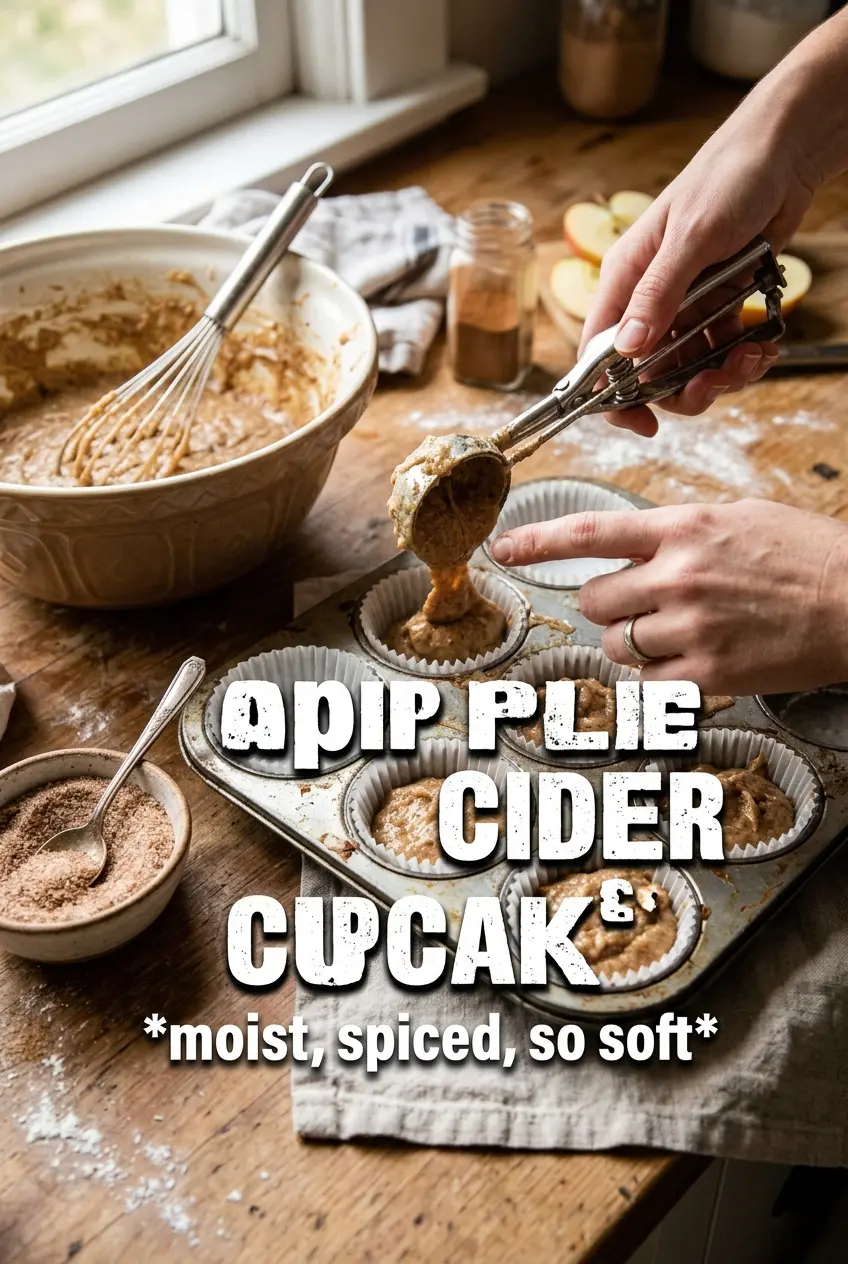
Mix in the flour, baking powder, baking soda, salt, cinnamon, and nutmeg just until no dry streaks remain. Overmixing at this point gives you tunnels and tougher cupcakes instead of a soft, even crumb. Fill the liners about two-thirds full so the tops dome without spilling over the edges.
Bake Until the Centers Set
Bake at 350°F for 18 to 20 minutes. The tops should spring back when touched lightly, and a toothpick should come out with a few moist crumbs, not wet batter. Pull them early if you’re unsure; overbaking is what turns a good spice cupcake dry.
Cool Before Frosting
Let the cupcakes cool completely on a rack before you add the frosting. Warm cupcakes melt cream cheese frosting fast, and the drizzle will slide right off instead of sitting in clean ribbons. If you want neat swirls, chill the frosting briefly so it pipes with more structure.
How to Adjust These Cupcakes for Different Kitchens and Occasions
Dairy-Free Version
Use a dairy-free butter substitute in the cupcakes and swap the sour cream for an unsweetened dairy-free yogurt. For the frosting, use a dairy-free cream cheese style product that’s meant for baking or spreading, since some melt too quickly and won’t hold a pipeable texture.
Extra-Spiced Cupcakes
Add a pinch of ground cloves or ginger if you want a warmer finish. Keep it light, though, because too much spice can bury the reduced cider and make the cupcakes taste like generic spice cake instead of apple cider cupcakes.
Making Them Ahead
Bake the cupcakes a day ahead and frost them the day you plan to serve them. The flavor improves overnight, and the crumb stays soft. If you frost them too early, the caramel can soften the frosting and make the tops look messy by the next day.
Storage and Reheating
- Refrigerator: Store frosted cupcakes in an airtight container for up to 4 days. The frosting stays safe and the cupcakes stay soft, though the tops may pick up a little chill.
- Freezer: Freeze unfrosted cupcakes tightly wrapped for up to 2 months. Thaw at room temperature, then frost after they’re fully thawed for the best texture and cleanest finish.
- Reheating: These aren’t meant to be reheated once frosted. If you froze the cupcakes unfrosted, thaw them completely before frosting so the icing doesn’t slide off a cold surface.
Questions I Get Asked About This Recipe
Apple Cider Cupcakes
Ingredients
Equipment
Method
- Simmer apple cider until reduced to 1/3 cup, then cool completely; reserve the extra 3 tbsp for the frosting.
- Preheat the oven to 350°F and line a cupcake tin with paper liners.
- Beat butter and brown sugar together until well combined, then beat in eggs one at a time followed by vanilla, reduced cider, and sour cream.
- Fold in the flour mixture (flour, baking powder, baking soda, cinnamon, nutmeg, and salt) until no dry streaks remain.
- Spoon batter into liners, filling each about 2/3 full, then bake for 18–20 minutes until the tops spring back lightly.
- Cool cupcakes completely before frosting so the frosting stays smooth and holds its shape.
- Beat cream cheese and butter until smooth, then beat in reduced cider, powdered sugar, and cinnamon until thick and pipeable.
- Pipe swirls of frosting on the cooled cupcakes and drizzle with caramel.