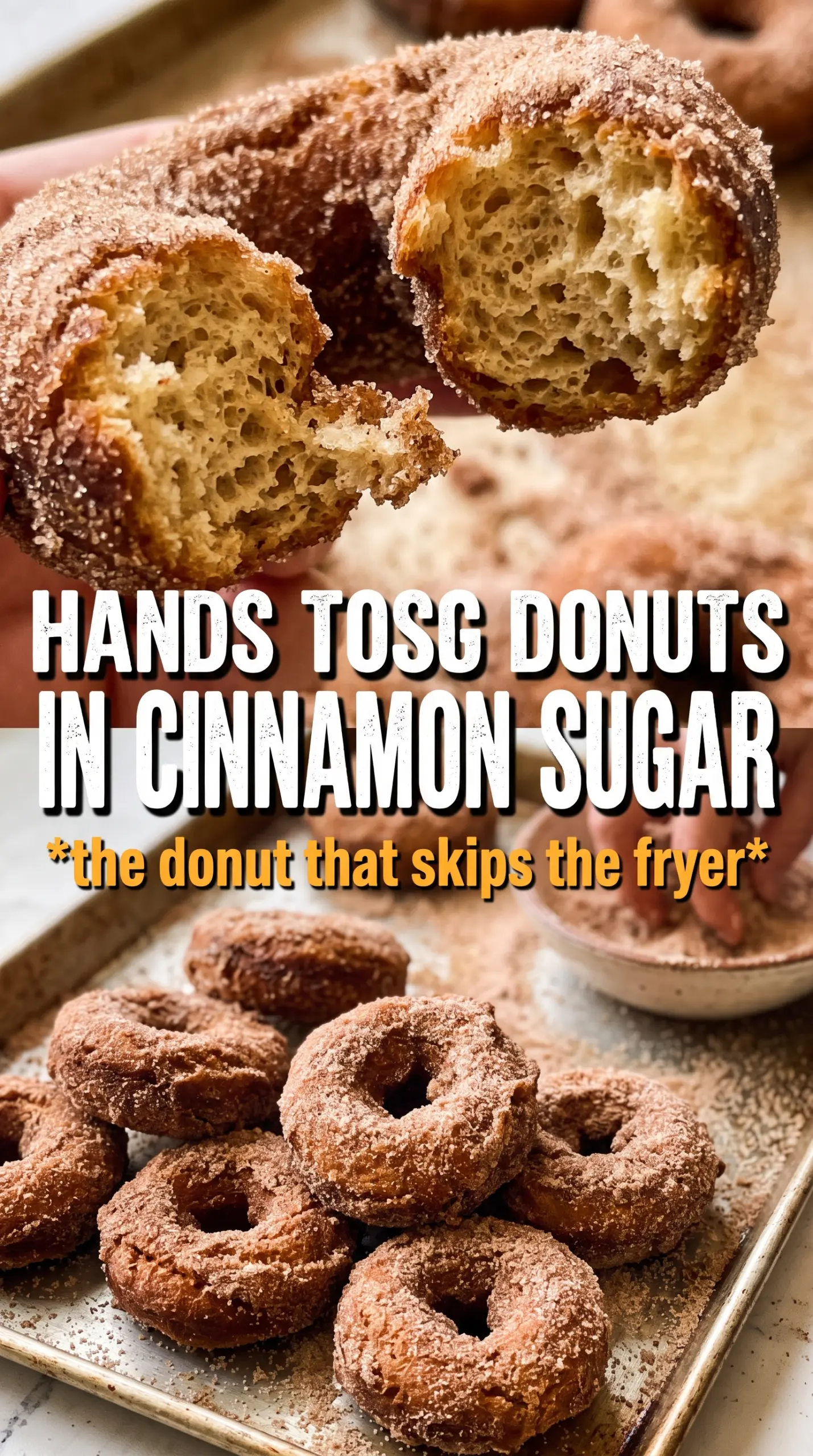
These baked apple cider donuts come out tender inside with a lightly crisp sugar shell and a deep apple flavor that tastes like the cider is baked right through the middle. The reduction step gives them the kind of flavor most cake donuts miss, and the cinnamon sugar coating adds that bakery-style finish without needing a fryer.
The key is reducing the cider before it ever hits the batter. That concentrates the apple flavor and keeps the donuts from tasting flat or watered down. Sour cream adds just enough richness to keep the crumb soft, while the butter and sugar coating goes on while the donuts are still warm so it sticks in a thin, even layer.
Below, I’ll walk through the one step that makes the biggest difference, plus the small timing details that keep these donuts light instead of dense.
The cider reduction made all the difference here. The donuts baked up tender, not dense, and the cinnamon sugar stuck perfectly while they were still warm.
Love these baked apple cider donuts? Save them to Pinterest for the mornings when you want a warm cider-spiced breakfast treat with that cinnamon sugar finish.
The Cider Reduction Is What Keeps These Donuts from Tasting One-Dimensional
If you skip the reduction, the donuts will still bake, but they won’t taste like much beyond cinnamon cake. Apple cider is mostly water, and that water needs to come out before the flavor can stand up to the flour, sugar, and dairy. Reducing it to half a cup concentrates the apple note and gives the batter a stronger backbone.
Cooling the cider completely matters too. Hot cider can start softening the eggs and butter too early, which changes the texture before the batter even hits the pan. You want the mixture smooth and thick enough to spoon cleanly into the donut pan, not loose or warm.
- Reduced apple cider — This is the flavor engine. Fresh cider works best, and the reduction is not optional if you want real apple taste instead of spice-cake flavor.
- Sour cream — It keeps the crumb tender and adds a gentle tang that balances the sugar. Plain Greek yogurt works in a pinch, but the donuts may bake up a little tighter.
- Brown sugar — It brings moisture and a deeper caramel note that plays well with the cider. Light brown sugar is fine; dark brown sugar will make the flavor more molasses-forward.
- Butter for coating — Brush it on while the donuts are still warm so the cinnamon sugar clings evenly. If they cool completely first, the coating tends to fall off in patches.
The Batter Texture That Gives You Tender Donuts Instead of Little Bricks
- Flour — All-purpose flour gives the donuts enough structure to hold the ring shape without turning chewy. Measure it lightly so you don’t pack in extra flour and dry out the crumb.
- Eggs — They bind the batter and help the donuts rise evenly. Room temperature eggs blend faster and keep the melted butter from seizing.
- Spices — Cinnamon, nutmeg, and allspice make the donuts taste like apple cider instead of plain vanilla cake. The combination matters; cinnamon alone won’t give you the same depth.
- Vanilla — It rounds out the cider and spice so the flavor tastes complete, not sharp. Use pure vanilla if you have it; this is one place where the difference shows up.
Getting the Batter into the Pan Without Overmixing It
Building the Base
Whisk the dry ingredients in one bowl and the sugars, eggs, melted butter, sour cream, reduced cider, and vanilla in another until the wet mixture looks smooth. The melted butter should be warm, not hot, or it can create little butter bits when it hits the dairy. Once the flour goes in, stop as soon as you no longer see dry streaks. Overmixing is what makes baked donuts tough instead of soft.
Filling the Donut Pan Cleanly
Spoon or pipe the batter into a greased donut pan, filling each cavity about two-thirds full. A piping bag gives the neatest rings, but a zip-top bag with the corner snipped works just as well. If you overfill, the center hole will close up and you’ll lose that classic donut shape. If the pan is under-greased, the sugar coating won’t help much later because the donut surface will tear coming out.
Baking to the Right Done-ness
Bake at 375°F until the tops spring back lightly and a toothpick comes out clean, usually 10 to 12 minutes. Pull them before they start to brown heavily or the crumb turns dry fast. Let them rest just long enough to handle, but not long enough to cool completely, because the coating sticks best while the surface is still warm.
The Butter-and-Sugar Finish
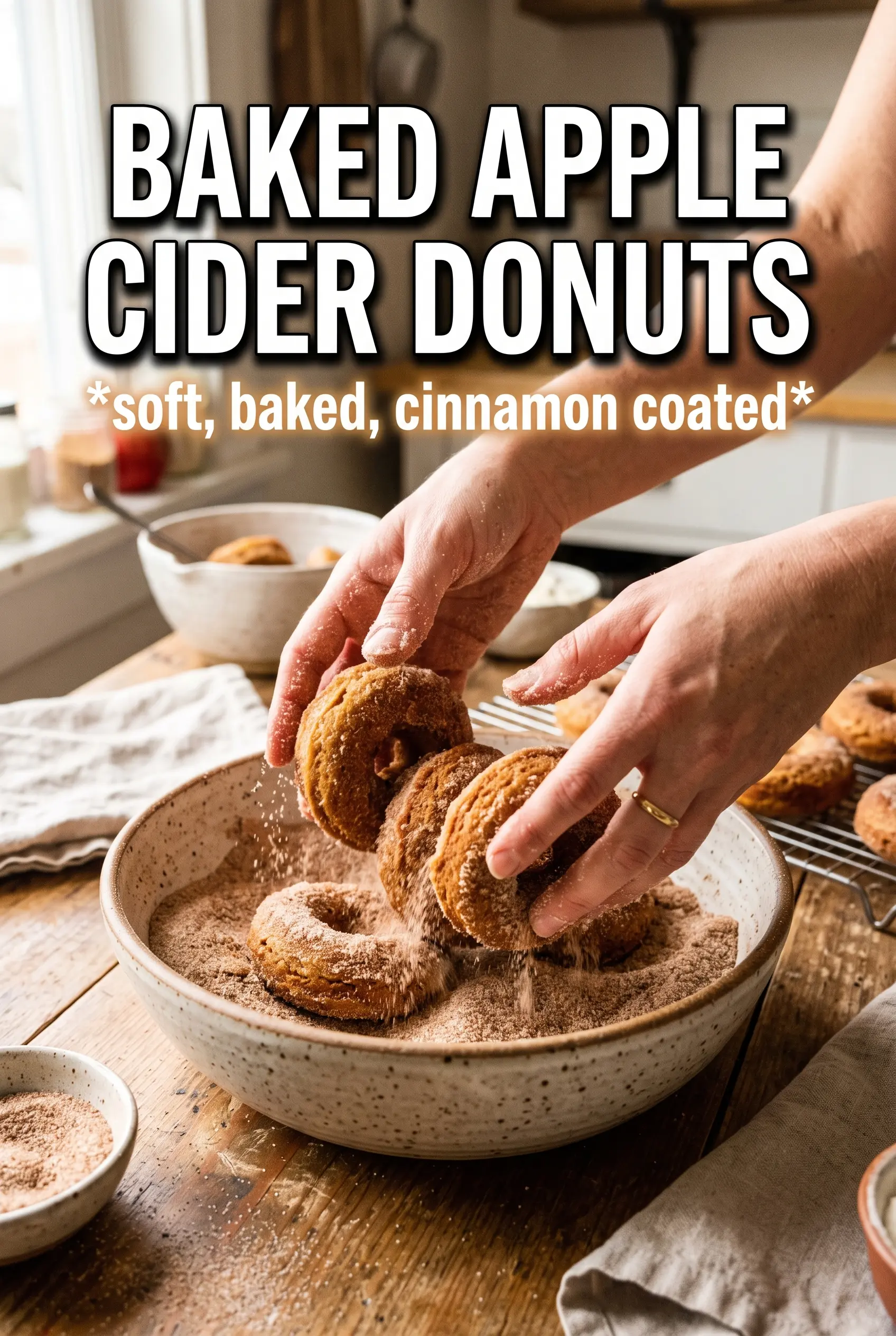
Brush each donut with melted butter, then roll it in the cinnamon sugar mixture until coated all over. Work one at a time so the butter doesn’t soak in and set before the sugar goes on. If the coating looks patchy, the donuts were too cool or the butter layer was too thin. A second light brush fixes that fast.
How to Adapt These Donuts When You Need a Different Pan, Diet, or Flavor
Gluten-Free Version
Use a good 1:1 gluten-free baking flour with xanthan gum already included. The donuts will still be tender, but the crumb may be a touch more delicate, so let them cool for a couple of minutes in the pan before turning them out.
Dairy-Free Swap
Use dairy-free butter for the batter and coating, and replace the sour cream with unsweetened dairy-free yogurt. The texture stays close to the original, though the finished donuts may taste a little less rich and a little more tart.
Mini Donuts for Faster Baking
Pipe the batter into a mini donut pan and start checking around 7 minutes. Smaller donuts bake faster and get a higher ratio of cinnamon sugar coating to soft crumb, which makes them taste extra bakery-style.
Storage and Reheating
- Refrigerator: Store in an airtight container for up to 3 days. The sugar coating softens a bit, but the donuts stay tender.
- Freezer: Freeze without the cinnamon sugar coating for best results, then thaw and coat after warming. They freeze well for up to 2 months.
- Reheating: Warm in a 300°F oven for 5 to 7 minutes. The mistake to avoid is microwaving too long, which makes the crumb rubbery and melts the coating into a greasy layer.
Answers to the Questions Worth Asking
Baked Apple Cider Donuts
Ingredients
Equipment
Method
- Simmer apple cider over medium heat until reduced to 1/2 cup, then set aside to cool completely. You should see it thicken and the volume decrease noticeably.
- Preheat oven to 375F and grease a donut pan. Make sure every cavity is well coated so the donuts release cleanly.
- Whisk flour, baking powder, cinnamon, nutmeg, allspice, and salt in a mixing bowl until evenly combined. The spice blend should look uniform with no clumps.
- Whisk both sugars, eggs, melted butter, sour cream, reduced cider, and vanilla until smooth. The mixture should be glossy and fully incorporated.
- Fold the flour mixture into the wet ingredients until just combined. The batter should be thick enough to spoon or pipe.
- Spoon or pipe batter into the donut pan cavities, filling each about 3/4 full. Tap the pan lightly to settle the batter.
- Bake at 375F for 10-12 minutes, until a toothpick comes out clean. The donuts should look set and lightly golden at the edges.
- Brush warm donuts with melted butter, then roll in cinnamon sugar to coat. The coating should cling while the donuts are still warm.