Silky butternut squash pasta sauce has a way of turning a plain bowl of rigatoni into something that tastes slow-cooked and intentional, even on a weeknight. The sauce clings to every ridge, stays velvety instead of watery, and brings that sweet-savory balance that keeps people going back for one more forkful.
What makes this version work is the way the squash is cooked all the way down before it ever meets the cream. That step gives you a smooth base instead of a grainy puree, and the onion, garlic, and sage build enough depth that the sauce tastes rounded, not just sweet. A little nutmeg wakes up the squash, while parmesan adds salt and body without making the sauce heavy.
Below, I’ve included the one blending trick that keeps the texture dead smooth, plus a few ways to adapt the sauce if you want it a little lighter, dairy-free, or ready for leftovers.
The squash melted down beautifully and the sauce turned out silky instead of chunky. I added a splash of pasta water at the end and it coated the rigatoni perfectly.
Save this butternut squash pasta sauce for the nights when you want a silky, savory pasta dinner that tastes like you worked a lot harder than you did.
The Mistake That Makes Butternut Squash Sauce Taste Flat
Butternut squash has a lot of natural sweetness, and that’s exactly why this sauce can fall flat if you rush the base. If the onion never softens, or the squash goes into the pot without enough time to break down, you end up with a sauce that tastes one-note and a little raw at the edges. The fix is patience at the start and a proper simmer before blending.
The other thing that matters is balance. Parmesan, sage, nutmeg, and a touch of red pepper flakes keep the sauce from drifting into dessert territory. You don’t need a long ingredient list here, but you do need enough salt and enough savory depth to turn the squash into a real pasta sauce instead of a puree dressed up with cream.
- Butternut squash — Peel it and cut it into even cubes so it cooks at the same pace. Small, uniform pieces soften faster and blend smoother, which is what gives the sauce its body.
- Sage — Fresh sage brings a warm, earthy note that dried sage doesn’t fully match. If you only have dried, use less and crush it between your fingers before it hits the pan.
- Heavy cream — This is what makes the sauce taste lush and helps it cling to the pasta. Half-and-half works in a pinch, but the sauce will be a little thinner and less rich.
- Parmesan — Grate it fresh if you can. Pre-grated cheese often has anti-caking agents that can make the sauce grainy instead of smooth.
- Pasta water — Don’t skip this. The starch helps the sauce emulsify and loosen just enough to coat rigatoni or penne without turning soupy.
What Each Ingredient Is Actually Doing in This Recipe
- Primary ingredient (the star) — Quality matters most. Choose the best you can find.
- Cooking medium (oil, butter, or broth) — This carries flavors and prevents dryness.
- Seasonings (salt, pepper, spices, herbs) — Layer flavors so nothing overpowers. Build depth gradually.
- Aromatics (garlic, onion, herbs) — Cook with fat to bloom flavors. Become the foundation.
- Supporting ingredients — Complement the main ingredient without overpowering it.
- Sauce or liquid (if applicable) — Brings flavors together. Balance richness with acid.
- Acid (lemon, vinegar, wine, or other) — Brightens and prevents flat-tasting results.
- Final finish (garnish, glaze, or sauce) — Prevents one-dimensional taste and adds visual appeal.
Building the Sauce So It Stays Velvety
Softening the Onion and Herbs First
Start with the onion in olive oil and let it cook until it looks glossy and translucent, not browned. That gentle sweat builds sweetness without bringing in any bitterness. Add the garlic and sage after the onion has softened, because garlic burns fast and sage can turn harsh if it sits in hot oil too long. If the garlic darkens, the whole sauce picks up a bitter edge that you’ll taste all the way through.
Cooking the Squash Until It Collapses
Add the squash and broth, then simmer until the cubes are fork-tender and starting to break apart at the edges. This is the part that decides whether the sauce blends into silk or stays slightly coarse. If the squash still offers resistance in the center, keep cooking; an immersion blender can’t fully hide undercooked squash. The broth should reduce a little, but you still want enough liquid in the pot for blending.
Finishing With Cream and Cheese
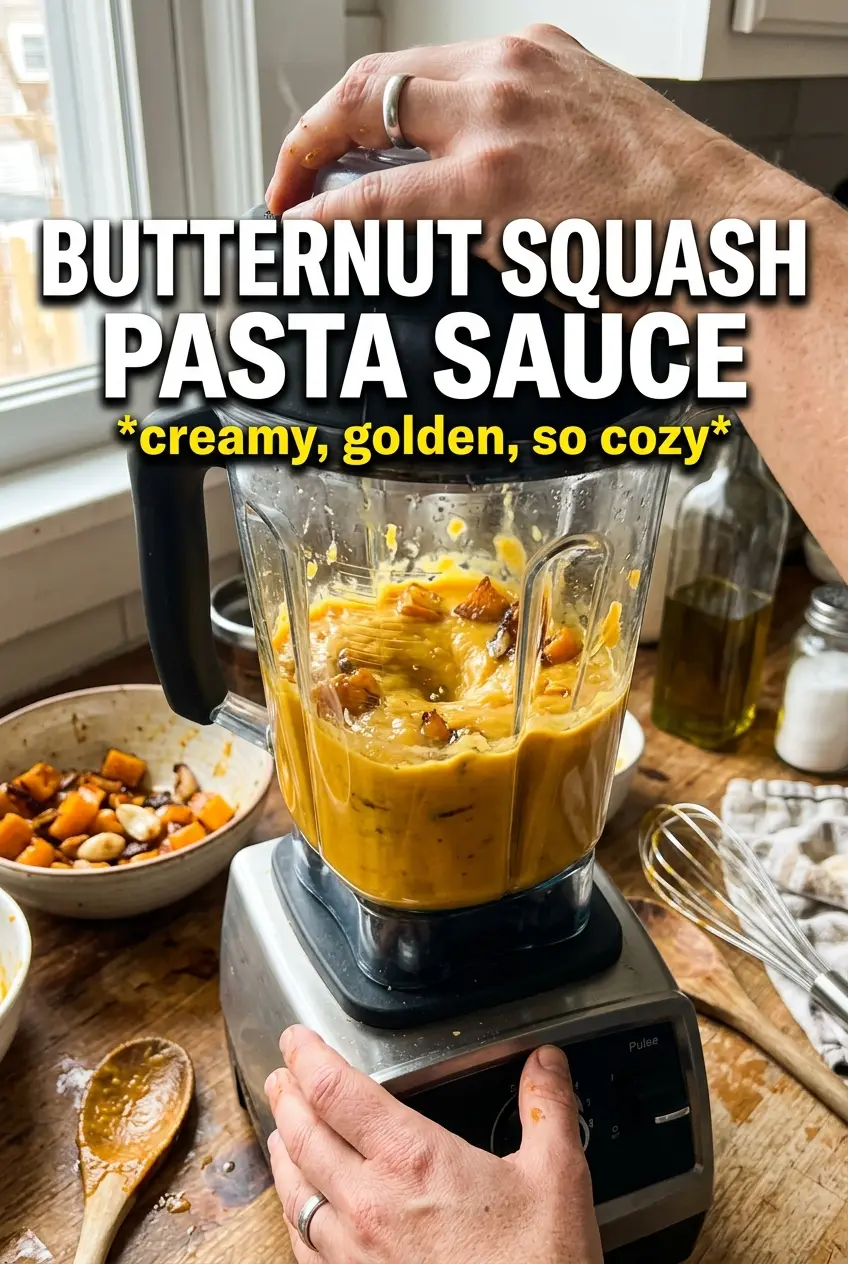
Blend the mixture completely smooth before adding the cream and parmesan. That order matters because dairy can mask lumps, but it won’t fix them. Stir in the cream, parmesan, nutmeg, and red pepper flakes over low heat, then let the sauce simmer just long enough to thicken slightly. If it looks grainy, the heat was too high when the cheese went in, so pull the pot off the burner and stir until it settles back together.
Tossing the Pasta the Right Way
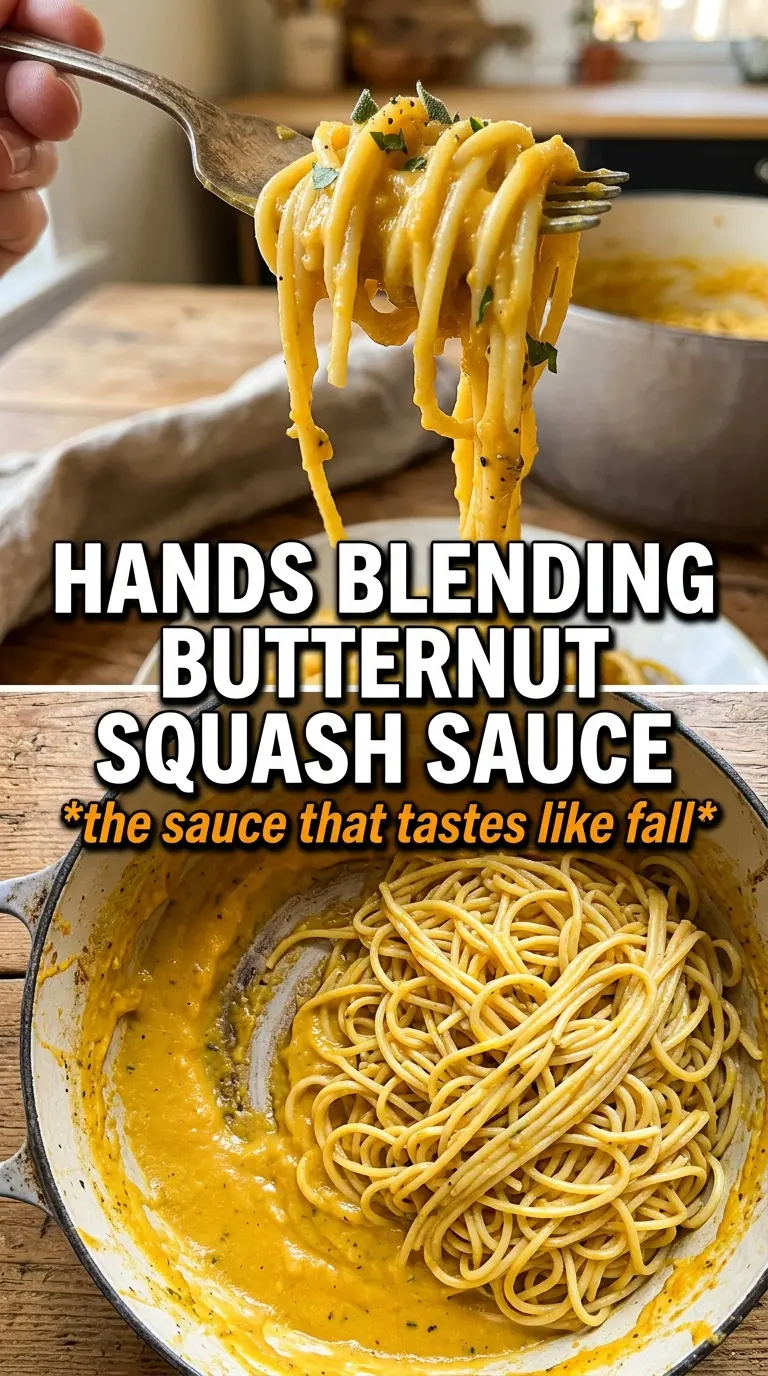
Cook the pasta until just al dente, then move it straight into the sauce with a splash of reserved water. Rigatoni and penne hold onto the sauce beautifully because the ridges catch the puree instead of letting it slide off. If the sauce seems too thick, add the pasta water a little at a time until it loosens and turns glossy. The finished bowl should look coated, not pooled.
What to Change When You Want a Different Kind of Finish
Dairy-Free and Still Creamy
Swap the heavy cream for full-fat coconut milk or an unsweetened oat-based cooking cream, then use a dairy-free parmesan alternative or skip the cheese and add a little extra salt. Coconut milk gives the sauce more richness, while oat cream keeps the flavor closer to the original. The result is still silky, but a little less savory and a little more delicate.
A Lighter Sauce for Weeknights
Replace half the cream with extra broth and hold back a little parmesan until the end. The sauce won’t be as lush, but it will still coat the pasta well if you use enough pasta water. This version tastes cleaner and lets the squash flavor come forward more sharply.
Gluten-Free Serving
Use your favorite gluten-free rigatoni or penne and undercook it slightly before tossing it into the sauce. Gluten-free pasta keeps absorbing liquid after it’s drained, so a little extra pasta water helps keep the finished dish from tightening up. The sauce itself is naturally gluten-free as long as your broth is.
Making It Ahead
Cook the sauce through the blending stage, then cool it before adding the pasta. When you reheat it, stir in the cream and parmesan fresh so the texture stays smooth. Pasta and sauce combined ahead of time tend to drink up the liquid, which is why the sauce tastes best when you finish the final toss just before serving.
Storage and Reheating
- Refrigerator: Store the sauce or the finished pasta for up to 4 days. It thickens as it sits, so expect it to look denser after chilling.
- Freezer: The sauce freezes well for up to 2 months, but freeze it without the pasta for the best texture. Thaw overnight in the fridge and stir well after reheating.
- Reheating: Warm it gently on the stovetop over low heat with a splash of broth, milk, or pasta water. High heat can make the dairy separate, and the sauce can go from silky to greasy fast.
Questions I Get Asked About This Recipe
Butternut Squash Pasta Sauce
Ingredients
Equipment
Method
- Heat olive oil in a large pot over medium heat, then sauté onion for 5 minutes until softened. Add garlic and sage and cook for 2 minutes, stirring until fragrant.
- Add butternut squash and broth to the pot, then bring to a boil. Reduce to a simmer and cook for 20 minutes until the squash is very tender.
- Blend the mixture completely smooth with an immersion blender until silky and uniform.
- Stir in heavy cream, parmesan, nutmeg, and red pepper flakes, then simmer for 5 minutes until heated through and slightly thickened.
- Cook rigatoni or penne until al dente, then toss it directly into the sauce. Add pasta water as needed to loosen and help the sauce coat the pasta.
- Season with salt and pepper to taste, then serve hot.