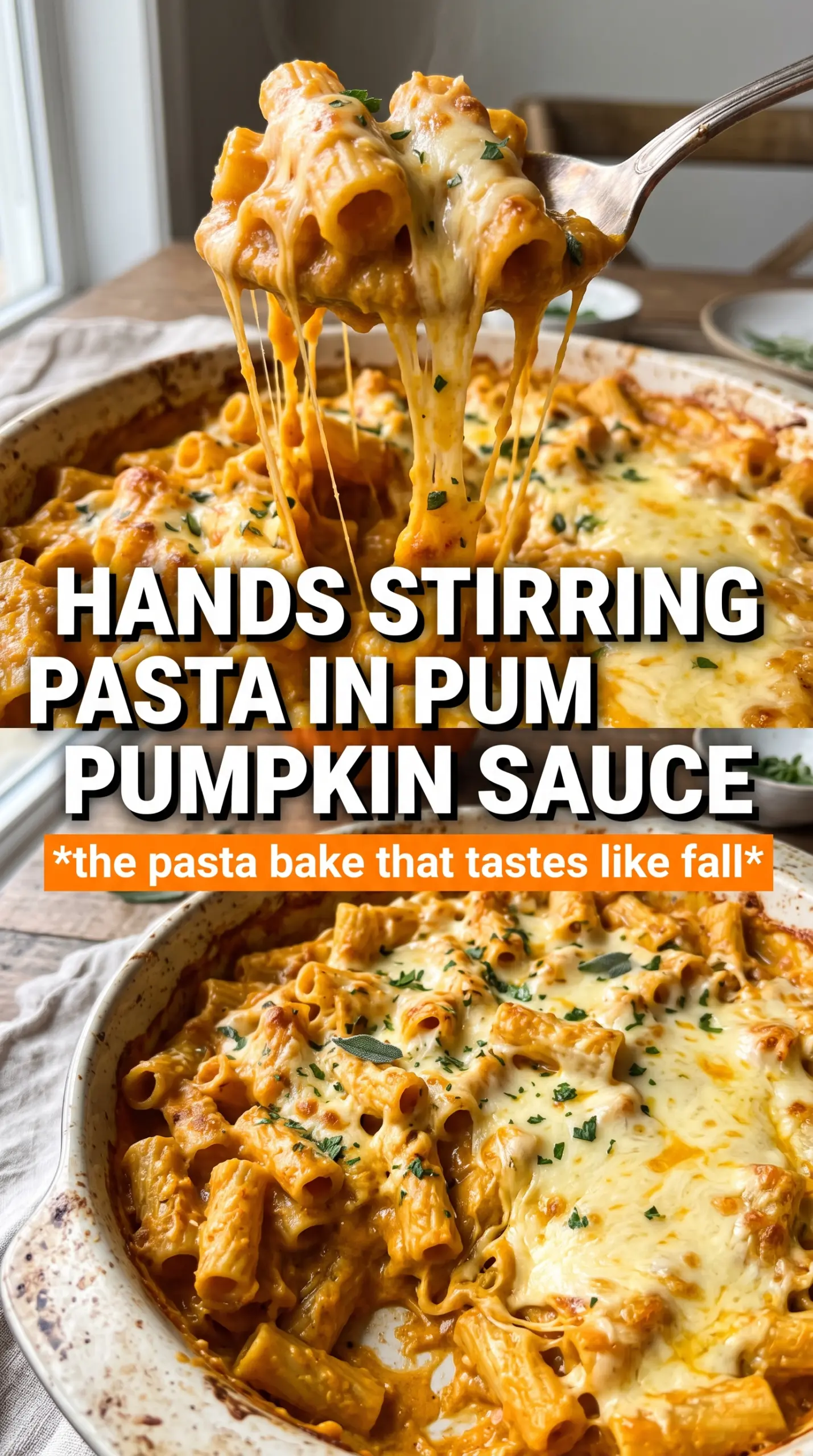
Cheesy pumpkin pasta bake earns its place in the rotation because the sauce clings to every piece of rigatoni and bakes into a bubbling, bronzed top that cracks just enough when you scoop through it. The pumpkin doesn’t read like pie filling here; it turns creamy and savory, with sausage and parmesan pushing the dish firmly into dinner territory. It’s hearty, a little smoky, and exactly the kind of pan that disappears fast at the table.
What makes this version work is restraint. The pumpkin puree gets simmered with cream and broth before it ever meets the pasta, which keeps the sauce silky instead of pasty. Cooking the pasta a couple minutes shy of al dente matters too, since it finishes in the oven and keeps its bite instead of turning soft under the cheese. The sausage brings salt and richness, while nutmeg and cayenne give the sauce enough depth to taste layered, not one-note.
Below you’ll find the timing that keeps the pasta from overcooking, the ingredient swaps that still hold the bake together, and a few practical ways to make the dish fit what you’ve got on hand.
The pumpkin sauce baked up creamy instead of thick and gluey, and the top got this perfect cheesy crust without drying out the pasta underneath. My husband went back for seconds before I even sat down.
Save this cheesy pumpkin pasta bake for the nights when you want a creamy baked pasta with a crisp, golden top.
The Trick to Keeping Pumpkin Sauce Creamy in the Oven
Pumpkin needs a little help if you want it to behave like a pasta sauce instead of a thick puree. The mistake most people make is treating it like a shortcut cream sauce and letting it go into the oven without enough liquid or enough seasoning. Here, the broth and cream loosen it into something that can coat the pasta, and the pasta water it picks up in the bake keeps the whole dish from drying out.
The other key is heat control. Once the cream goes in, the sauce should stay at a gentle simmer, not a hard boil. High heat can make dairy taste flat or separate slightly, especially once the cheese melts on top. You want a smooth sauce that looks glossy and lightly thickened before the pasta goes in.
- Rigatoni or ziti — Both shapes hold the sauce inside and around the edges. Long noodles won’t trap the filling the same way, and you lose some of that baked pasta bite.
- Italian sausage — This is the backbone of the dish. Mild sausage keeps it family-friendly, while hot sausage adds more edge. If you swap in turkey sausage, add a touch more olive oil because it won’t render as much fat.
- Pumpkin puree — Use plain pumpkin puree, not pumpkin pie filling. The canned puree gives body and a subtle sweetness that balances the sausage and parmesan without turning dessert-like.
- Heavy cream — This gives the sauce its plush texture. Half-and-half can work in a pinch, but the sauce will be thinner and more likely to bake up a little looser.
- Parmesan and mozzarella — Mozzarella gives the stretch and the golden lid, while parmesan sharpens the flavor. Pre-shredded mozzarella melts fine here, but freshly grated parmesan matters because it melts into the sauce and top cleanly.
What Each Ingredient Is Actually Doing in This Recipe
- Primary ingredient (the star) — Quality matters most. Choose the best you can find.
- Cooking medium (oil, butter, or broth) — This carries flavors and prevents dryness.
- Seasonings (salt, pepper, spices, herbs) — Layer flavors so nothing overpowers. Build depth gradually.
- Aromatics (garlic, onion, herbs) — Cook with fat to bloom flavors. Become the foundation.
- Supporting ingredients — Complement the main ingredient without overpowering it.
- Sauce or liquid (if applicable) — Brings flavors together. Balance richness with acid.
- Acid (lemon, vinegar, wine, or other) — Brightens and prevents flat-tasting results.
- Final finish (garnish, glaze, or sauce) — Prevents one-dimensional taste and adds visual appeal.
Building the Bake So the Pasta Stays Firm and the Top Turns Golden
Brown the sausage first
Cook the sausage until it loses its pink color and picks up browned bits on the bottom of the pan. That fond is part of the flavor base, so don’t rush to the next step too early. If there’s a lot of fat in the pan after browning, drain off the excess, but leave enough behind to cook the onion. Dry sausage or pale sausage will make the whole bake taste flatter.
Cook the onion and garlic gently
Add the onion and let it soften until translucent and sweet, not browned. Garlic only needs about a minute; if it starts to color deeply, it can turn bitter once baked. This step should smell savory and a little sweet, not sharp. If the pan looks dry after draining the sausage, add a small splash of oil so the aromatics don’t scorch.
Simmer the pumpkin sauce before it meets the pasta
Stir in the pumpkin, cream, broth, seasoning, nutmeg, and cayenne, then let the sauce bubble gently for about five minutes. It should look smooth and coat a spoon, but still slide easily. This short simmer gives the pumpkin time to lose that raw canned taste and lets the spices bloom. If the sauce gets too thick in the pan, loosen it with another splash of broth before adding the pasta.
Bake until bubbling at the edges
Toss in the cooked pasta, top with the cheeses, and bake until the center is hot and the edges are active and bubbling. The top should be deeply golden in spots, with melted cheese that has set into a proper crust. If the pasta was cooked all the way through on the stove, it can soften too much in the oven, so keep that two-minute head start in mind. A few minutes of resting after baking helps the sauce settle and makes serving cleaner.
How to Adapt This Pumpkin Pasta Bake Without Losing the Creamy Texture
Make it vegetarian
Skip the sausage and use a mix of sautéed mushrooms and spinach for a meatless version. You’ll lose some of the salty richness, so bump up the parmesan and add a little extra black pepper to keep the sauce from tasting soft.
Make it gluten-free
Use a sturdy gluten-free pasta shape and undercook it even a touch more than you would regular pasta. Gluten-free pasta can go soft fast in baked dishes, so pulling it early keeps it from breaking down in the oven.
Use turkey sausage instead
Turkey sausage works well if you want a lighter bake, but it needs help in the pan. Add a small drizzle of oil before browning, and taste the sauce carefully at the end since turkey sausage usually brings less salt and less fat than pork.
Storage and Reheating
- Refrigerator: Keeps for 4 days in a covered container. The pasta will absorb some sauce as it sits, so expect it to thicken.
- Freezer: Freezes well for up to 2 months, though the texture gets a little softer after thawing. Wrap it tightly or portion it into freezer containers for easier reheating.
- Reheating: Reheat covered in a 350F oven until hot, adding a splash of broth or cream if it looks dry. Microwaving works for single portions, but stop and stir halfway through so the cheese doesn’t turn rubbery at the edges.
Answers to the Questions Worth Asking
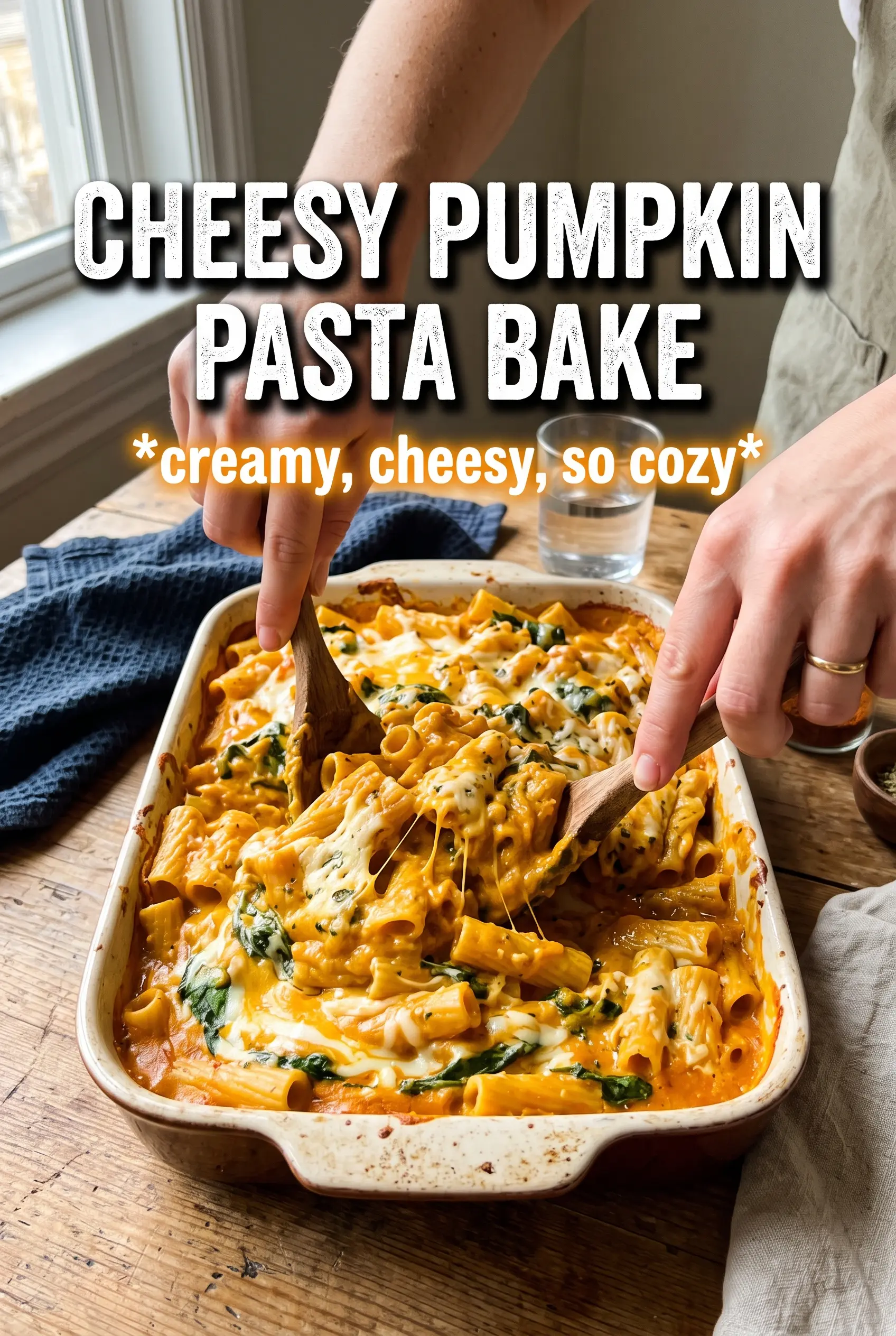
Cheesy Pumpkin Pasta Bake
Ingredients
Equipment
Method
- Preheat oven to 375°F. Cook rigatoni or ziti 2 minutes less than al dente, so it finishes baking and stays firm.
- Brown Italian sausage in a large oven-safe skillet, breaking it up until cooked through. Drain off the fat so the sauce stays creamy, not greasy.
- Add diced onion to the skillet and cook for 4 minutes until softened and lightly translucent. Keep stirring so it doesn’t brown too quickly.
- Add minced garlic and cook for 1 minute until fragrant. Stop as soon as it smells sweet and toasty.
- Stir in pumpkin puree, heavy cream, chicken broth, Italian seasoning, nutmeg, and cayenne. Use steady stirring until the mixture turns smooth and evenly orange.
- Simmer the sauce for 5 minutes, stirring occasionally, until it thickens slightly. Look for a glossy, spoon-coating texture.
- Season with salt and pepper to taste, then toss in the cooked pasta. Ensure every piece is coated with pumpkin cream sauce.
- Scatter shredded mozzarella and grated parmesan over the top in an even layer. Cover the surface so it forms a golden crust.
- Bake 25-30 minutes at 375°F until bubbling at the edges and golden on top. Garnish with fresh sage or basil while hot for a bright finish.