Golden layers, tender crumb, and pockets of cinnamon-kissed apple make this cake the kind you slice once and then keep going back to. The apples stay soft without disappearing, the spice stays warm instead of overpowering, and the cinnamon cream cheese frosting ties everything together with just enough tang to keep each bite from tasting heavy.
What makes this version work is the balance. Sour cream keeps the crumb plush, brown sugar brings a deeper caramel note, and the apples are diced fine enough to bake evenly without sinking through the batter. The spice mix is also measured with a little restraint, which matters more than people think in an apple cake; too much cinnamon and the fruit gets buried.
Below, I’ve included the small details that keep the layers even and the frosting smooth, plus a few ways to adapt the cake if you want to change the pan shape or make it ahead.
The cake layers baked up even and the apples stayed tucked into the crumb instead of sinking. I loved that the frosting had just enough cinnamon to match the cake without tasting too sweet.
Cinnamon Apple Cake with fluffy cream cheese frosting is the kind of layer cake worth pinning for birthdays, holidays, and any day that calls for soft apples and warm spice.
The Part That Keeps the Apple Layers From Sinking
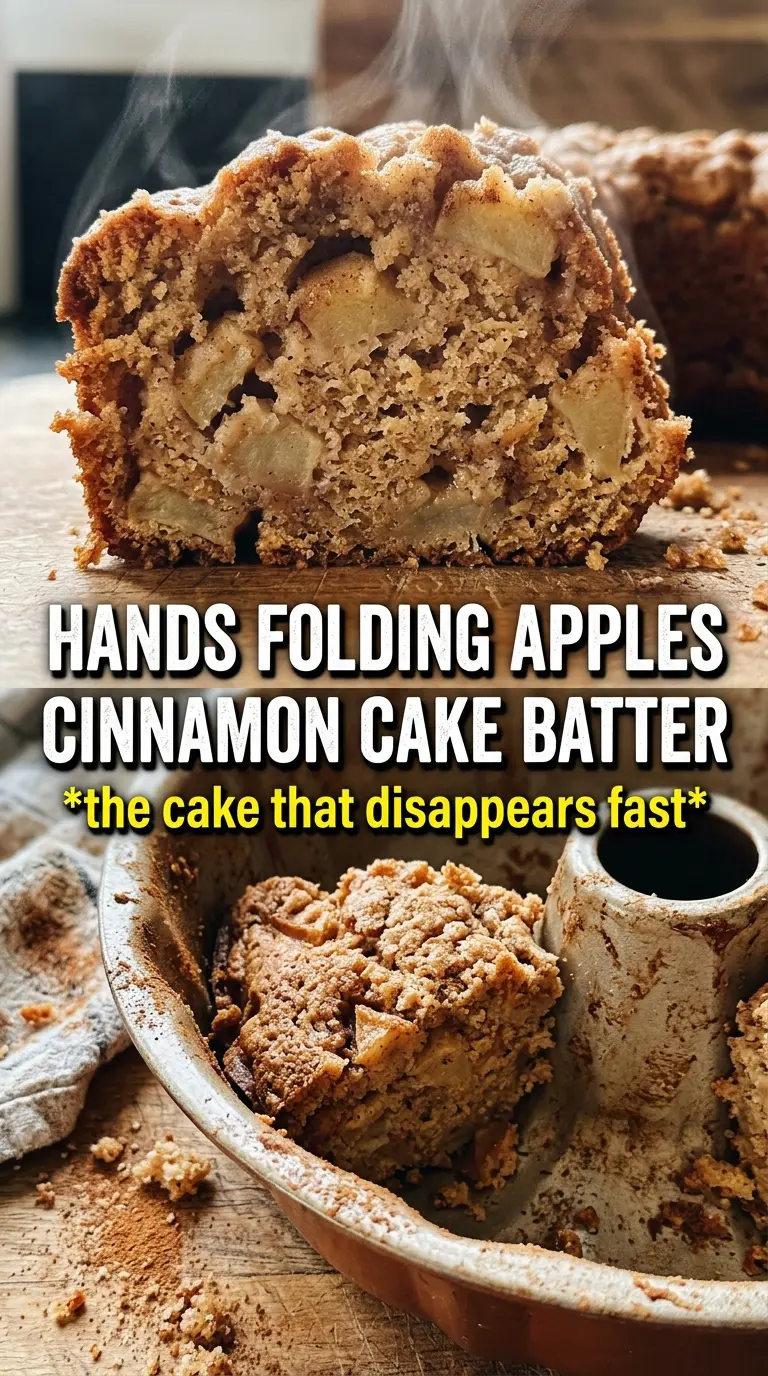
Finely diced apples are the difference between a cake that bakes evenly and one that turns dense near the bottom. Bigger chunks are heavier, so they drop before the batter sets. Small dice give you little bursts of fruit all through the crumb without dragging the structure down.
The other thing that matters here is the batter texture before the apples go in. It should look thick and smooth, not loose or glossy. If the batter is too thin, the apples will slide through it and settle in the pans, which is how you end up with a soggy bottom layer and a plain top.
- Brown sugar — It adds moisture and a deeper flavor that white sugar can’t match here. Packed brown sugar gives the cake a softer, richer crumb.
- Sour cream — This is what keeps the cake tender. Full-fat sour cream works best, but plain Greek yogurt will also do the job if that’s what you have.
- Apples — Use a firm baking apple that holds its shape, like Granny Smith, Honeycrisp, or Braeburn. Soft apples can turn mushy and disappear into the cake.
- Cinnamon cream cheese frosting — The tang from the cream cheese keeps the cake from feeling heavy. Don’t replace all of it with butter unless you want a sweeter, flatter frosting.
What Each Ingredient Is Actually Doing in This Recipe
- Primary ingredient (the star) — Quality matters most. Choose the best you can find.
- Cooking medium (oil, butter, or broth) — This carries flavors and prevents dryness.
- Seasonings (salt, pepper, spices, herbs) — Layer flavors so nothing overpowers. Build depth gradually.
- Aromatics (garlic, onion, herbs) — Cook with fat to bloom flavors. Become the foundation.
- Supporting ingredients — Complement the main ingredient without overpowering it.
- Sauce or liquid (if applicable) — Brings flavors together. Balance richness with acid.
- Acid (lemon, vinegar, wine, or other) — Brightens and prevents flat-tasting results.
- Final finish (garnish, glaze, or sauce) — Prevents one-dimensional taste and adds visual appeal.
Building the Batter So the Cake Stays Tender
Whisk the dry ingredients first so the spices are evenly dispersed. If the cinnamon and nutmeg clump in one spot, you’ll get pockets of strong spice and other bites that taste plain. Beat the butter and brown sugar until it looks pale and fluffy; that step traps air and gives the cake a lighter crumb.
Mixing the Base
Start with softened butter, not melted butter. You want the mixture to look fluffy and a little lighter in color before the eggs go in. Add the eggs one at a time so the batter stays smooth; if you dump them in all at once, the mixture can look curdled and won’t emulsify as evenly.
Adding the Flour and Sour Cream
Alternate the flour mixture with the sour cream, beginning and ending with the flour. That keeps the batter from tightening up and helps everything mix evenly without overworking the gluten. Stop as soon as the flour disappears, because overmixing is what gives you a tough, bready cake instead of a tender one.
Folding in the Apples
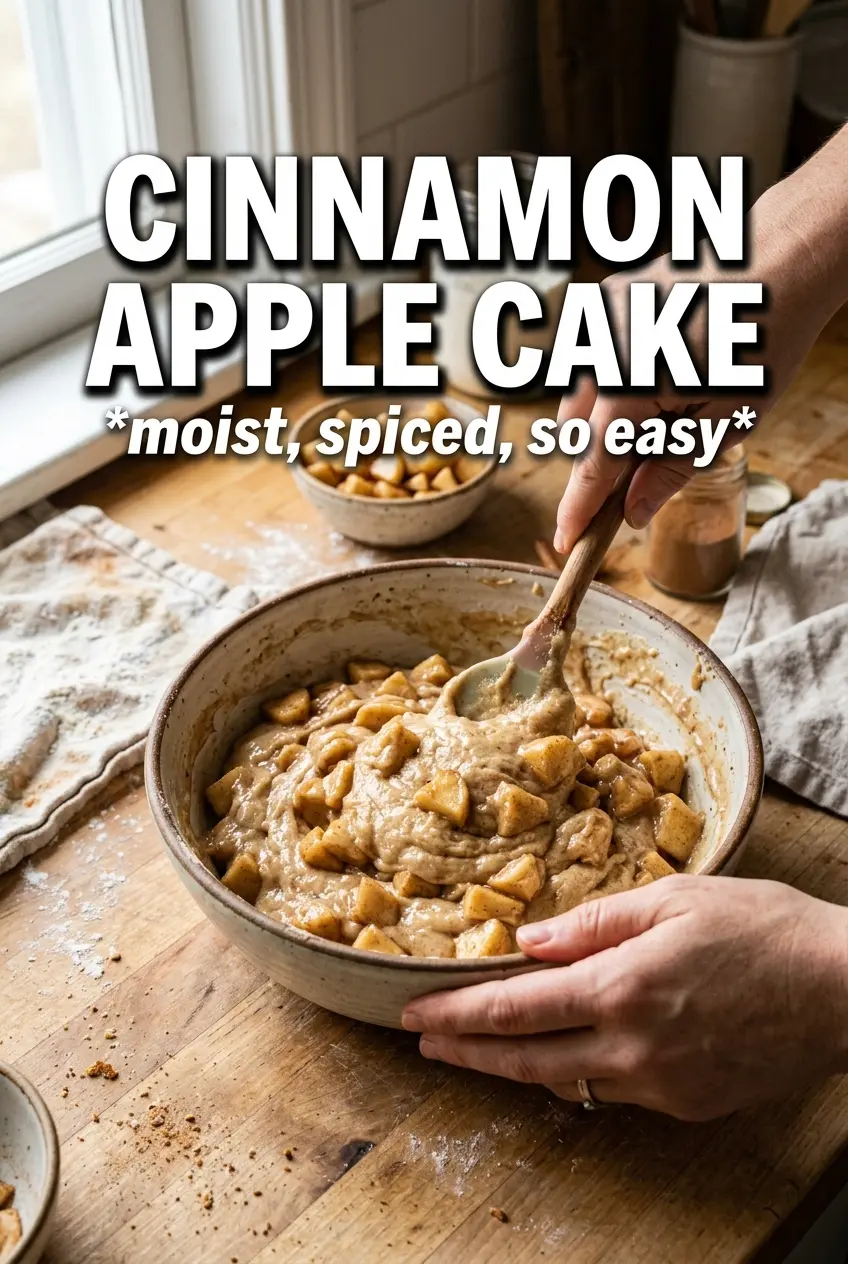
Fold the diced apples in by hand so they stay intact and distribute evenly. The batter will look thick and loaded, which is exactly what you want. Divide it between the pans and level the tops with a spatula so both layers bake at the same rate.
Baking Until the Center Springs Back
Bake until a toothpick comes out clean from the center and the top springs back when you touch it lightly. If the edges are pulling away but the middle still looks wet, give it a few more minutes. Let the cakes cool completely before frosting, or the cream cheese frosting will slide right off and turn soft.
Make It Gluten-Free
A good 1:1 gluten-free baking blend works here, especially one that already includes xanthan gum. The cake will still be moist, but it may be a little more delicate when you slice it, so cool it fully before you move it.
Use Pears Instead of Apples
Firm pears can stand in for the apples if that’s what you have. The cake will be a little softer and more fragrant, but keep the dice small so the fruit doesn’t turn mushy during baking.
Make a Sheet Cake Instead
Bake the batter in a greased 9×13-inch pan for a more casual dessert. The bake time will be shorter, and the cake will have less height, but you’ll still get the same soft crumb and cinnamon frosting on top.
Storage and Reheating
- Refrigerator: Store covered for 4 days. The frosting will firm up, and the apple crumb stays moist.
- Freezer: Freeze unfrosted layers tightly wrapped for up to 2 months. Thaw at room temperature before frosting.
- Reheating: Let slices sit at room temperature for 20 to 30 minutes before serving. If you warm frosted cake, use the gentlest heat possible or the frosting will soften and slide.
Questions I Get Asked About This Cake
Cinnamon Apple Cake
Ingredients
Equipment
Method
- Preheat the oven to 350F and grease two 9-inch round cake pans for easy release.
- Check that the pans are evenly greased and ready by lining them with a light coating if needed.
- Whisk together all-purpose flour, baking powder, baking soda, cinnamon, nutmeg, allspice, and salt until evenly combined.
- Beat the softened unsalted butter and packed brown sugar until very fluffy.
- Add eggs one at a time, beating well after each addition, then mix in vanilla extract.
- Alternate adding the flour mixture and sour cream, starting and ending with the flour mixture, and mix just until combined.
- Fold in the diced apples until evenly distributed.
- Divide the batter evenly between the two prepared pans.
- Bake at 350F for 50-55 minutes until a toothpick comes out clean.
- Cool the cake layers completely before frosting to prevent the frosting from melting.
- Beat the cinnamon cream cheese frosting ingredients until fluffy, then frost between the layers and all over the top.