Cinnamon roll cookies bake up with the same cozy swirl and buttery sweetness you expect from the classic pastry, but in a form that chills, slices, and bakes without any yeast or rolling-out drama. The centers stay soft, the edges turn lightly crisp, and the cream cheese glaze melts into the spirals just enough to make every bite taste finished.
What makes this version work is the dough structure. A simple butter cookie base gets firm enough to slice cleanly after chilling, while the cinnamon filling stays thick and spreadable instead of leaking out in the oven. That short rest in the fridge is what keeps the spirals sharp and gives you those clean little pinwheels instead of blurry, flattened cookies.
Below, I’ve included the one step that matters most for keeping the swirl intact, plus a few smart swaps if you want to change the glaze or make the cookies ahead. Once you’ve made them once, the process feels much easier than it looks.
The dough sliced cleanly after chilling, and the cinnamon swirl held its shape instead of smearing in the oven. I added the glaze while the cookies were still warm and it settled right into the spirals.
Cinnamon Roll Cookies with that clean swirl and cream cheese glaze are perfect for the cookie tray and coffee break alike.
The Chill Time Is What Keeps the Swirl Sharp
The biggest mistake with slice-and-bake cookies is cutting into dough that still feels soft in the center. When that happens, the spiral compresses, the filling squishes out, and the cookies bake up lopsided instead of neat. Chilling the logs for a full hour firms the butter enough to give you clean rounds that hold their shape in the oven.
Roll the dough evenly and keep the rectangle close to 10×8 inches so the log stays balanced when you roll it up. If one end is thicker than the other, that side will flatten first and you lose that tidy cinnamon-roll look. Tight rolling matters here too; loose spirals leave gaps, and gaps open up while baking.
- Butter temperature — Softened butter should press easily but not look greasy. If it’s too warm, the dough gets sticky and the cookies spread.
- Cinnamon filling — Packed brown sugar and softened butter make a spreadable paste that stays where you put it. Granulated sugar won’t give the same thick swirl.
- Chilling — One hour is the minimum for clean slicing. If your kitchen is warm, give the logs a little longer.
What Each Ingredient Is Doing in the Dough, Filling, and Glaze

- All-purpose flour — Gives the cookies enough structure to slice cleanly and hold the spiral. Bread flour would make them tougher; cake flour makes them too fragile.
- Brown sugar — This is what gives the filling its gooey, caramel-like center. Light or dark both work, but dark brown sugar brings a deeper molasses note.
- Cream cheese — Use full-fat cream cheese for the glaze if you want that tangy, thick finish. Lower-fat versions can turn loose and a little runny.
- Vanilla — Used in both the dough and glaze, it ties the whole cookie together. It doesn’t need to be fancy, but it should taste clean and not overly sharp.
Rolling, Chilling, and Baking the Cookies Without Losing the Spiral
Building the Dough
Beat the butter and sugar until the mixture looks pale and fluffy before you add the egg and vanilla. That air gives the cookies a lighter bite instead of a dense, sandy texture. Once the flour goes in, stop mixing as soon as the dough comes together; overworking it makes the logs harder to roll and the baked cookies a little tough.
Spreading the Filling
Divide the dough in half and roll each piece between sheets of parchment so the surface stays smooth and even. Spread the softened butter first, then the brown sugar and cinnamon, all the way to the edges. If the filling looks dry or crumbly, it won’t adhere when you roll the log and the spiral can break apart.
Slicing and Baking
Wrap the logs in parchment and chill them until they feel firm all the way through. Use a sharp knife to slice 1/2-inch rounds, and wipe the blade between cuts if the filling starts sticking. Bake just until the edges turn lightly golden and the centers still look a touch soft; if you wait for full browning, the cookies lose that soft middle that makes them taste like cinnamon rolls.
Finishing With Glaze
Stir the cream cheese glaze until smooth and drizzle it over the cookies while they’re still warm. Warm cookies help the glaze melt into the ridges without disappearing completely. If the glaze is too thick, add milk a teaspoon at a time; if it’s too thin, give it a minute to sit and it will thicken on its own.
How to Adapt These Cinnamon Roll Cookies Without Losing the Swirl
Make Them Dairy-Free
Use a plant-based butter that performs like real butter in baking and swap in a dairy-free cream cheese for the glaze. The cookies will still slice well, but the glaze may need a little less milk because some dairy-free versions start out softer.
Skip the Glaze for a Less Sweet Cookie
Leave off the cream cheese glaze and finish the baked cookies with a light dusting of powdered sugar instead. You’ll get a drier, more biscuit-like cookie with a stronger cinnamon finish and less of the classic bakery-style richness.
Freeze the Logs for Later
Shape and chill the logs, then freeze them tightly wrapped. Slice them straight from the freezer after a few minutes at room temperature, and add a minute or two to the bake time if needed. This works well because the spiral stays intact and you can bake just a few cookies at a time.
Storage and Reheating
- Refrigerator: Store baked cookies in an airtight container for 4 days. The swirl stays good, though the glaze will soften the top layer a bit.
- Freezer: Freeze unglazed baked cookies for up to 2 months. Layer with parchment so the glaze doesn’t stick and smudge.
- Reheating: Warm a cookie in the microwave for 8 to 10 seconds, just until the center loosens. Too much heat melts the glaze and turns the texture greasy.
Questions I Get Asked About This Recipe
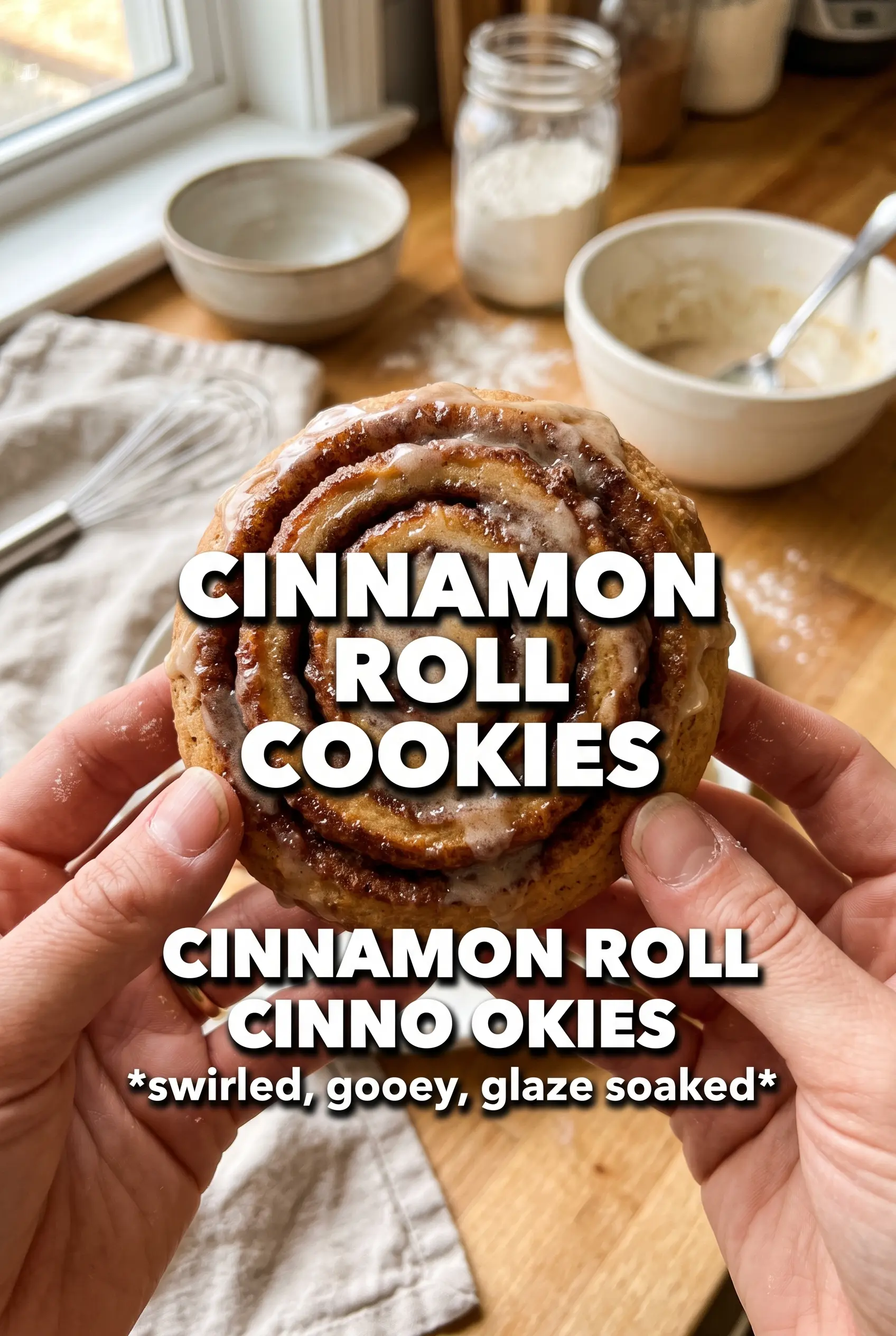
Cinnamon Roll Cookies
Ingredients
Equipment
Method
- Beat the softened unsalted butter and granulated sugar until fluffy, light in color, and well combined. Scrape down the sides so no dry sugar remains.
- Beat in the egg and vanilla extract until the mixture looks smooth and uniform. The batter should be glossy and cohesive.
- Fold in the all-purpose flour, baking powder, and salt until a soft dough forms. Stop mixing as soon as you no longer see dry flour.
- Divide the dough in half so you can roll two logs with an even cinnamon swirl. Press each half into a rough rectangle for easier rolling.
- Roll each dough half into a 10x8 rectangle on parchment. Keep the thickness even so the spiral slices bake uniformly.
- Spread the softened unsalted butter over each rectangle, leaving a small border around the edges. Use an even layer so every bite gets filling.
- Sprinkle the brown sugar (packed) and cinnamon over the butter layer. Lightly press so the cinnamon-brown sugar adheres to the dough.
- Roll tightly from the long side to form a log. For visible swirls, keep the roll tight and snug with no gaps.
- Wrap each log in parchment and refrigerate for 1 hour. Chill until firm enough to slice cleanly.
- Preheat the oven to 350°F. Line a sheet pan with parchment or keep it ready for the sliced cookies.
- Slice the chilled logs into 1/2-inch rounds. Keep the cut edges exposed to the bake surface for crisping at the rims.
- Bake for 10-12 minutes until the edges are just golden. The centers should look set while staying soft.
- Mix the cream cheese glaze until smooth, then drizzle over the warm cookies. Glaze should melt slightly and settle into the spiral tops.