Cinnamon swirl quick bread bakes into a soft, tender loaf with a ribbon of brown sugar and spice running through the center and just enough vanilla glaze on top to pull everything together. The crumb stays moist for days, and the swirl gives you those caramelized pockets that taste like the best part of a coffee cake without the extra fuss.
What makes this version work is the sour cream. It keeps the loaf rich and plush while giving the batter enough body to hold the swirl instead of letting it sink or blur into the crumb. The other detail that matters is the layering: half the batter first, then the cinnamon mixture, then the rest of the batter. That gives you a defined spiral instead of a muddy streak.
Below, I’ll show you how to keep the swirl visible, how to know when the loaf is baked through, and how to tweak it if you want a sharper cinnamon bite or a slightly richer glaze.
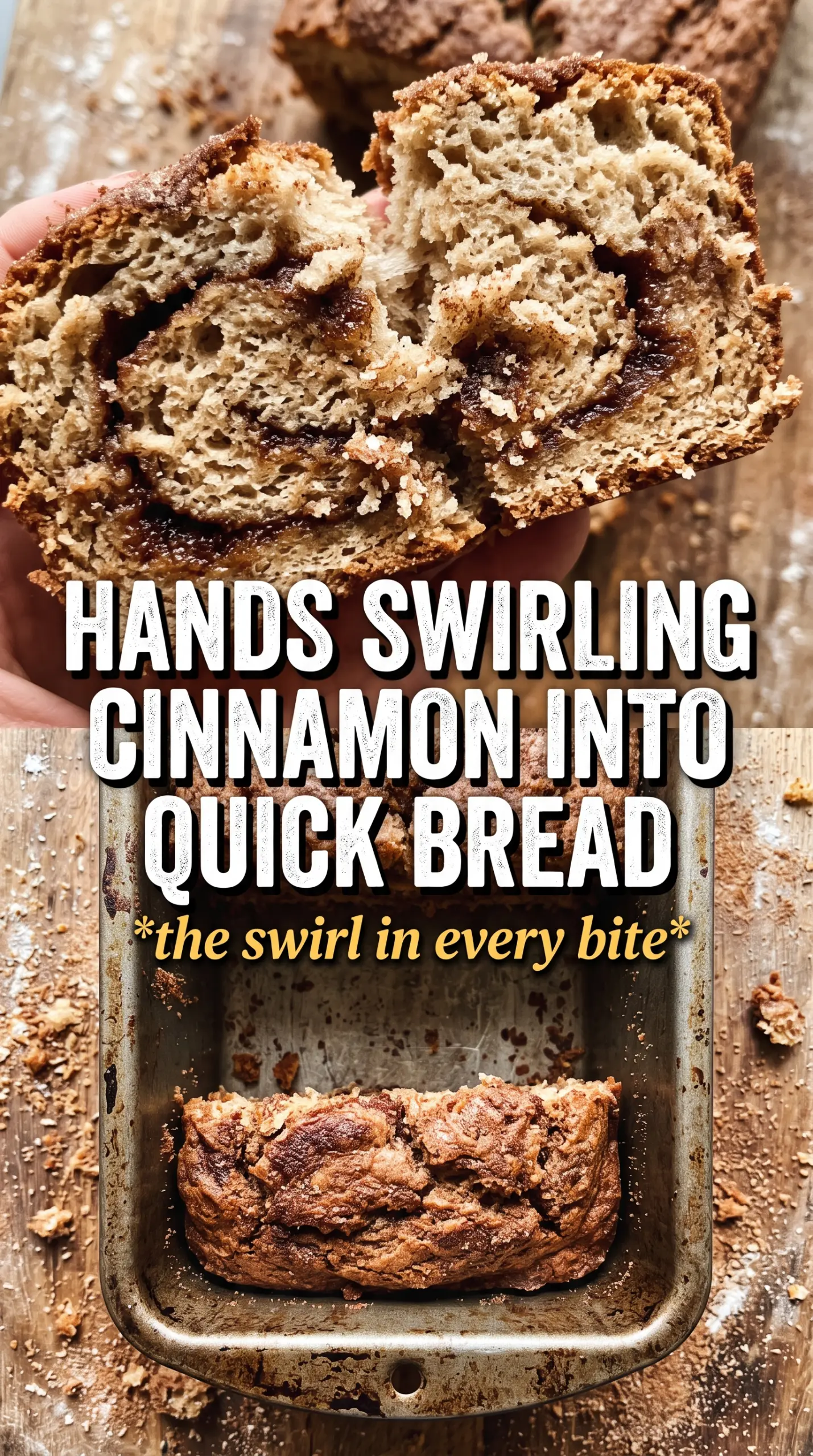
The swirl stayed distinct all the way through, and the loaf sliced cleanly once it cooled. I was worried the cinnamon sugar would sink, but it baked into these perfect ribbons and the glaze soaked in just enough.
Save this cinnamon swirl quick bread for a loaf with a bold brown sugar spiral and a soft sour cream crumb.
The Spot Where Most Cinnamon Swirls Blur Into the Bread
The swirl is the part that looks simple and causes the most trouble. If the cinnamon sugar gets mixed too deeply into the batter, you lose the spiral and end up with a loaf that tastes fine but looks flat. If it sits too close to the top, it can leak into the pan and leave a gap through the center. The sweet spot is a light swirl through the middle layer only, just enough to create a ribbon without turning the batter into a marbled mess.
The batter itself needs a little structure before the swirl goes in. This loaf uses sour cream and a standard quick-bread leavening mix, which gives you a dense-enough batter to hold the filling in place. That matters because a loose batter lets the cinnamon mixture sink before the oven sets the loaf. A thicker batter gives you cleaner layers and a prettier slice.
What Each Ingredient Is Actually Doing in This Loaf
- All-purpose flour — Gives the loaf enough structure to rise without turning cakey. Bread flour is too strong here and can make the crumb chewy instead of soft.
- Sour cream — This is the moisture anchor. It keeps the bread tender and helps the batter stay thick enough to support the swirl. Full-fat yogurt works in a pinch, but the loaf will taste a little tangier and slightly less rich.
- Butter and sugar — Creaming these until fluffy traps air, which gives the loaf lift before the baking soda and powder take over. Don’t rush this step or the bread can bake up tight.
- Brown sugar and cinnamon swirl — Brown sugar melts into a caramel-like ribbon, while cinnamon keeps the flavor sharp. Melted butter helps the mixture spread instead of clumping into dry pockets.
- Powdered sugar glaze — The glaze softens the spice and gives you that bakery finish. Add the milk slowly so it stays drizzleable and doesn’t run off the loaf.
Building the Swirl Without Collapsing the Loaf
Cream the Base Until It Looks Light
Beat the softened butter and granulated sugar until the mixture looks pale and fluffy, not just combined. That step gives the loaf its lift and keeps the crumb from turning heavy. If the butter is too cold, the sugar won’t cut into it properly and the batter will stay grainy. Once the eggs, vanilla, and sour cream go in, the batter may look slightly curdled; that’s normal and it smooths out once the flour is added.
Layer the Batter and Filling in the Pan
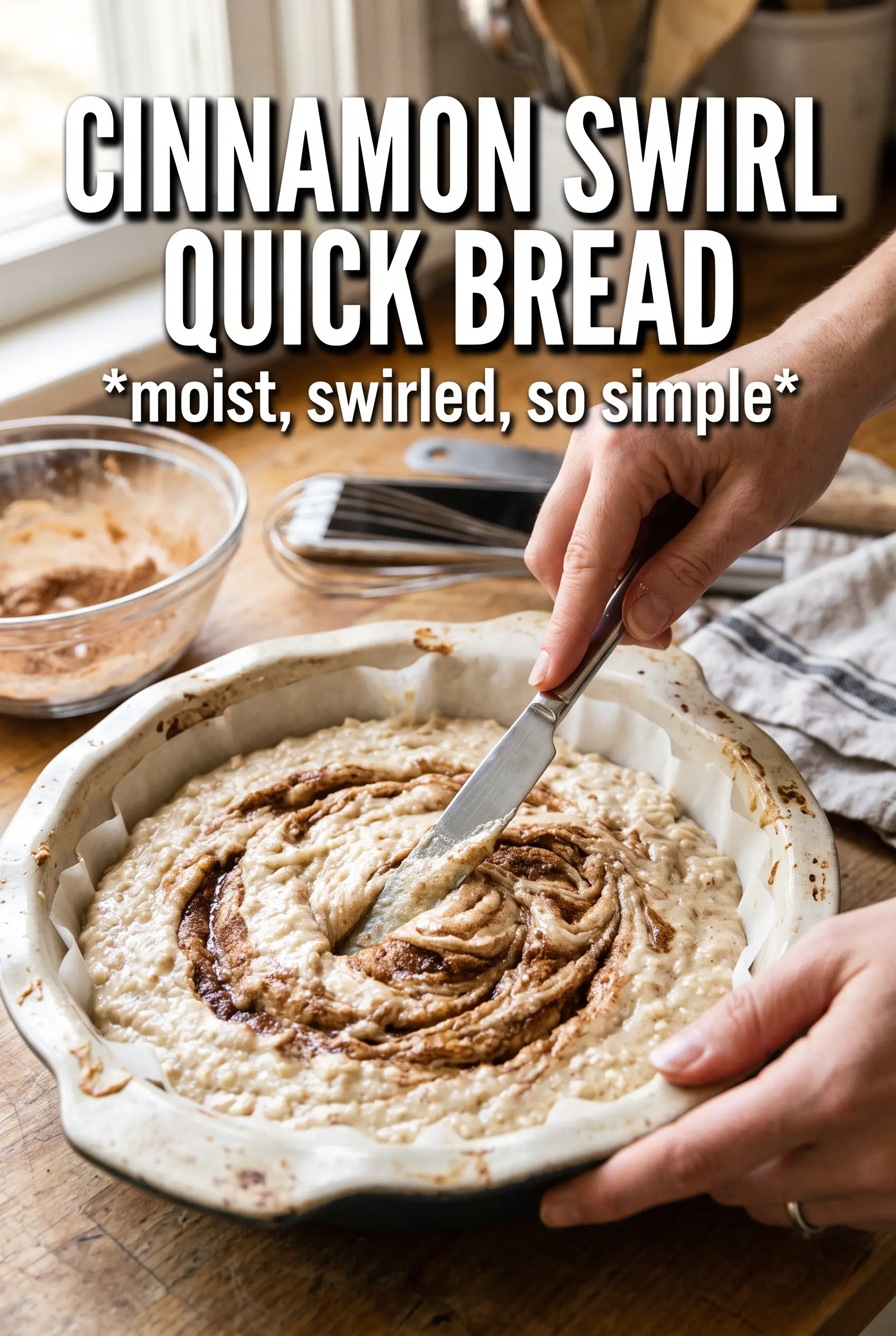
Spread half the batter into the greased loaf pan and nudge it into the corners so the swirl has a level base. Spoon the cinnamon mixture over that first layer, then cover it with the remaining batter in small dollops instead of one big dump. That keeps the swirl from tearing through the middle and makes it easier to distribute the top layer without overmixing.
Swirl Only Once or Twice
Drag a knife through the batter once down the center and once across it, then stop. Too much swirling blends the filling into the loaf and you lose the defined ribbon. You want a few bold figure-eight turns, not a fully marbled batter. If the top looks streaked but not muddy, you’ve gone far enough.
Bake Until the Center Stops Shaking
Bake the loaf until the top is deep golden and a toothpick comes out with a few moist crumbs, not wet batter. The middle should feel set when you press it gently, though a small crack down the center is normal and usually means the loaf has risen properly. If the top browns too fast before the center is done, lay a piece of foil loosely over it for the last 15 minutes.
Glaze After the Loaf Cools Slightly
Let the bread cool for at least 15 to 20 minutes before drizzling the glaze. If you glaze it while it’s piping hot, the sugar melts straight off and you lose that pretty finish. A slightly warm loaf gives you the best of both worlds: the glaze settles into the top without disappearing.
Three Ways to Adjust This Loaf Without Losing the Swirl
Make it dairy-free
Use plant-based butter and a thick dairy-free yogurt in place of the sour cream. The loaf will still be tender, but it won’t have quite the same richness, so don’t skip the glaze — it helps replace some of that roundness on the finish.
Turn up the cinnamon
Add another 1/2 teaspoon of cinnamon to the swirl if you want a stronger spice note. I wouldn’t add it to the batter itself unless you want the whole loaf to taste more like cinnamon cake than a swirl bread.
Skip the glaze for a less sweet breakfast loaf
Leave off the glaze and the loaf becomes more breakfast-friendly, with the brown sugar swirl doing most of the sweetening. The bread still tastes finished, but the top stays a little more rustic and the cinnamon stands out more clearly.
Use Greek yogurt instead of sour cream
Plain full-fat Greek yogurt works well if that’s what you have. The crumb will be a little tighter and the tang will be a touch sharper, but the loaf still bakes up moist and slices cleanly once cooled.
Storage and Reheating
- Refrigerator: Store wrapped or in an airtight container for up to 5 days. The crumb stays moist, though the glaze will soften a bit.
- Freezer: This bread freezes well. Wrap the cooled loaf or individual slices tightly in plastic wrap and freeze for up to 2 months. Thaw at room temperature before warming.
- Reheating: Warm slices in the microwave for 10 to 15 seconds or in a low oven until just heated through. Don’t overheat it or the crumb turns dry and the swirl can get sticky.