Coffee cinnamon rolls come out with a soft, tender crumb, a deep brown sugar swirl, and just enough espresso in the dough and glaze to make every bite taste grown-up without tipping into bitter. The coffee doesn’t shout here. It rounds out the sweetness, gives the rolls a darker color, and makes the filling taste richer than a standard cinnamon roll filling ever does.
What makes this version work is that the coffee shows up in three places: the dough, the filling, and the glaze. That layered approach keeps the flavor balanced instead of one-note. Strong coffee and espresso powder do the heavy lifting, while butter, eggs, and cream cheese keep everything soft and plush. If you’ve ever baked cinnamon rolls that tasted flat in the center or lost their swirl in the oven, this method fixes both problems.
Below, I’ll walk through the part that matters most: how to get the dough supple, how to roll it tightly enough that the spirals stay defined, and how to glaze the rolls while they’re still warm so the coffee icing melts into the cracks.
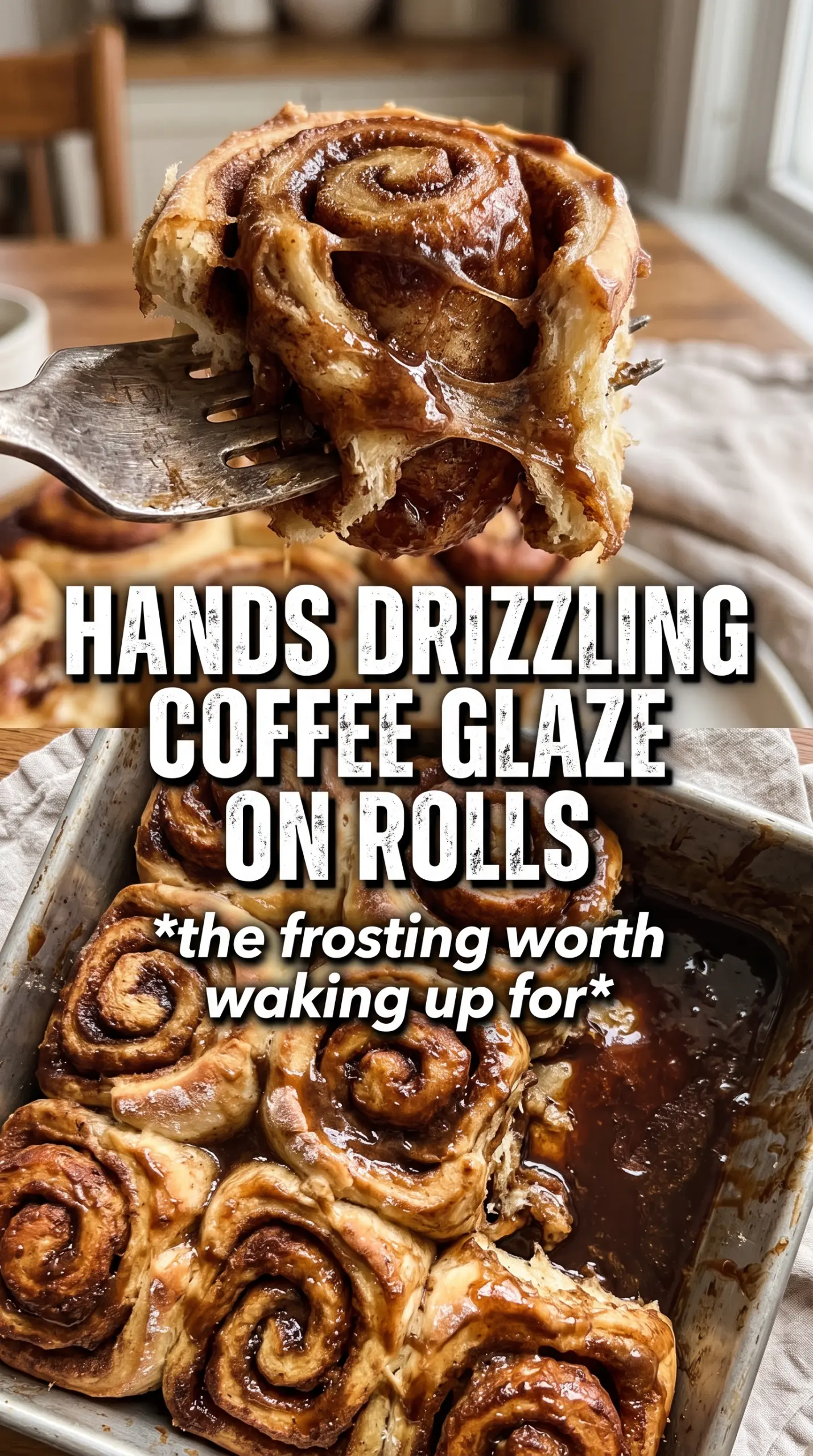
The coffee flavor came through in the dough without being bitter, and the glaze set into the swirls instead of sliding off. I baked them in a white dish and they looked just like the photo.
Save these coffee cinnamon rolls for a morning when you want soft spirals, espresso glaze, and a bakery-style pan of rolls without leaving home.
The Coffee-in-the-Dough Trick That Keeps These Rolls from Tasting Bitter
The easiest way to ruin coffee cinnamon rolls is by treating the coffee like a flavor extract instead of part of the dough liquid. Too much concentrated coffee or too much espresso powder can turn the rolls harsh, especially after baking when the sweetness settles down. Here, the coffee is strong enough to read clearly, but the sugar, butter, eggs, and cream cheese glaze keep it smooth and round.
Warm coffee matters here because it wakes up the yeast without cooking it. If the coffee is hot, the yeast can struggle; if it’s cold, the dough takes longer to rise and can feel dense. Espresso powder belongs in both the dough and filling because it deepens the coffee note without watering anything down. That’s the difference between rolls that taste like cinnamon buns with coffee on the side and rolls that actually taste like coffee cinnamon rolls.
What Each Ingredient Is Actually Doing in These Rolls
- Strong coffee — This is the base flavor and the liquid that starts the dough. Brew it strong enough that it still tastes like coffee after the flour goes in. If yours is weak, reduce it a little on the stove before using it.
- Espresso powder — This gives the rolls a sharper coffee edge than brewed coffee alone. It’s worth buying if you bake with coffee flavors often. Instant coffee can work in a pinch, but the flavor is less clean.
- Butter — Melted butter goes into the dough for richness, and softened butter in the filling helps the cinnamon-sugar paste spread without tearing the dough. Cold butter in the filling fights you when you’re rolling.
- Brown sugar — This melts into a sticky ribbon and helps the centers stay soft. Light or dark brown sugar both work, but dark brown sugar gives you a deeper molasses note that plays well with coffee.
- Cream cheese — The glaze needs it for tang and body. Without it, the glaze tastes thin and sugary instead of like the finishing touch these rolls need.
Getting the Spiral Tight Without Squishing the Filling Out
Building the Dough
Start by blooming the yeast in warm coffee with the sugar, then mix in the butter, eggs, and vanilla. You want the mixture to look smooth and a little foamy before the flour goes in. Add the flour, espresso powder, and salt, then knead until the dough feels elastic and only slightly tacky, about 8 minutes by hand or mixer. If it sticks hard to the bowl or your fingers, keep kneading before adding more flour; too much flour is what makes cinnamon rolls dry.
Rolling and Filling
Roll the dough into a rectangle that’s even in thickness from edge to edge. Spread the softened butter all the way to the sides, then sprinkle on the brown sugar, cinnamon, and espresso powder so every bite has filling. Roll it up snugly, but don’t stretch the dough so hard that the seam pulls open. If the log feels soft and hard to cut, chill it for 10 minutes first; that keeps the spirals from getting smashed when you slice the rolls.
Proofing and Baking
Let the cut rolls rise until they look puffy and are touching each other in the pan. That final rise is what gives you those soft edges and keeps the centers from baking up tight. Bake at 375°F until the tops are deep golden and the middle rolls no longer look doughy in the center, about 22 to 25 minutes. If the tops brown too fast, cover the pan loosely with foil for the last few minutes instead of lowering the oven too much.
Finishing with the Glaze
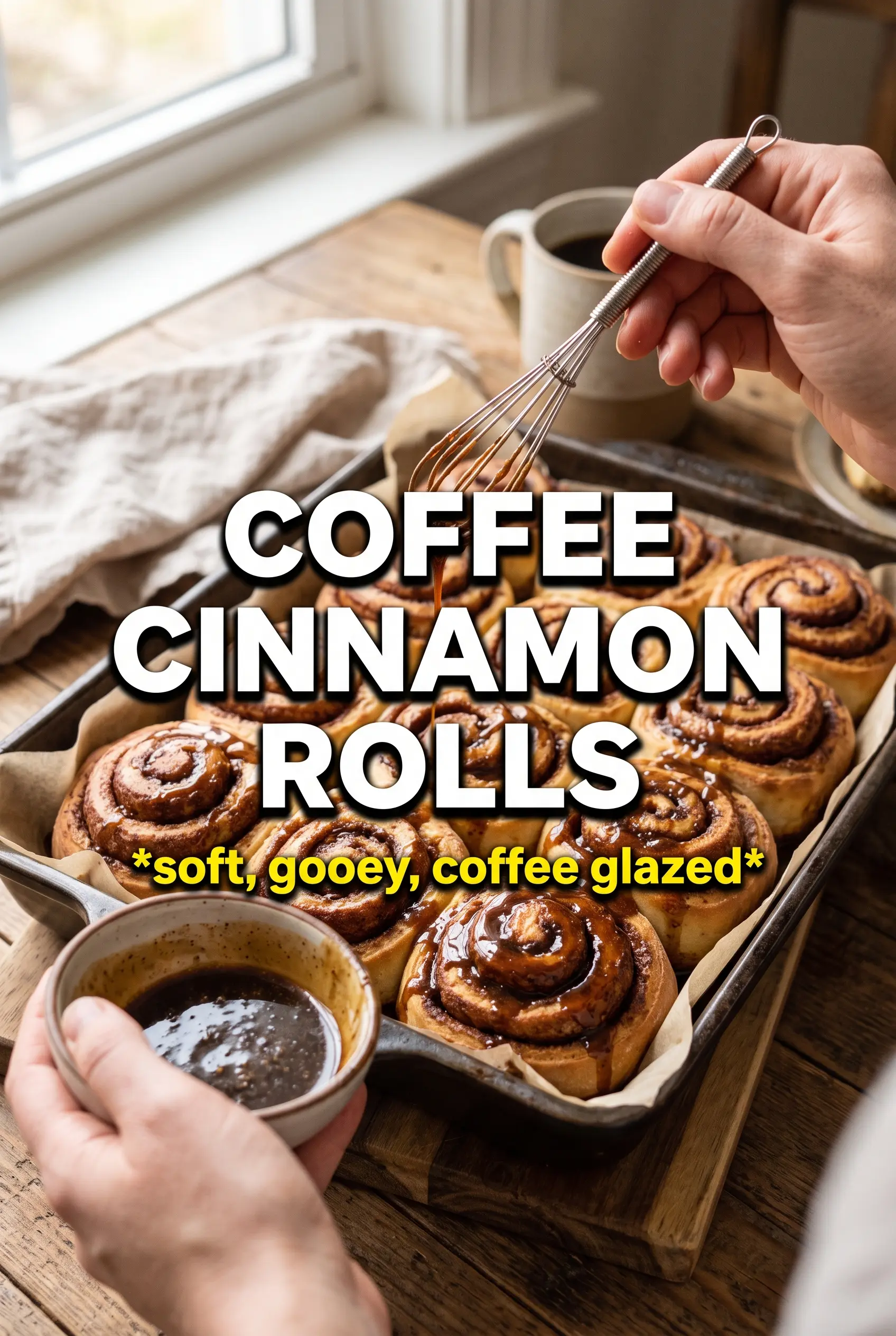
Beat the cream cheese, powdered sugar, coffee, and vanilla until smooth, then drizzle it over the rolls while they’re still warm. Warm rolls help the glaze melt into the spirals instead of sitting on top like frosting. Dusting with espresso powder at the end gives the whole pan a fresh coffee smell right when it hits the table. If your glaze seems too thick, add a teaspoon more coffee at a time; if it turns thin, it will disappear into the rolls instead of clinging to them.
How to Make These Rolls Fit Your Morning Routine
Dairy-Free Version
Use a plant-based butter for both the dough and filling, then swap the cream cheese for a dairy-free cream cheese that actually melts smoothly. The rolls will still be soft, but the glaze may be a little less tangy and a little sweeter, so taste it before adding the full amount of powdered sugar.
Make-Ahead Overnight Rise
After cutting the rolls and placing them in the pan, cover them tightly and refrigerate overnight. In the morning, let them sit at room temperature until they look puffy, then bake as directed. This keeps the coffee flavor intact and gives you fresher rolls than trying to bake them all in one rushed stretch.
Lighter Coffee Flavor
If you want the rolls to read more like classic cinnamon rolls with a coffee accent, cut the espresso powder in the dough and filling in half. Keep the glaze as written so the coffee still shows up at the end. That gives you a softer, more familiar cinnamon roll with a clear coffee finish instead of a full espresso-forward bite.
Storage and Reheating
- Refrigerator: Store covered for up to 4 days. The rolls stay soft, though the glaze will firm up a bit in the fridge.
- Freezer: Freeze baked rolls without glaze for up to 2 months. Wrap them well and thaw overnight in the refrigerator before reheating and glazing.
- Reheating: Warm individual rolls in the microwave for 20 to 30 seconds or cover the pan and heat in a 300°F oven until soft. Don’t blast them at high heat or the edges dry out before the center loosens.
Answers to the Questions Worth Asking
Coffee Cinnamon Rolls
Ingredients
Equipment
Method
- In a bowl, combine warm strong coffee with yeast and sugar, then add melted butter, eggs, and vanilla until smooth.
- Add flour, espresso powder, and salt and knead until smooth and elastic, about 8 minutes, then shape into a ball.
- Cover and let the dough rise until doubled, about 1 hour at room temperature, until it looks puffy and aerated.
- Roll the dough into a rectangle and spread softened butter evenly over the surface.
- Sprinkle brown sugar, cinnamon, and espresso powder over the butter, leaving a thin, even layer.
- Roll the dough tightly into a log, then cut into 12 rolls.
- Place rolls on a sheet pan and cover, letting them rise until puffed, about 45 minutes, until nearly touching.
- Bake at 375F for 22 to 25 minutes, until the tops are golden and the centers look set.
- Beat cream cheese, powdered sugar, strong coffee, and vanilla until smooth, thick, and drizzleable.
- Drizzle the glaze over warm rolls and dust with espresso powder for a dark speckled finish.