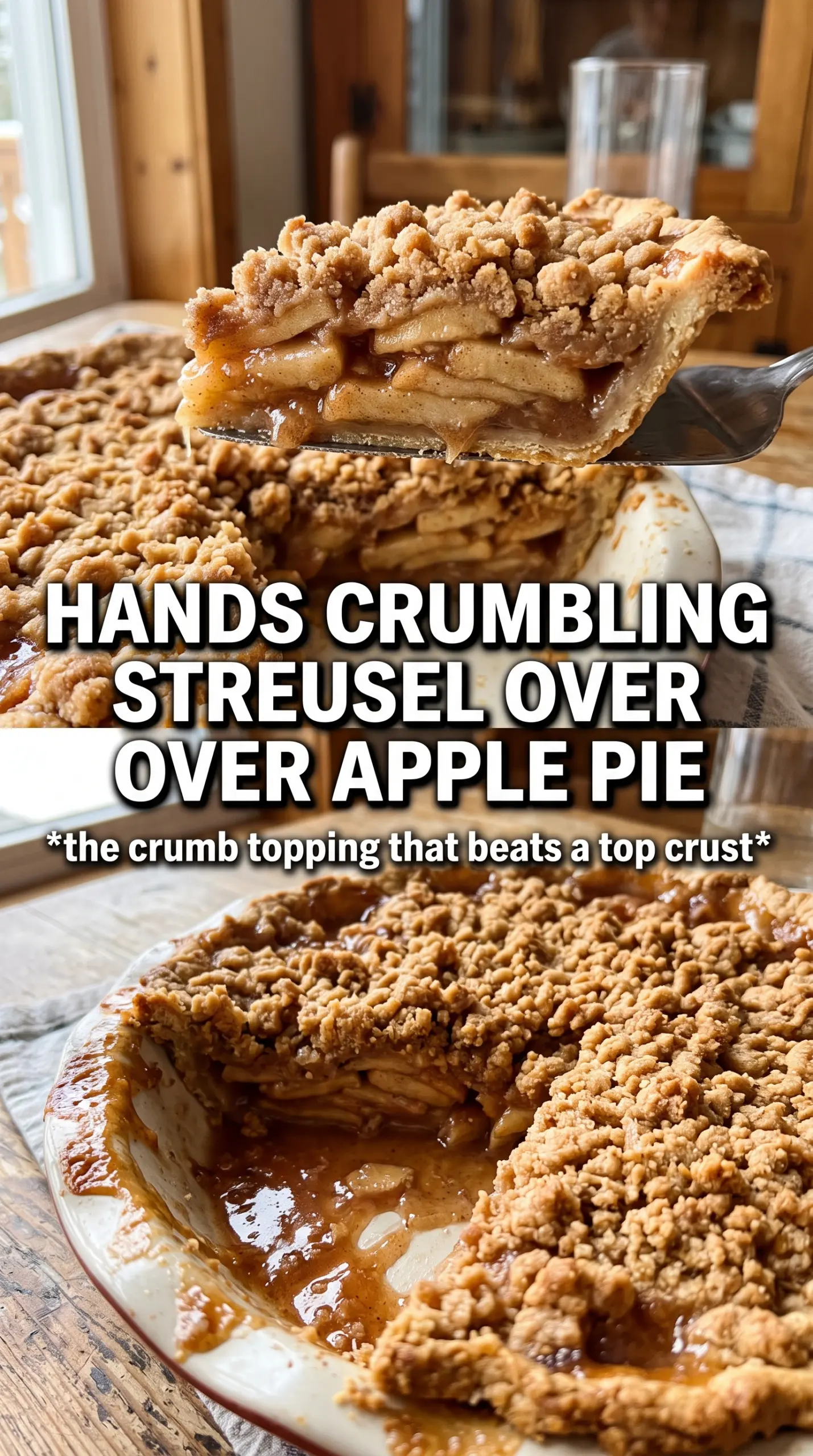
Thick, buttery streusel and tender spiced apples make Dutch apple pie the kind of dessert people remember after the last forkful. The crust stays sturdy enough to hold the filling, while the crumb topping bakes into a golden cap with crisp edges and sandy, tender bits underneath. What you get is less fuss than a lattice pie and a lot more texture in every slice.
The trick is keeping everything cold until it goes into the oven. Cold butter in both the crust and the streusel creates those distinct crumbs and prevents the topping from turning greasy. The filling also gets a little cornstarch, which keeps the apple juices from running out all over the plate once the pie cools.
Below you’ll find the small details that matter most: how to keep the streusel from melting into the apples, which apples give you the best balance of tart and sweet, and how to know when the pie is baked all the way through without overbrowning the top.
The streusel baked up crisp on top and the filling set enough to slice cleanly after cooling. I used Granny Smith and Honeycrisp like you suggested, and the flavor was balanced instead of overly sweet.
Love that thick streusel crown and spiced apple filling? Save this Dutch apple pie for the next time you want a pie that slices cleanly and bakes up with a crisp, buttery top.
The Reason the Streusel Stays Crisp Instead of Sinking
Most Dutch apple pies fail in one of two ways: the topping melts into a buttery layer, or the apples release enough juice to make the whole pie soggy. This version avoids both problems by keeping the butter cold and using enough starch in the filling to thicken the fruit juices as the pie bakes. You want distinct crumbs on top, not a paste.
The other thing that matters is the apple mix. Granny Smith gives you structure and tartness, while Honeycrisp softens into a sweeter, juicier bite. That combination keeps the filling from tasting flat, and it holds up better than using a single soft baking apple.
- Cold butter matters twice. In the crust, it creates flakiness. In the streusel, it creates those dry, craggy crumbs that brown instead of melting flat.
- Cornstarch is what gives the filling a clean slice. Without it, the juices stay loose and the bottom crust turns wet after cooling.
- Lemon juice keeps the apples from tasting dull. It also helps the filling stay bright after baking.
What Each Ingredient Is Doing in the Pie
- All-purpose flour — This is the backbone of both the crust and the streusel. In the crust, it gives enough structure to hold the filling. In the topping, it keeps the crumbs dry and bakery-style instead of sandy or greasy.
- Cold unsalted butter — Use real butter here. There isn’t a good shortcut for the flavor or the texture it gives. If the butter softens before baking, the crust loses flake and the streusel turns dense.
- Granny Smith and Honeycrisp apples — This pair gives you tartness plus sweetness, and it bakes into a filling with some bite left. If you use only very sweet apples, the pie can taste one-note.
- Brown sugar — This makes the streusel taste deeper and a little caramel-like. Light brown sugar works fine; dark brown sugar gives a stronger molasses note.
- Cornstarch — It thickens the apple juices without making the filling gummy. If you swap in flour, the filling will be cloudier and a little heavier.
Building the Pie So the Bottom Cooks and the Top Doesn’t Burn
Mixing the crust without overworking it
Stir the flour, salt, and sugar together first, then cut in the cold butter until the mixture looks like coarse crumbs with a few pea-size pieces left. Add the ice water a tablespoon at a time and stop as soon as the dough holds together when pressed. If you knead it like bread dough, the crust bakes tough instead of tender.
Loading the apple filling while the juices are still controlled
Toss the sliced apples with sugar, cinnamon, nutmeg, cornstarch, and lemon juice until every slice is coated, then pile them into the unbaked shell. The apples should mound high because they settle as they bake. If the filling sits too long before going into the oven, the sugar pulls out extra liquid and you start with a wetter pie than you want.
Turning the topping into crumbs, not dough
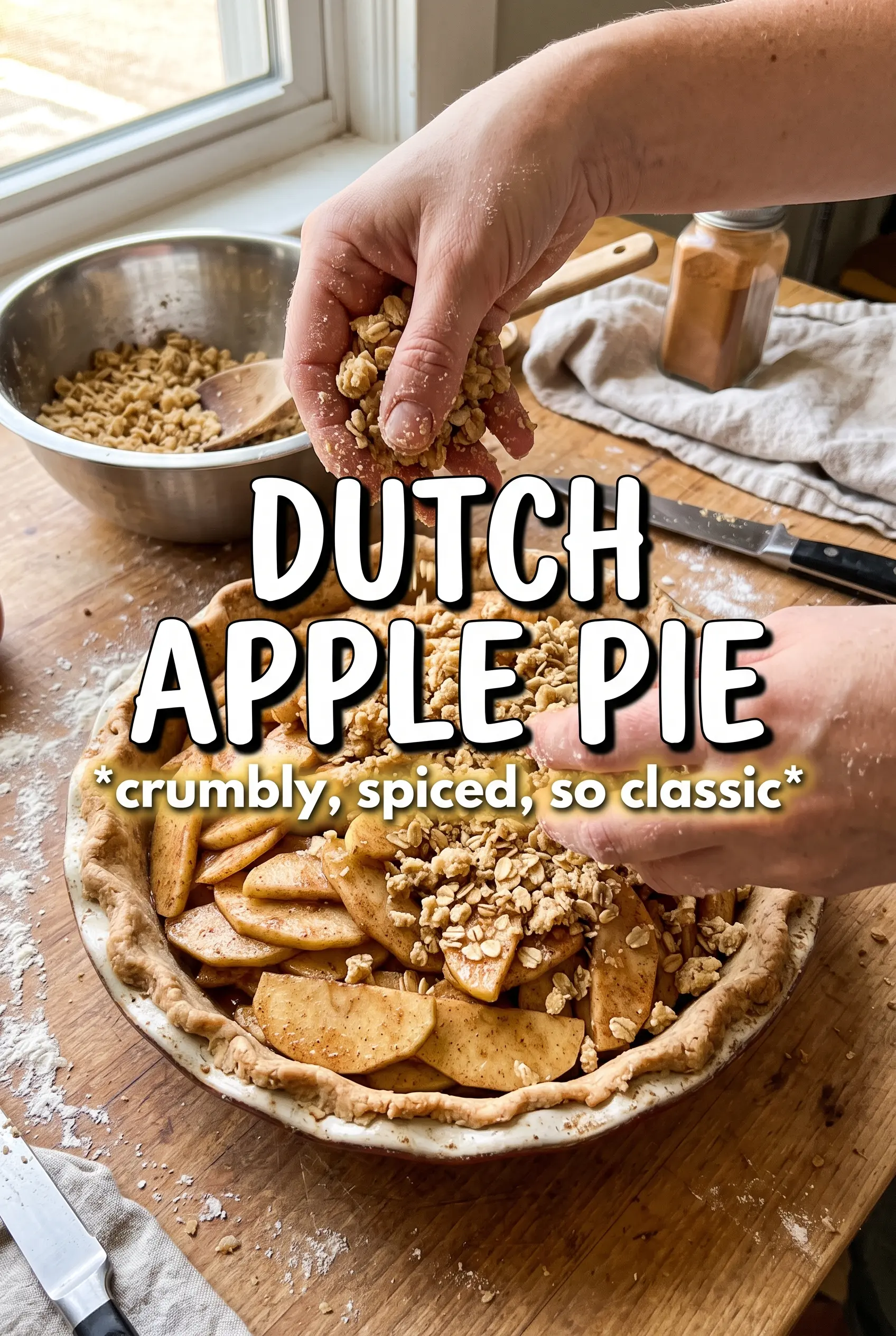
Work the butter into the flour, brown sugar, and cinnamon until you have uneven clumps, not a smooth mixture. Those rough pieces are what bake into a crisp streusel. If the topping looks like wet sand, the butter got too warm; chill it for a few minutes before sprinkling it over the pie.
Baking until the filling is actually done
Put the pie in a 375°F oven and bake until the streusel is deep golden and the filling bubbles around the edges. Those bubbles are the signal that the cornstarch has thickened properly. If the top browns early, tent it loosely with foil after about 30 minutes, but don’t cover it tightly or the topping will steam instead of crisp.
Make It Dairy-Free Without Losing the Crumble
Use a solid plant-based butter that behaves like regular butter when cold. You want one that firms up in the fridge, not a soft tub spread, or the streusel will bake flat. The flavor shifts a little, but the texture stays close if the fat is cold going into the oven.
Gluten-Free with a Different Crust and Topping Base
Swap in a 1:1 gluten-free flour blend for both the crust and streusel if your blend contains xanthan gum. The filling doesn’t need any changes. The crust may be a touch more fragile, so let the pie cool fully before slicing.
More Tart, Less Sweet
Use all Granny Smith apples and reduce the filling sugar slightly if you like a sharper pie. The texture stays the same, but the flavor gets brighter and less candy-like. This works best if the apples are fresh and crisp, not mealy.
Storage and Reheating
- Refrigerator: Store covered for up to 4 days. The streusel softens a little, but the flavor stays good.
- Freezer: Bake first, cool completely, then wrap tightly and freeze for up to 2 months. Thaw overnight in the fridge.
- Reheating: Warm slices in a 300°F oven until the topping crisps again. The microwave will soften the streusel and make the crust lose its edge.
Answers to the Questions Worth Asking
Dutch Apple Pie
Ingredients
Equipment
Method
- Mix all-purpose flour, salt, and sugar in a bowl, then cut in cold unsalted butter until crumbly.
- Add ice water 1 tablespoon at a time until dough forms.
- Chill the dough for 30 minutes, then press it into a 9-inch pie dish.
- Toss peeled and sliced apples with granulated sugar, cinnamon, nutmeg, cornstarch, and lemon juice.
- Pile the apple mixture into the unbaked crust.
- Combine all-purpose flour, brown sugar, and cinnamon, then cut in cold unsalted butter until large clumps form.
- Pile the streusel thickly over the apples, covering every inch.
- Bake at 375F for 55-65 minutes, until the streusel is golden and the filling bubbles around the edges.
- Tent loosely with foil after 30 minutes if the streusel browns too quickly.
- Cool the pie at least 1 hour before slicing.