Freezer breakfast sandwiches earn their place in the freezer because they stay sturdy, reheat fast, and still taste like breakfast instead of leftovers. The muffin holds its shape, the eggs bake up tender instead of rubbery, and the cheese melts back into the sausage just enough to feel fresh again after a spin in the microwave.
The trick is in the layering. Baking the eggs in a muffin tin gives you even rounds that fit the English muffins cleanly, and lightly toasting the muffins first keeps them from turning soggy once the sandwiches are wrapped and frozen. American or cheddar both work here, but a good melt matters more than fancy cheese when the goal is a grab-and-go sandwich that actually eats well from frozen.
Below, I’m sharing the small details that keep the texture right, plus a few swaps if you want to change the meat, the cheese, or the bread. The storage notes are worth reading too, because wrapping and reheating make a bigger difference here than they do in most breakfast recipes.
The eggs baked up perfectly in the muffin tin and stayed soft after freezing. I grabbed one before work three mornings in a row, and the cheese melted right back into the sausage.
Love these freezer breakfast sandwiches? Save them to Pinterest for busy mornings when you want eggs, sausage, and melted cheese ready in minutes.
The Egg Round Is What Keeps These Sandwiches from Falling Apart
Most homemade freezer breakfast sandwiches fail because the eggs are cooked in a loose scramble or a folded omelet that doesn’t match the shape of the muffin. Baking the eggs in a greased muffin tin gives you neat rounds that stack cleanly and hold together after freezing. That shape matters. It keeps every bite balanced and stops the filling from sliding out the sides as soon as the sandwich heats up.
Another small but important detail: the eggs should be just set, not browned hard around the edges. Overbaked eggs turn spongy after freezing and reheating, which is the fastest way to end up with a dry sandwich. Pull them when the centers are firm and the tops look matte, then let them cool before assembly so the cheese doesn’t start melting prematurely.
What Each Ingredient Is Actually Doing in Egg Round Sandwich
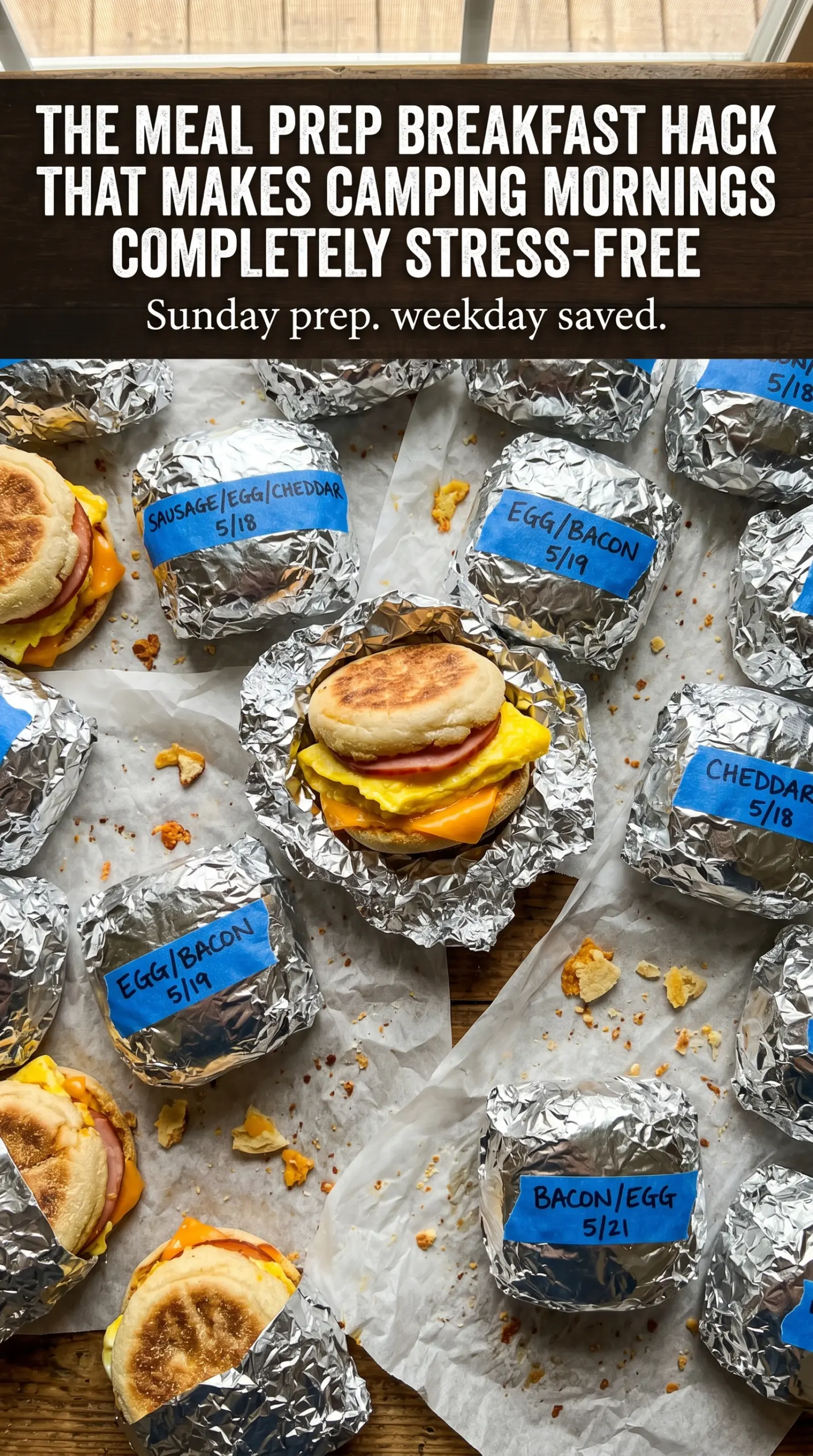
- Egg (cooked properly, not overcooked) — The egg should be set but still tender. Overcooked eggs are rubbery and difficult to work with.
- Egg shape (round, perfectly cooked) — A properly round egg adheres better to other sandwich components. Oddly shaped eggs create weak spots.
- Cheese (melted slightly onto the egg) — Melted cheese acts as glue that holds the sandwich together. It needs to be melted but not run off.
- Bread (sturdy, not thin or soft) — Flimsy bread breaks when held. The egg round needs sturdy bread to press against.
- Fillings (not too thick or bulky) — If fillings pile up, the sandwich becomes too tall and unstable. Keep it reasonable so the egg round can hold it.
- Assembly order (egg as the structural layer) — The egg should go in the middle where it can hold everything together. Outer ingredients make the sandwich fall apart.
- Pressing gently while warm — The cheese and egg should bind everything together while still warm. Pressing too hard squishes the egg.
- Let it cool slightly before eating — The egg holds better as it cools slightly. Too hot and it’s still sliding; too cold and the cheese won’t bind.
What Each Ingredient Is Actually Doing in the Freezer
- English muffins — These are the best bread choice here because they toast back up well and their nooks and crannies catch melted cheese. If you swap them, pick something sturdy and open-textured; soft sandwich bread tends to go soggy after freezing.
- Eggs — The baked egg rounds are the backbone of the sandwich. A muffin tin gives you uniform size and a softer texture than stovetop eggs, which can dry out faster when frozen.
- Breakfast sausage or bacon — Sausage adds more moisture and holds its texture a little better after reheating, while bacon gives you a smokier bite and a crisper finish. If you use bacon, cook it until just crisp so it doesn’t turn leathery in the freezer.
- American or cheddar cheese — American melts the smoothest and gives you the classic fast-food style stretch and creaminess. Cheddar brings a sharper bite, but slice it thin so it melts fully when reheated.
- Butter and cooking spray — The spray keeps the eggs from sticking to the tin, and a little butter on the muffins gives the edges better flavor and helps them toast without drying out.
Building the Sandwiches So They Reheat Cleanly
Cooking the Sausage First
Cook the sausage patties all the way through and let them drain before assembly. Any extra grease left on the patties ends up soaking into the muffin during storage, which is how a good freezer sandwich gets greasy fast. If you’re using bacon, cook it until it’s just short of brittle so it stays pleasant after reheating.
Baking the Eggs in the Muffin Tin
Spray the muffin tin well, then crack one egg into each cup and break the yolks if you want a flatter sandwich layer. Bake at 350°F until the eggs are set but still tender in the center. If they puff a little, that’s fine; they’ll settle as they cool. The main mistake here is overbaking, because a fully dry egg turns chalky once it’s microwaved later.
Assembling and Wrapping for the Freezer
Toast the English muffins lightly so they don’t collapse when thawed and reheated. Build each sandwich with the muffin bottom, egg, sausage, cheese, and muffin top, then wrap each one tightly in plastic wrap before placing them in freezer bags. Tight wrapping is not optional here; air exposure is what gives you freezer burn and stale-tasting bread. Label the bag with the date so you use the oldest ones first.
Reheating Without Wrecking the Texture
Unwrap the sandwich before microwaving it. That plastic wrap stays on far too often and it’s a mess nobody wants. Microwave until heated through, usually 1 to 2 minutes, depending on your machine and whether you thawed it first. If you want a crisper muffin, microwave first, then finish it in a toaster oven or skillet for a minute or two.
How to Adapt These Freezer Breakfast Sandwiches for Your Routine
Make Them Dairy-Free
Skip the cheese or use a dairy-free slice that melts well. The sandwich still works because the baked egg and sausage carry most of the structure; you’ll just lose a little of the creamy middle that helps everything feel unified.
Use Bacon Instead of Sausage
Bacon gives these sandwiches a saltier, smokier edge and a cleaner bite. Cook it just until crisp, because overly crisp bacon turns chewy after freezing and reheating.
Switch the Bread
Brioche, bagels, or sandwich thins all work if they’re sturdy enough to handle freezing. Bagels reheat with the best structure, while softer breads need a little extra toasting before assembly to avoid a dense, damp result.
Storage and Reheating
- Refrigerator: Store assembled sandwiches for up to 3 days. The bread softens a bit, so they’re best straight from the freezer or made just ahead.
- Freezer: Freeze for up to 3 months. Wrap each sandwich tightly and keep them in a freezer bag so they don’t dry out or pick up odors.
- Reheating: Unwrap first, then microwave until hot in the center. If you microwave too long in one burst, the egg gets rubbery and the muffin toughens, so short bursts are better if your microwave runs hot.
Answers to the Questions Worth Asking
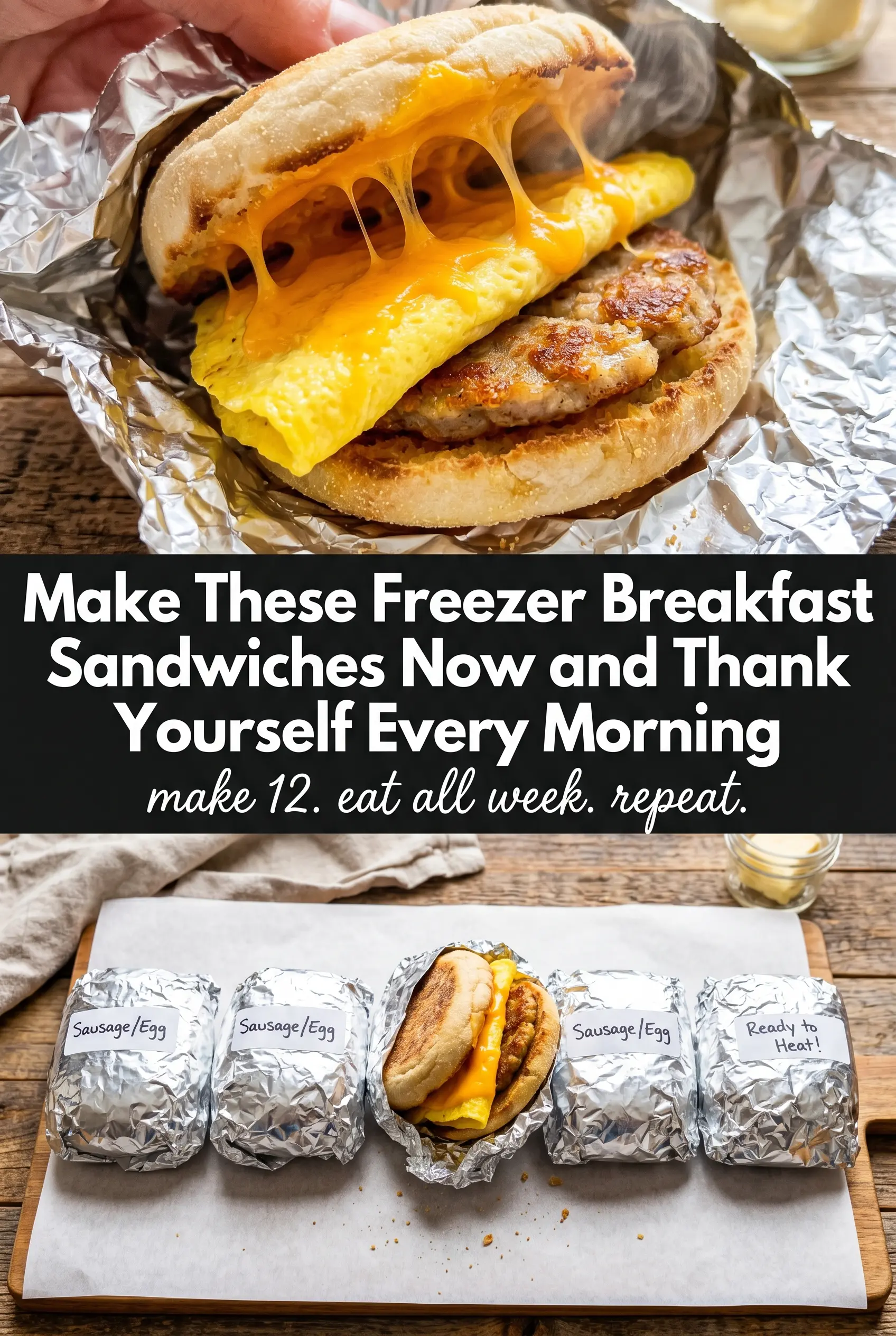
Freezer Breakfast Sandwiches
Ingredients
Equipment
Method
- Cook sausage patties according to package directions, then set aside.
- Keep sausage warm while you prepare the eggs and muffins.
- Spray a muffin tin with cooking spray and crack one egg into each cup, breaking yolks if desired.
- Season the eggs with salt and pepper and bake at 350°F for 12-15 minutes until set, with the centers no longer jiggly.
- Toast the English muffins lightly, just until warmed and lightly crisp.
- Assemble sandwiches with a muffin bottom, egg, sausage patty, cheese slice, and muffin top.
- Wrap each sandwich individually in plastic wrap, then place in freezer bags, stacking so they freeze flat.
- Freeze for up to 3 months; reheat by unwrapping and microwaving for 1-2 minutes until heated through and the cheese is melted.