Chunky cranberry sauce with orange, warm spice, and toasted pecans has a way of stealing attention from everything else on the table. This version lands bright instead of one-note sweet, with popped berries, a glossy syrupy base, and enough texture from the nuts to make each spoonful feel layered. It’s the kind of side that gets passed around twice because people keep coming back for “just a little more.”
The trick is in the balance. White sugar keeps the cranberries sharp and lively, while brown sugar brings a little depth that makes the sauce taste rounded instead of tart. Orange juice does more than add fruitiness; it gives the berries the liquid they need to break down into a spoonable sauce, and the orange zest goes in at the end so the citrus stays fresh and fragrant instead of cooked flat. The pecans wait until the end too, which keeps them crunchy instead of soft and muted.
Below, I’m walking through the part that matters most: how to cook the cranberries until they burst without turning the sauce thin, plus the small finishing details that make this holiday cranberry sauce taste like you gave it much more effort than you did.
The sauce thickened up beautifully and the orange zest made it taste fresh instead of just sugary. I stirred in the pecans right before serving and they stayed crunchy the whole time.
Save this chunky cranberry sauce with orange and toasted pecans for the holiday table when you want a bright, make-ahead side with real texture.
The Part Most Cranberry Sauces Get Wrong: Cooking Off the Sharpness Without Losing the Fruit
Cranberries need enough heat to burst, but not so much that they turn into jam or cook down into something dull and overly sweet. The mistake is rushing the boil and then walking away, which leaves you with a loose sauce full of half-popped berries. Here, the simmer does the real work. You want the berries to split open, the liquid to turn glossy, and the spoon to leave a faint trail through the pan before you pull it off the heat.
The other thing that matters is when you stop cooking. Cranberry sauce thickens as it cools, so it should look a little looser in the pan than it will in the bowl. If it’s reduced until it looks finished on the stove, it usually ends up too stiff after chilling. That little bit of carryover is what gives you a sauce that sits spoonable instead of slicing like jelly.
What Each Ingredient Is Actually Doing in This Cranberry Sauce
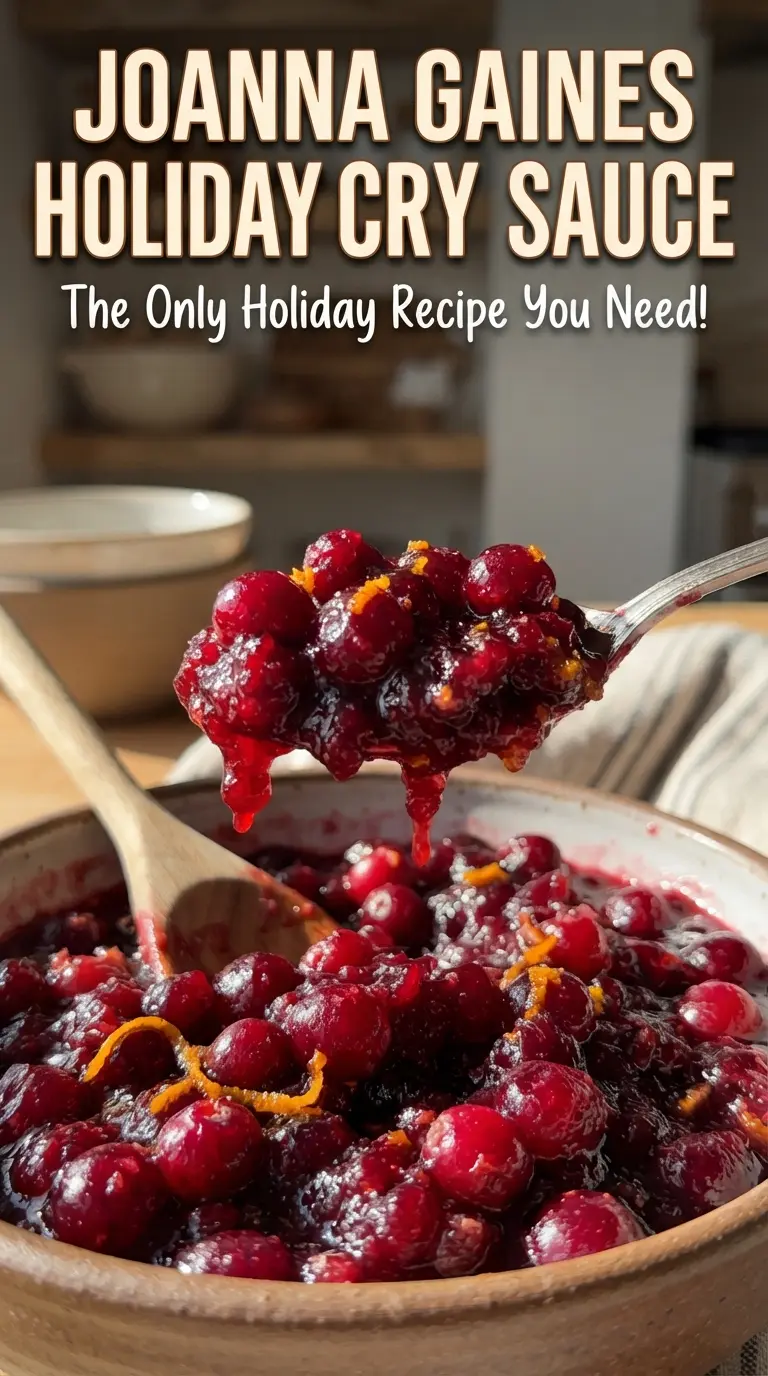
- Fresh cranberries — These are non-negotiable for the right texture. Frozen cranberries work too, straight from the freezer, but don’t thaw them first or they’ll soften too fast and lose some of that pop.
- Orange juice — This gives the berries the liquid they need to cook down while adding sweetness and acidity at the same time. Use freshly squeezed juice if you can, because bottled juice can taste flat in a simple sauce like this.
- Brown sugar and granulated sugar — The white sugar sharpens the fruit, while the brown sugar adds a deeper caramel note that makes the sauce taste rounder. If you only use white sugar, the sauce tastes brighter but less layered.
- Orange zest — Stir it in after the heat is off so the oils stay bright. If you cook zest for the full time, it loses the fresh citrus note that makes this sauce stand out.
- Pecans — Toast them first and add them at the end. Untoasted pecans taste flat, and if they simmer in the sauce they go soft and lose the contrast that makes the texture interesting.
How to Cook It So the Berries Burst and the Pecans Stay Crunchy
Building the Syrup Base
Start by combining the sugars, orange juice, cinnamon, ginger, and salt in the saucepan and bringing it to a boil. The sugar should dissolve completely before the cranberries go in, or you’ll get grainy spots at the bottom of the pan. This base should smell warm and citrusy, with the spices softened into the liquid but not overpowering it.
Cooking the Cranberries Until They Pop
Add the cranberries and keep the mixture at a steady simmer for 10 to 12 minutes. You’ll hear the berries begin to pop, and the liquid will thicken from thin juice into a syrupy sauce. If the pan is boiling too hard, the outside of the berries breaks down before the centers soften, which can leave you with a watery sauce and a few stubborn whole cranberries.
Finishing With Fresh Zest and Texture
Take the pan off the heat and stir in the orange zest right away. Let the sauce cool before chilling it, because it thickens as it rests and the flavor settles into balance. Stir in the toasted pecans just before serving so they stay crisp; if they go in too early, they’ll soften and disappear into the sauce instead of giving you that nice crunch.
How to Adapt This Sauce for Different Tables and Different Cooks
Make it dairy-free and naturally gluten-free
This recipe already fits both needs as written, which is part of why it’s such an easy holiday side to bring to a mixed table. Just check your spices and nuts for cross-contamination if that matters for your household. The texture and flavor stay exactly the same.
Swap the pecans for walnuts or skip the nuts entirely
Walnuts give a slightly earthier bite, while pecans stay sweeter and softer in flavor. If you skip the nuts, the sauce will still be bright and balanced, just smoother and less textural. In that case, serve it a little cooler so the sauce feels thick and polished on the plate.
Use all brown sugar for a deeper molasses note
If you want a darker, richer sauce, replace the granulated sugar with more brown sugar. The result is less sharp and a little more caramel-like, but it also softens the bright cranberry edge, so it works best beside savory mains rather than sweeter holiday dishes.
Add a splash of warm spice or citrus
A pinch of cloves or a strip of orange peel can push the sauce in a more spiced direction, but keep the hand light. Cranberries are bold enough on their own, and too many extras turn this from a bright side into something that tastes crowded.
Storage and Reheating
- Refrigerator: Store covered for up to 5 days. It thickens as it chills, so the texture will be noticeably firmer the next day.
- Freezer: It freezes well for up to 2 months. Thaw it overnight in the refrigerator and stir well before serving, since the juices may separate a little.
- Reheating: Cranberry sauce is usually best served cold or at room temperature, but if you want it warm, heat it gently over low heat with a splash of orange juice. High heat can make it loose and glossy in a way that doesn’t set back up cleanly.
Answers to the Questions Worth Asking
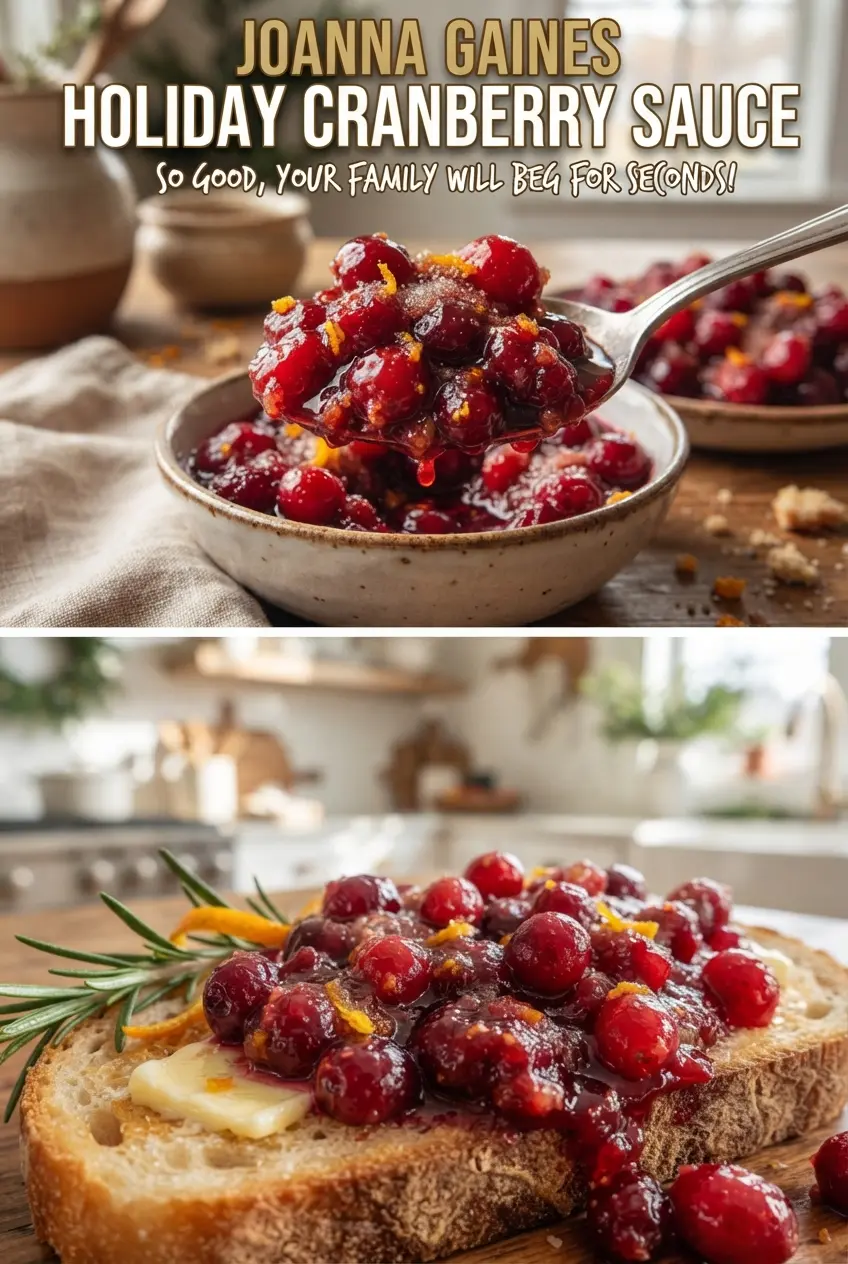
Joanna Gaines Holiday Cranberry Sauce
Ingredients
Equipment
Method
- Combine the sugar, brown sugar, orange juice, ground cinnamon, ground ginger, and salt in a saucepan. Heat over medium-high until boiling, then keep at a rolling boil for 1 minute and watch for the sugar to fully dissolve.
- Add the fresh cranberries to the boiling mixture. Return to a boil, then reduce to a steady simmer and cook for 10-12 minutes until the berries burst and the sauce thickens.
- Remove the saucepan from the heat. Stir in the orange zest and mix until glossy and evenly distributed.
- Cool the cranberry sauce to room temperature. The surface should look thicker and cohesive before chilling.
- Chill the cranberry sauce until serving, about 10 minutes. Keep it covered so the top doesn’t form a skin.
- Stir in the toasted pecans just before serving. Mix until evenly dotted so they stay crunchy.