Mom’s Best Apple Cake bakes up with a tender, moist crumb that stays soft for days, and every slice is packed with juicy apple pieces and a warm spice base that tastes like it came straight from a handwritten recipe card. The frosting seals the deal: brown butter adds a toasty depth to the cream cheese layer, so the top finishes with a rich, slightly caramel edge instead of a plain sweet glaze.
What makes this cake work is the balance. Oil keeps the crumb plush, sour cream adds just enough tang and moisture, and the apples are diced fine enough to melt into the batter without disappearing. The spices stay in the background, which keeps the apple flavor front and center instead of turning the cake heavy or muddy.
Below, I’ve included the details that matter most if you want a cake that bakes evenly and slices cleanly, plus a few smart swaps if you need to work with what’s in your kitchen.
The cake stayed incredibly moist even on day two, and the browned butter in the frosting gave it this warm caramel note that made the apples taste even better. I baked it in a 9×13 pan and it came out perfectly flat and easy to frost.
Save this brown butter-topped apple cake for the days when you want a tender, spiced dessert with a thick cream cheese frosting.
The trick that keeps this apple cake from baking up heavy
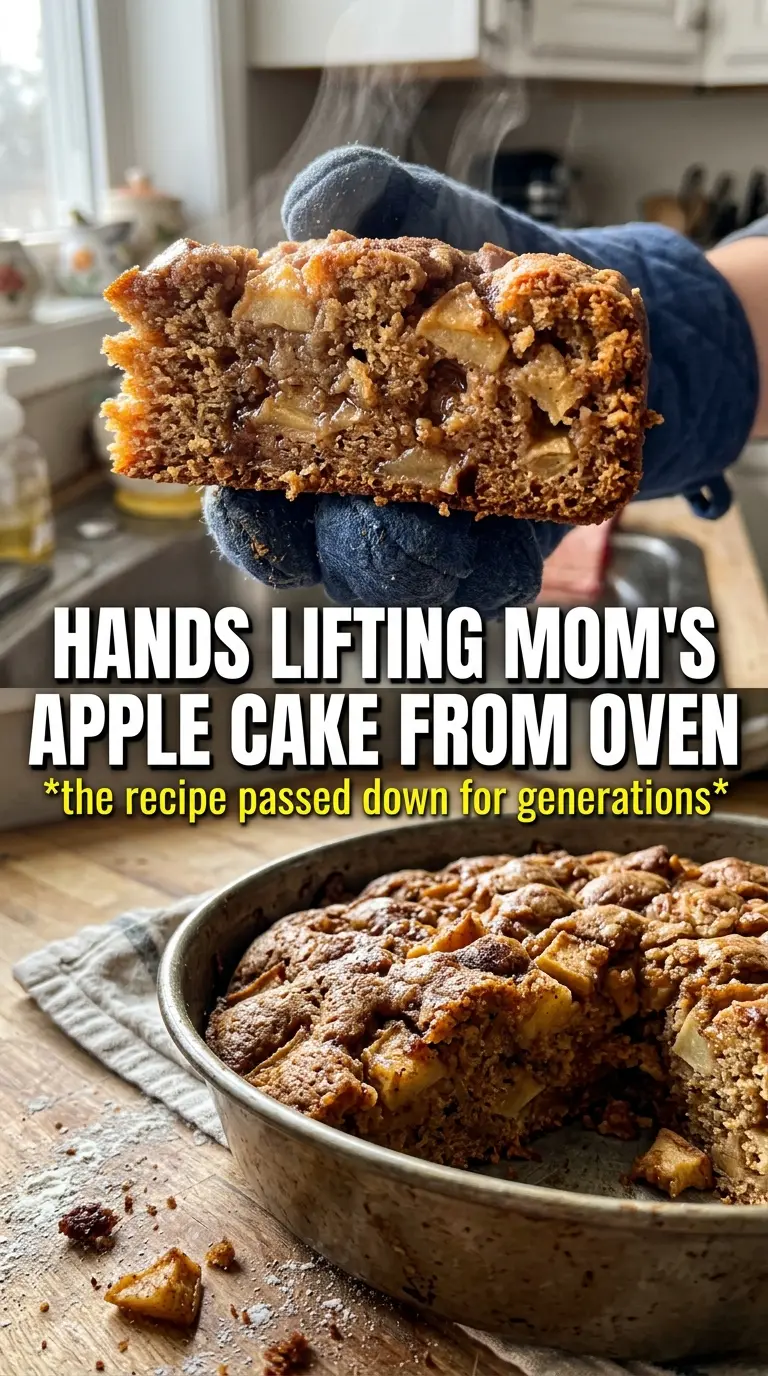
Apple cake goes wrong when the batter turns overworked or the apples are cut too large. At that point, the crumb tightens up and the fruit sits in pockets instead of melting into the cake. This version avoids both problems by keeping the mixing gentle once the flour goes in and using finely diced apples, which distribute evenly and give you a soft bite in every forkful.
The other place people lose moisture is by rushing the bake. A 9×13 pan will finish faster and flatter, while a bundt pan needs the full bake time so the center has time to set without the edges drying out. Pull it when a toothpick comes out clean or with just a few moist crumbs, not when the surface looks completely dry.
- Oil keeps the cake tender longer than butter would. Butter brings flavor, but oil gives this style of cake that plush, lingering softness.
- Sour cream adds richness and helps keep the crumb from turning dry. Full-fat plain yogurt can step in here if that’s what you have, though the cake will taste a little tangier.
- Finely diced apples matter more than the variety does. A firm apple that holds its shape is best, but the smaller cut is what makes the texture even throughout the cake.
- Walnuts or pecans add structure and a little bitterness that keeps the cake from tasting one-note. Leave them out if needed, but the cake will be softer and sweeter overall.
What the brown butter frosting is doing on top
- All-purpose flour gives the cake enough structure to hold the apples and nuts without getting dense. There’s no need for cake flour here; you want a sturdy crumb that still stays soft.
- Browned butter is what makes the frosting taste layered instead of just sweet. Cook it until the milk solids turn amber and smell nutty, then let it cool before beating it with the cream cheese or the frosting can turn loose.
- Cream cheese should be softened, not melted. If it’s cold, you’ll get lumps; if it’s too warm, the frosting won’t hold enough body to spread properly.
- Powdered sugar and milk control the texture. Add the milk slowly because a tablespoon too much can take the frosting from thick and spreadable to runny fast.
Mix the batter gently, then let the oven do the work
Build the dry base first
Whisk the flour, baking soda, cinnamon, nutmeg, allspice, and salt until the spices are evenly distributed. That step matters because cinnamon tends to clump and you do not want one bite that tastes heavily spiced while the next tastes plain. A thorough whisk also keeps the baking soda from streaking through the batter.
Whip the wet ingredients until they look smooth
Beat the sugars with the oil, eggs, vanilla, and sour cream until the mixture looks glossy and fully combined. It won’t turn fluffy the way butter and sugar do, and that’s fine. If the eggs still look streaky at this point, keep mixing for another minute so the cake bakes with an even crumb instead of tiny eggy pockets.
Fold in the apples without beating the batter flat
Add the flour mixture and stir just until you stop seeing dry streaks, then fold in the apples and nuts. The batter should look thick and heavy, but it should still move easily when you scrape it into the pan. If you stir until it looks perfectly smooth, the cake will bake up tighter than it should.
Bake until the center sets cleanly
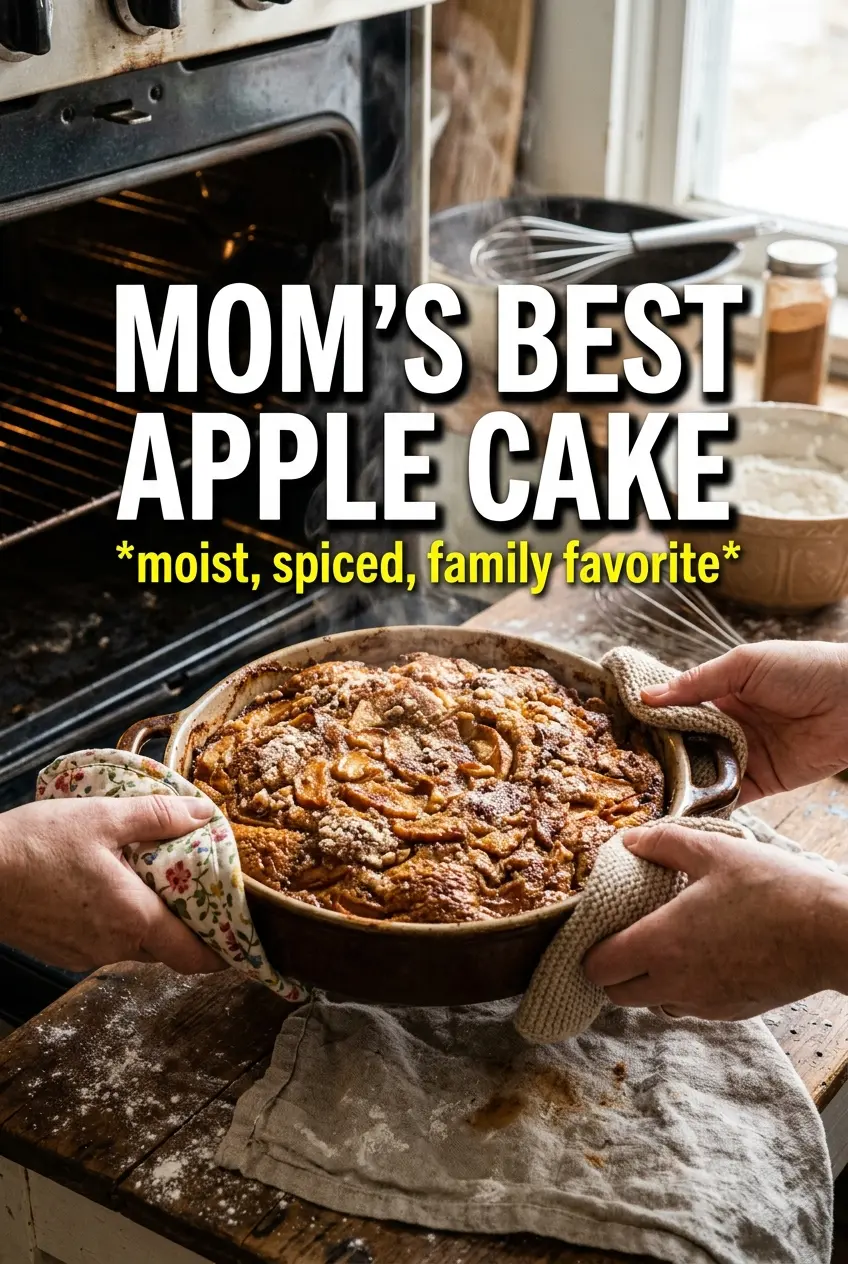
Spread the batter evenly in the prepared pan and bake at 325°F until a toothpick in the center comes out clean. The top should be deeply golden and the cake should spring back lightly when pressed. If the pan is a bundt, check the thickest part of the cake, not the edges, because the rim will finish first and can fool you into pulling it too early.
Frost only after the cake cools
Beat the browned butter and cream cheese until smooth, then add the powdered sugar, milk, and vanilla. The cake needs to be completely cool or the frosting will soften and slide. Spread it generously so it catches in the nooks of the crumb and gives every slice that thick, bakery-style finish.
How to adapt this cake when you need a different pan or a different pantry
Make it gluten-free with a good 1:1 flour blend
A cup-for-cup gluten-free blend works well here because the cake already has plenty of moisture from oil, sour cream, and apples. The texture will be a touch more delicate, so let the cake cool completely before slicing or it can crumble.
Skip the nuts without changing the batter
The nuts add crunch and a little contrast, but they aren’t holding the cake together. Leave them out if you need a smoother crumb or if you’re baking for someone with a nut allergy; the cake will still be moist and flavorful, just a little softer in texture.
Use a bundt pan for a more dramatic slice
A bundt pan gives you a taller cake with more browned edges, but it needs a thorough grease job and a little more patience in the oven. The cake releases best when it’s fully cooled and the pan has been well coated, so don’t rush the turn-out.
Storage and Reheating
- Refrigerator: Store covered for up to 5 days. The frosting firms up in the fridge, but the cake stays moist.
- Freezer: Freeze unfrosted slices tightly wrapped for up to 2 months. Thaw overnight in the refrigerator, then frost after thawing for the best texture.
- Reheating: Let slices sit at room temperature, or warm unfrosted pieces briefly in the microwave. If the cake is frosted, don’t heat it hard or the cream cheese layer will melt and slide.
Answers to the questions worth asking
Mom's Best Apple Cake
Ingredients
Equipment
Method
- Preheat the oven to 325F, then grease a 9x13 pan or bundt pan with a thin coating of oil or spray.
- Whisk all-purpose flour, baking soda, cinnamon, nutmeg, allspice, and salt in a bowl until evenly blended.
- Beat granulated sugar, brown sugar, vegetable oil, eggs, vanilla extract, and sour cream until the mixture is well combined and smooth.
- Fold the flour mixture into the wet ingredients until just combined, stopping as soon as no dry streaks remain.
- Fold in the finely diced apples and chopped walnuts or pecans so they’re evenly distributed through the batter.
- Bake for 60-70 minutes at 325F, until a toothpick comes out clean when inserted in the center.
- Cool the cake completely in the pan before frosting so the frosting stays thick and spreadable.
- Beat browned butter and softened cream cheese until smooth and fully blended.
- Add powdered sugar, then beat again until the frosting is thick and smooth.
- Beat in milk and vanilla until the frosting loosens slightly and turns glossy.
- Frost the cooled cake generously, spreading in an even layer and adding swirls on top.