Baby red potatoes hold their shape better than most potatoes, which is exactly why this salad lands with a clean bite instead of turning soft and heavy. The edges stay intact, the centers turn tender, and the herb vinaigrette clings to every cut surface without drowning the bowl. It eats light, but it still tastes like a real potato salad, not a side dish trying too hard to be impressive.
The trick is in the timing and the dressing. The potatoes get boiled just until tender, then cooled before the vinegar-mustard dressing goes on, which keeps the flavor bright and stops the herbs from turning dull. A short chill lets the dressing settle into the potatoes, and the result is better after sitting than it is straight from the mixing bowl.
Below you’ll find the small details that matter here: how to keep the potatoes from overcooking, why the vinaigrette works without mayo, and how to tweak the herbs if you’ve got a bunch of dill in the fridge that needs using up.
The potatoes held their shape after chilling, and the dill-Dijon dressing soaked in without making it watery. I served it the next day and it was even better.
Save this herb-dressed red potato salad for a make-ahead side that tastes even better after a long chill.
The Reason This Potato Salad Stays Bright Instead of Heavy
Most potato salads lose their shape because the potatoes are overcooked or the dressing gets mixed in while everything is still steaming hot. That combination turns the outer edges into mush and mutes the herbs before they ever hit the bowl. This version avoids both problems by using baby red potatoes, cooking them just to tenderness, and dressing them after they’ve cooled enough to stay intact.
The other thing that matters here is the vinaigrette. Red wine vinegar and Dijon do the lifting, not mayo, so the salad stays clean and sharp rather than thick and pasty. That makes it a better fit for cookouts, lunches, and anything that sits on the table for a while.
- Baby red potatoes — Their thin skins and waxy texture keep them from falling apart. If you swap in russets, expect a softer, fluffier salad that won’t hold the same shape.
- Red wine vinegar — This gives the salad its lift. White wine vinegar works in a pinch, but it tastes a little cleaner and less rounded.
- Dijon mustard — It helps the dressing emulsify and gives it a gentle sharpness. Yellow mustard won’t give the same depth.
- Fresh dill and parsley — These herbs matter because they stay bright against the potatoes. Dried herbs won’t give the same fresh finish here.
- Green onions — They add a mild bite without overpowering the dressing. If yours are strong, slice them thin and use the pale green parts too.
What Each Ingredient Is Actually Doing to Keep Salad Bright

- Oil-based dressing (lighter than mayo-heavy) — A light dressing with oil and vinegar keeps the salad from tasting heavy. It also highlights the potatoes.
- Fresh vegetables (adds brightness and texture) — Crisp vegetables like celery and fresh herbs add freshness. They prevent the salad from tasting one-dimensional.
- Acid (vinegar or lemon juice) — The acid is essential for brightness. It prevents the salad from tasting flat and heavy.
- Fresh herbs (especially tender ones added last) — Fresh herbs add complexity and brightness. They should stay visible and vibrant.
- Potatoes (cooked properly, not overcooked) — Overcooked potatoes become mushy and absorb too much dressing. Cook until just tender.
- Minimal mayo (if using any) — Heavy mayo makes the salad taste one-dimensional and heavy. Use sparingly.
- Light seasoning applied evenly — Don’t over-salt. Season just enough to enhance the flavors without overwhelming.
- Serve at room temperature (not ice cold) — Cold mutes flavors. Room temperature allows the flavors to shine.
Cooking the Potatoes So They Hold Up After Chilling
Boil the potato halves until a knife slides in with only a little resistance. If they’re falling apart in the pot, they’re already too soft for a salad like this. Drain them well and let them cool until they’re warm, not hot, before you add the herbs and dressing.
Whisk the dressing until the mustard disappears into the oil and vinegar. You want it glossy and slightly thickened, not separated. Toss everything gently so the potatoes get coated without getting mashed, then chill the salad for two hours so the flavors settle and the dressing fully seasons the potatoes.
Boiling to Tender, Not Soft
Set the potato halves in salted water and cook them until they’re easily pierced but still feel firm at the center. That little bit of resistance matters because they’ll continue to soften as they cool. If you boil them until they’re completely done through and collapsing, they’ll break apart when you toss the salad.
Building the Herb Vinaigrette
Whisk the olive oil, vinegar, Dijon, salt, and pepper until the dressing looks unified and slightly creamy. The mustard does the real work here, helping the oil and vinegar stay together long enough to coat the potatoes evenly. If the dressing looks separated after sitting, whisk it again before pouring it over the potatoes.
Cooling and Chilling for the Best Texture
Let the potatoes cool before dressing them so they don’t soak up the vinaigrette too aggressively and turn soft at the edges. After tossing, the two-hour chill is what makes this salad taste finished. Skip that rest and it will taste fine, but the herbs won’t have time to settle in and the seasoning will feel a little loose.
How to Adapt This Salad Without Losing What Makes It Good
Make It Dairy-Free and Naturally Vegetarian
This recipe already lands in both lanes because the dressing is built on olive oil, vinegar, and herbs instead of mayo or yogurt. That keeps the texture light and the flavor clean, and it also means the salad holds up better after chilling.
Swap the Herbs Based on What’s in the Fridge
If you’re short on dill, use more parsley and add a small pinch of dried dill weed if you have it. Chives also work well and give the salad a gentler onion note. Keep one herb fresh if possible so the dressing still tastes bright.
Add Hard-Boiled Eggs for a More Substantial Side
Chopped hard-boiled eggs make the salad richer and turn it closer to a picnic classic, but they do soften the clean herb-vinaigrette feel. Fold them in gently after the potatoes are cooled so the yolks don’t smear through the dressing.
Use Yukon Golds if That’s What You Have
Yukon Gold potatoes work if you want a slightly creamier bite, but they’re more likely to break down at the edges. Cut them into bigger pieces and watch the pot closely so they don’t go from tender to split open.
Storage and Reheating
- Refrigerator: Store covered for up to 4 days. The herbs will soften a little, but the flavor stays good.
- Freezer: Don’t freeze this salad. The potatoes turn grainy and the dressing separates after thawing.
- Reheating: This salad is meant to be served cold or cool from the fridge. If you want it less chilled, let it sit at room temperature for 15 to 20 minutes instead of heating it, because warming it will dull the herbs and loosen the texture.
Answers to the Questions Worth Asking
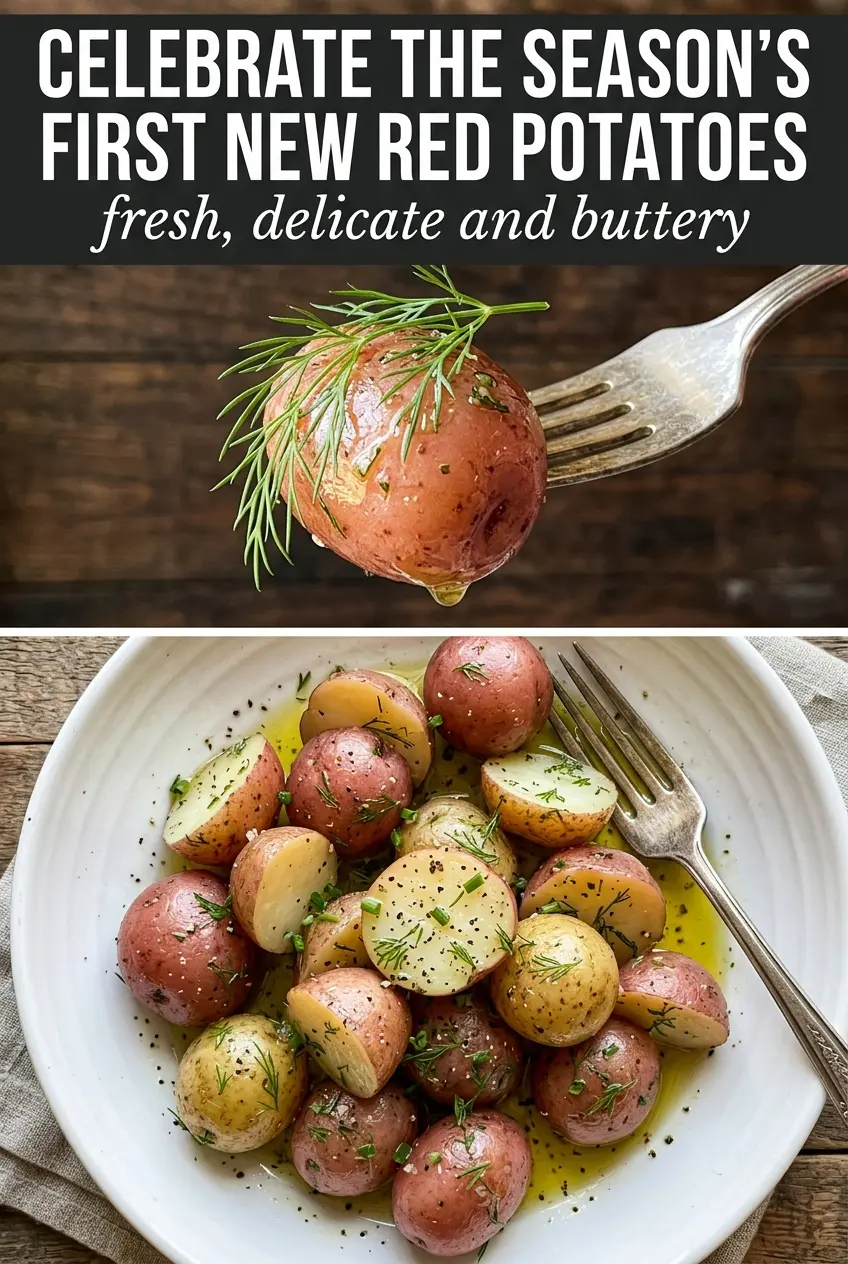
New Red Potato Salad
Ingredients
Equipment
Method
- Bring a large pot of water to a boil, then add the halved baby red potatoes and cook for 12 to 15 minutes, until easily pierced with a fork (visual cue: potato halves become tender and just about hold their shape).
- Drain the potatoes and spread them on a sheet pan to cool for 10 minutes (visual cue: steam reduces and the surface looks matte rather than glossy).
- Whisk olive oil, red wine vinegar, Dijon mustard, salt, and pepper until smooth (visual cue: the dressing turns slightly cloudy and emulsifies).
- Add the cooled potatoes to a mixing area and combine with dill, parsley, and green onions (visual cue: herbs are evenly distributed through the potatoes).
- Pour the herb vinaigrette over the potatoes and toss well until coated (visual cue: potatoes look lightly glossy from the dressing).
- Refrigerate for 2 hours before serving (visual cue: the salad firms up and flavors meld; serve cold).