Crackly rye bread, a juicy smash-style beef patty, and a mess of sweet caramelized onions make a patty melt worth coming back to again and again. The best ones hit that perfect middle ground between a burger and a grilled cheese: crisp on the outside, molten in the center, and salty enough that you want another bite before you’ve finished the first half.
This version leans on a hot cast iron skillet and two cheeses for a reason. Swiss brings that nutty melt, while sharp American or cheddar gives the sandwich a softer, more familiar stretch and keeps the filling from tasting flat. The onions cook low and slow until they turn jammy and deep gold, which matters more here than in a regular burger because they’re part of the sandwich structure, not just a topping.
Below, I’ll walk through the timing that keeps the bread crisp instead of greasy, plus a few swaps that still give you that diner-style finish at home.
The onions caramelized right on schedule and the bread got that deep golden crust without going soggy. I used the sauce exactly as written and my husband said it tasted like the old diner down the road.
Make this patty melt when you want crisp rye, melty cheese, and deeply caramelized onions in one skillet.
The Trick to a Patty Melt That Stays Crisp Instead of Greasy
The fast mistake with a patty melt is treating it like a burger on toasted bread. That gives you a sandwich that looks right for two bites, then the bread starts drinking up fat from the beef and butter. The fix is a hot skillet, a thin smash, and a short return to the pan after assembly so the cheese melts before the rye has time to soften.
The onions matter just as much as the patty. If they’re pale and sharp, the whole sandwich tastes disjointed. Cook them until they collapse into a sweet, bronze pile, because that softness bridges the beef and cheese and helps everything slice cleanly instead of sliding apart.
- Cast iron skillet — This is what gives you the diner-style crust. A thin pan can work, but cast iron holds heat better, which is what you need for the smash and the final press.
- Rye bread — Rye has enough structure and flavor to stand up to the beef and onions. Soft sandwich bread won’t give you the same crunch or that old-school patty melt taste.
- 80/20 ground beef — That fat ratio keeps the patties juicy after a hard sear. Leaner beef dries out fast in a sandwich this compact.
- Swiss and sharp American or cheddar — Swiss melts smoothly, while the sharper cheese adds body and a little extra richness. Using both keeps the filling gooey without turning stringy or bland.
What Each Layer Is Doing in This Sandwich
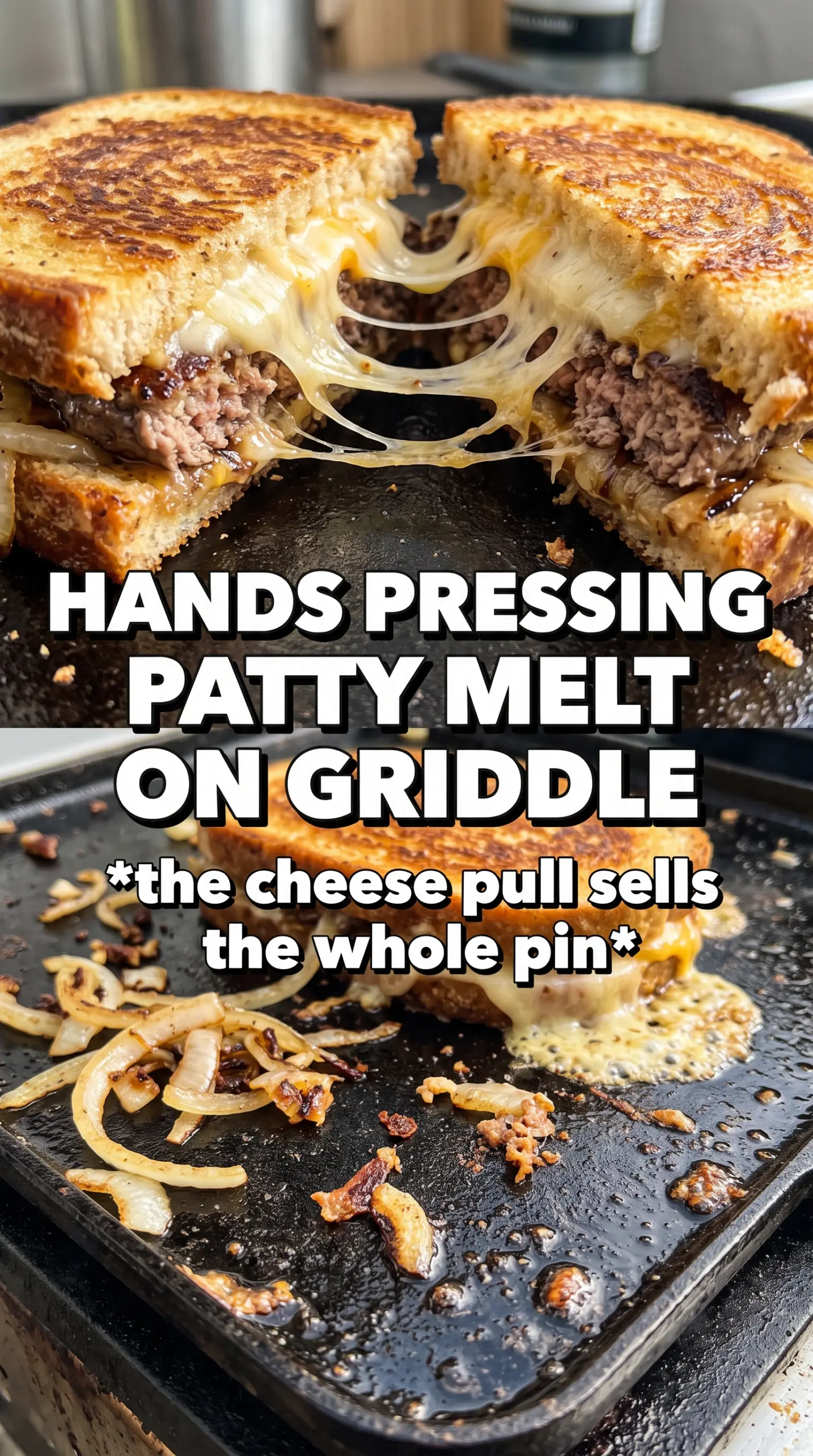
- Ground beef — Divide it into loose balls, don’t pack it tightly. That helps it smash thin and develop browned edges instead of puffing into a thick burger.
- Worcestershire sauce — This seasons the meat with deep savory flavor and helps the patties taste like more than plain beef. A little goes a long way.
- Onions — Thin slices are important here because they need time to turn soft and sweet. Thick slices brown unevenly and never quite melt into the sandwich.
- Butter — Use it for the onions and the bread, but don’t flood the pan. Too much butter makes the rye fry in grease instead of toasting.
- Special sauce — Mayo gives it body, ketchup brings mild sweetness, Dijon sharpens it, and the extra Worcestershire ties it back to the beef. It’s optional in the sense that you can skip it, but it does a lot of heavy lifting.
Building the Sandwich So the Cheese Melts Before the Bread Burns
Caramelize the Onions First
Start the onions in butter over medium-low heat and give them time. They should shrink, soften, and turn from pale gold to a deep amber brown without scorching at the edges. If the heat is too high, the outside browns before the inside goes sweet, and you’ll miss the jammy texture that makes a patty melt taste right. Stir often enough to keep them moving, but not so much that they never settle and color.
Smash the Beef in a Hot Skillet
Get the cast iron hot before the beef goes in. When the balls hit the pan, press them thin right away so they develop a crust in the first minute, not after they’ve already started steaming. Seasoning before the smash is fine here because the patties are thin and the Worcestershire works into the meat quickly. If the patties feel sticky and won’t release, they’re not ready to flip yet; wait until the edges look browned and lacy.
Toast, Stack, and Press
Toast the rye in the skillet with a little butter until it’s golden and crisp, then build the sandwich with sauce, onions, patty, cheese, more onions, and the top slice. The second pass in the pan is where the melt happens, so press gently and keep the heat moderate enough to finish the cheese without burning the bread. If your cheese isn’t melting, the pan is too cool or the sandwich is too thick. Covering the skillet for a minute helps trap heat and finish the center.
How to Adapt This Patty Melt for Different Kitchens and Appetites
Make It Gluten-Free
Use sturdy gluten-free bread with enough structure to handle the filling. Slice it a little thicker than usual and toast it well, because GF bread softens faster once the onions and sauce hit it.
Skip the Dairy Without Losing the Crunch
Use a plant-based butter for toasting and choose a dairy-free meltable cheese that softens under heat. The sandwich will still crisp well, but the cheese won’t stretch quite the same way, so keep the skillet covered for the final minute to help it melt through.
Use Turkey or Plant-Based Patties
Turkey works if you season it well and don’t overcook it, but it won’t bring the same beefy depth. A plant-based patty can work too, though you’ll want to lean harder on the onions and sauce because those substitutes usually need help on the savory side.
Storage and Reheating
- Refrigerator: Store leftovers wrapped tightly for up to 3 days. The bread softens a bit, but the flavor holds up.
- Freezer: The cooked patties and onions freeze better than the fully assembled sandwich. Wrap them separately and assemble fresh for the best texture.
- Reheating: Reheat in a skillet over medium-low heat so the bread re-crisps while the cheese loosens again. Microwaving makes the rye limp and the beef rubbery, which is the fastest way to ruin the texture.
Questions I Get Asked About This Recipe
Patty Melt
Ingredients
Equipment
Method
- Melt 2 tablespoons unsalted butter in a cast iron skillet over medium-low heat and add the thinly sliced onions. Cook 25-30 minutes, stirring as needed, until deeply golden.
- Divide the 80/20 ground beef into 4 balls, then season each with Worcestershire sauce, garlic powder, salt, and pepper. Press the seasoning evenly over the surface.
- Heat the cast iron skillet over high heat, then smash each beef ball thin and flat in the pan. Cook 2-3 minutes per side until browned and crisp at the edges.
- Add the remaining butter to the skillet and toast the rye bread slices until golden. Cook briefly until the bread feels crisp.
- Whisk together mayo, ketchup, Dijon, and the remaining Worcestershire sauce to make the special sauce. Spread a layer on the toasted rye bread.
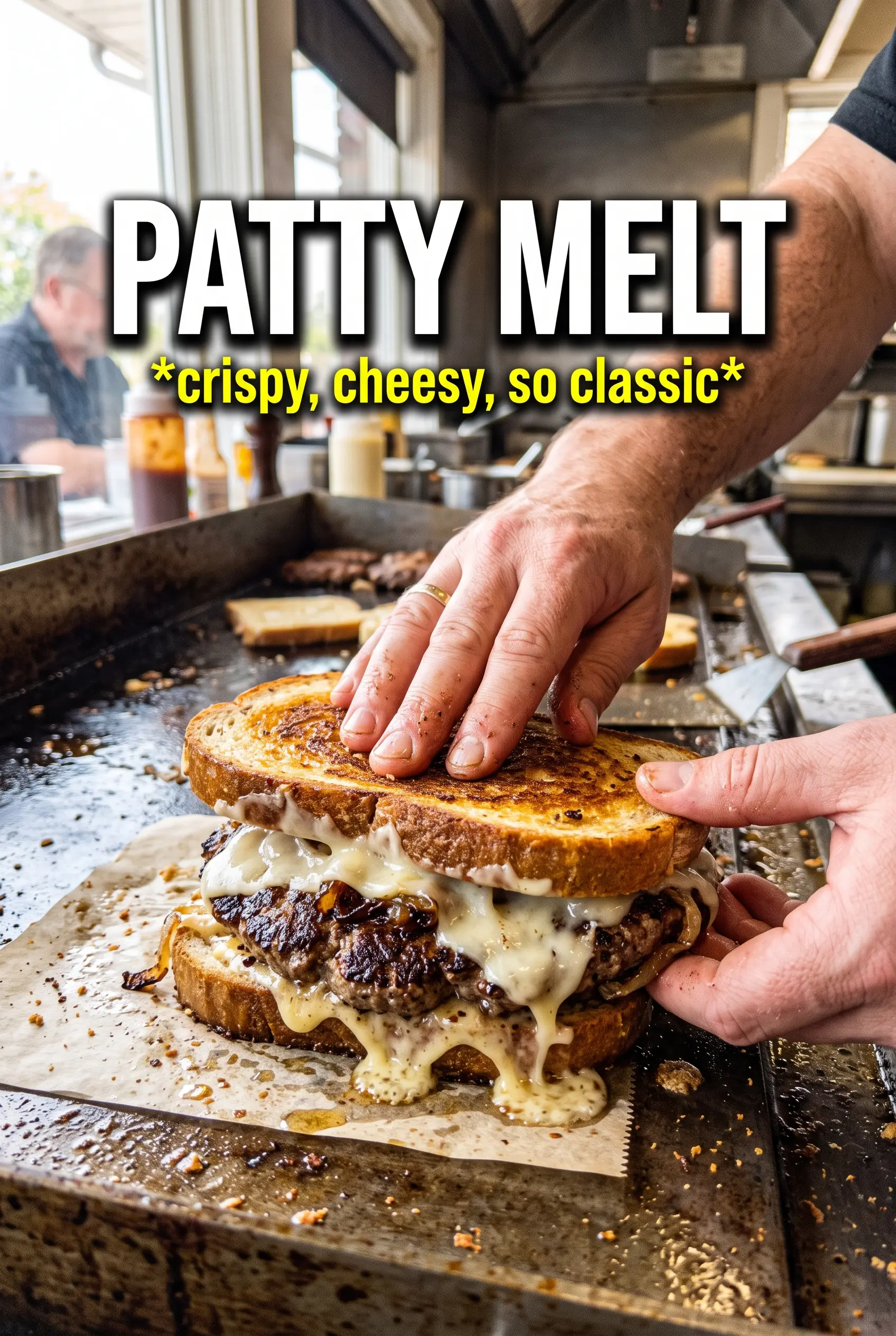
- Assemble each melt by layering toasted rye bread, special sauce, caramelized onions, a smash patty, Swiss cheese, sharp American or cheddar cheese, extra onions, and the second slice of toast. Keep the cheese centered over the patty.
- Return the assembled sandwiches to the cast iron skillet and press lightly. Cook 1-2 minutes per side until the cheese is fully melted.