Roasted brown sugar carrots come out glossy, tender, and just sweet enough to feel special without turning into dessert. The edges caramelize, the centers stay soft with a little bite, and the butter-brown sugar glaze clings to every piece instead of pooling on the pan. A handful of parsley at the end keeps the whole dish from tasting one-note.
What makes this version work is the balance: enough brown sugar to encourage browning, enough butter to carry the seasoning, and a hot oven to dry the surface so the carrots can actually caramelize. Cutting them on the bias gives more exposed surface area, which means better color and more of that sticky glaze in every forkful. I also like to toss them halfway through roasting so the sugars don’t scorch in one spot before the carrots finish cooking.
Below, I’ve included the small details that matter most, including how to keep the glaze from sliding off and what to change if you want a slightly less sweet side dish.
The carrots got that sticky caramelized coating without burning, and the cinnamon gave them a warm depth that worked beautifully with the butter. I served them with roast chicken and there wasn’t a single carrot left.
Save these roasted brown sugar carrots for the nights when you want a glossy, caramelized side with almost no effort.
The Trick to Caramelized Carrots Instead of Burnt Sugar
The main mistake with glazed carrots is crowding the pan. When the carrots sit on top of one another, they steam first and brown later, which means the sugar melts into a thin syrup instead of forming that sticky edge you want. A single layer on a lined sheet pan gives the heat room to work, and the tossed halfway point keeps the glaze from overconcentrating in one corner.
Brown sugar can go from glossy to scorched fast once the pan gets hot, so the oven temperature matters. At 400F, the carrots soften in time with the glaze, and the butter helps slow the sugar just enough that the outside caramelizes before the pieces dry out. If your carrots are still firm when the glaze is getting dark, they were cut too large or packed too tightly.
What Each Ingredient Is Actually Doing in This Dish
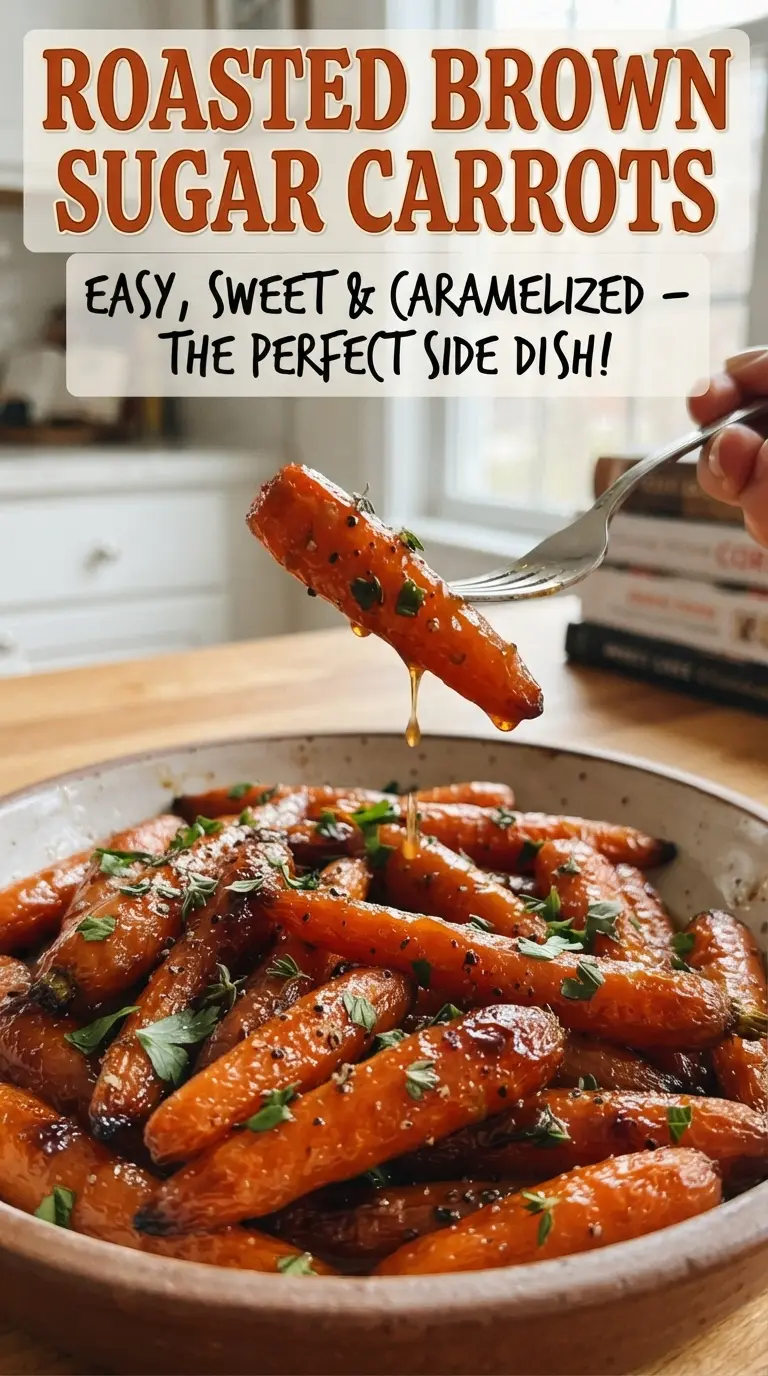
- Carrots — Use carrots that are similar in thickness so they roast at the same pace. Cutting them on the bias gives you more browned surface, which is where the flavor lives here. Baby carrots work in a pinch, but they usually roast up softer and a little less deeply caramelized.
- Butter — This carries the sugar and helps it cling to the carrots instead of sliding off into the pan. Melted butter coats more evenly than softened butter, and that even coating is what gives you consistent browning.
- Brown sugar — This is the glaze and the caramelization engine. Packed brown sugar melts into a sticky coating that turns glossy in the oven; light or dark brown sugar both work, but dark brown sugar will give you a deeper molasses note.
- Cinnamon — A small amount adds warmth without turning the dish into a spice side. If you want a cleaner carrot flavor, reduce it slightly rather than skipping it completely.
- Parsley — The fresh herb wakes up the finish and cuts through the richness. Don’t add it before roasting; it’s there to brighten the dish right before serving.
The 30 Minutes That Turn Plain Carrots Into a Glazed Side Dish
Coating the Carrots Evenly
Mix the carrots with the melted butter, brown sugar, salt, pepper, and cinnamon until every piece looks lightly lacquered. If you see dry patches, those spots will roast unevenly and stay pale. A bowl gives you better coverage than trying to season them on the pan first.
Roasting for Color, Not Just Tenderness
Spread the carrots in a single layer on the foil-lined sheet pan. The foil helps with cleanup, but the real reason for the lined pan is that the glaze will set up around the edges and get sticky fast. Roast until the carrots are tender enough to pierce with a fork and the edges are deep amber in places, then toss them halfway through so the bottom pieces don’t overbrown.
Finishing in the Pan Juices
When the carrots come out, toss them in the glaze that collected on the pan before you add the parsley. That hot syrup is where the strongest flavor is, and stirring it back over the carrots makes the coating look shiny instead of patchy. Serve them right away while the glaze is still loose and glossy.
How to Adapt These Carrots for Different Tables
Less Sweet, More Savory
Cut the brown sugar back to 2 tablespoons and add a pinch more black pepper. You’ll still get caramelized edges, but the carrots will taste more like a side dish than a glaze-heavy vegetable.
Dairy-Free Version
Swap the butter for melted olive oil or a neutral oil. You’ll lose a little of the round, buttery finish, but the carrots will still caramelize well as long as they’re coated evenly and roasted in a single layer.
Orange and Herb Twist
Add 1 teaspoon of orange zest with the parsley at the end. The citrus lifts the sweetness and gives the carrots a brighter finish without changing the roasting method.
Storage and Reheating
- Refrigerator: Store in an airtight container for up to 4 days. They soften a bit, but the glaze still holds.
- Freezer: They’ll freeze, but the texture gets softer after thawing, so I only do this if I plan to use them in a hash or soup later.
- Reheating: Warm in a 350F oven until hot, about 10 minutes. The microwave works, but it loosens the glaze and can make the carrots turn watery.
Questions I Get Asked About This Recipe
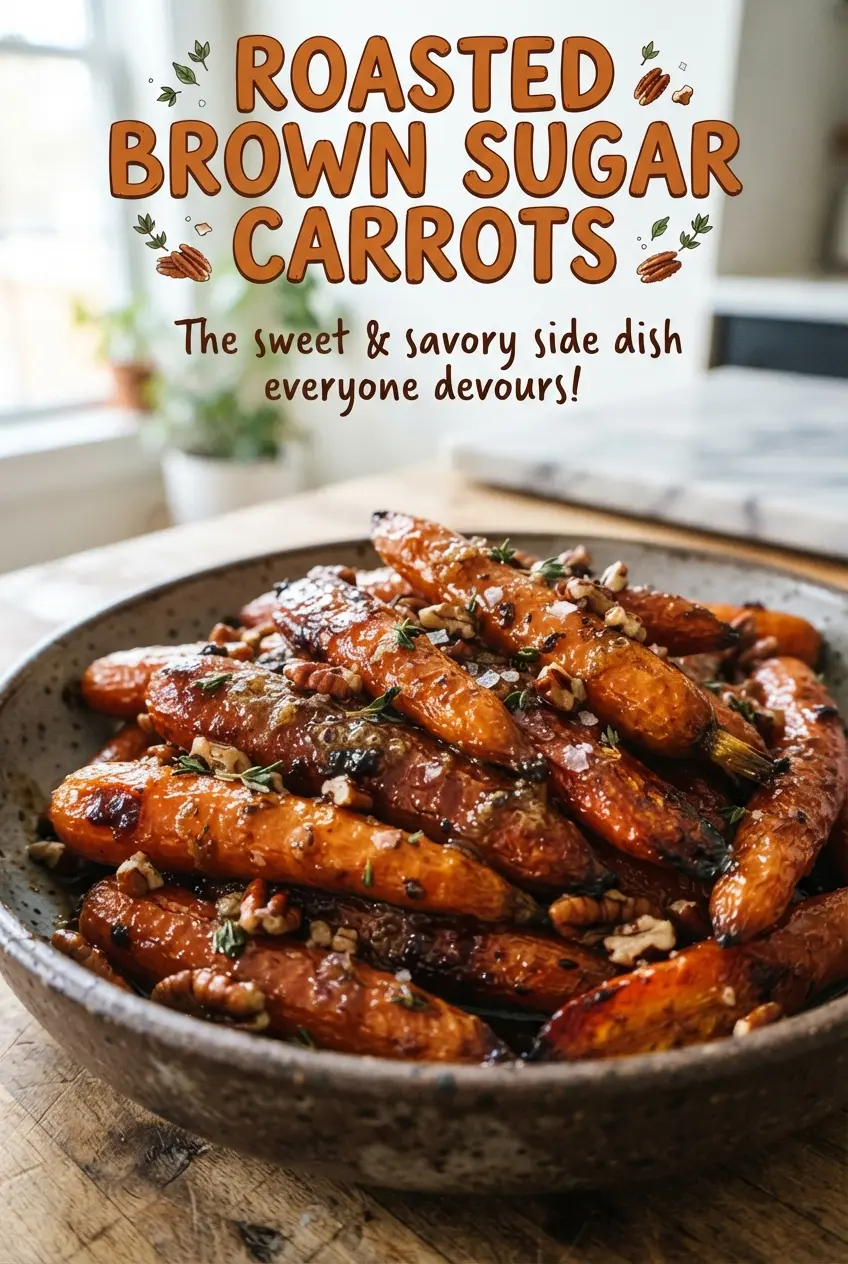
Roasted Brown Sugar Carrots
Ingredients
Equipment
Method
- Preheat the oven to 400F and line a sheet pan with foil.
- Toss the carrots with melted butter, brown sugar, salt, black pepper, and ground cinnamon.
- Spread the carrots in a single layer on the prepared sheet pan for even caramelization.
- Roast for 25-30 minutes, tossing halfway, until the carrots are tender and caramelized with browned edges.
- Toss the carrots in the pan juices so the glaze clings to every piece.
- Garnish with chopped fresh parsley and serve immediately.