Veggie mac and cheese should be creamy enough to coat every noodle, but sturdy enough to hold up under a crisp, buttery top. The best versions don’t hide the vegetables; they tuck them into the cheese sauce so every bite gets little pops of broccoli, sweet peas, roasted peppers, and spinach without turning the whole dish watery. What comes out of the oven is a casserole that feels generous and comforting, with enough texture to keep each forkful interesting.
This version works because the sauce starts with a real roux, then gets built slowly with milk and cream until it’s thick before the cheese goes in. That matters. If the sauce is thin going into the oven, the pasta keeps drinking it up and you end up with a dry bake instead of a creamy one. The vegetables are handled in a way that keeps them from bleeding too much moisture into the dish, and the panko topping gives you that golden finish that breaks cleanly under the spoon.
Below, I’ve included the small details that keep the sauce smooth, plus the ingredient swaps that actually work if you need to adjust the vegetables or the cheese.
The cheese sauce stayed silky, and the broccoli and peppers kept their shape instead of turning mushy. I baked it right at 30 minutes and the breadcrumb top came out crisp with bubbly edges.
Save this veggie mac and cheese for a baked pasta night with a crisp panko top and a creamy cheese sauce that holds the vegetables in place.
The Sauce Needs to Be Thicker Than You Think
This is the part most baked mac and cheese recipes get wrong. The sauce should look a little too thick when it comes off the stove, because the pasta, vegetables, and oven time all loosen and spread it out. If it looks pourable and glossy like soup, it will bake up loose and grainy instead of creamy and spoonable. The roux gives the sauce structure, but the real insurance is letting the milk and cream simmer long enough to lose their raw, thin edge before the cheese goes in.
The other thing that matters here is the order. Cheese goes in after the base has thickened, and the heat should be low enough that the sauce stays smooth. High heat can make cheddar and Gruyere separate, especially once the sauce is already rich with cream. Pull the pan off the burner if it starts looking oily around the edges.
What Each Ingredient Is Actually Doing in This Bake
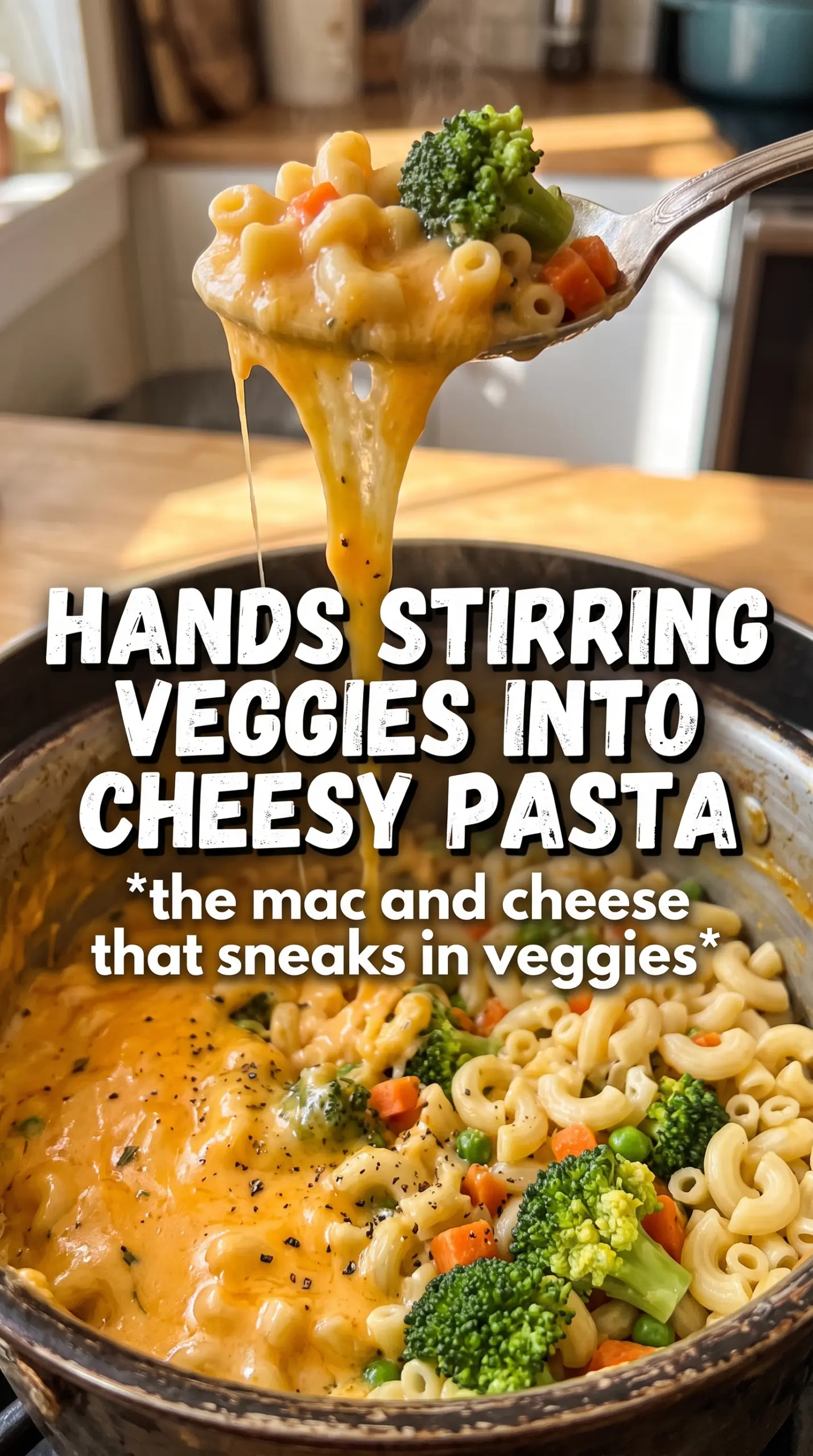
- Sharp cheddar — This is the main flavor and the cheese that gives the sauce its classic mac and cheese pull. Pre-shredded cheddar works in a pinch, but block cheese melts smoother because it doesn’t carry the anti-caking starch that can make sauces a little dull.
- Gruyere — This adds nuttiness and helps the sauce taste deeper without needing a long ingredient list. If you don’t have it, Fontina is the closest easy swap for meltability, though the flavor will be milder.
- Whole milk and heavy cream — The mix keeps the sauce rich without making it gluey. You can use all milk, but the sauce will be looser and less velvety; all cream is too heavy and can feel greasy after baking.
- Broccoli, peas, roasted red peppers, and spinach — These vegetables give you color, sweetness, and enough contrast to keep the dish from tasting flat. Blanch the broccoli and add the spinach at the end so the vegetables stay bright and don’t water down the casserole.
- Panko and parmesan topping — Panko gives the top its crunch, and parmesan helps it brown faster. If you want a softer top, skip the panko and finish with a little extra cheddar instead.
Building the Casserole So the Vegetables Stay Bright
Start with the Pasta and the Pan
Boil the pasta until just shy of tender, then drain it well and get it into the greased baking dish while you finish the sauce. It keeps cooking in the oven, so if it starts fully soft on the stovetop, the final texture goes mushy fast. Elbows and shells both work, but shapes with ridges or curves hold onto the sauce better than smooth pasta.
Cook the Roux Until It Smells Nutty
Melt the butter, whisk in the flour, and cook it for a full minute before adding liquid. The mixture should look like a pale paste and smell faintly toasted, not raw or floury. If you rush this part, the sauce can taste starchy even after the cheese melts.
Thicken Before the Cheese Goes In
Add the milk and cream gradually, whisking constantly so the base stays smooth. Let it simmer until it coats the back of a spoon and leaves a clean trail when you drag a finger through it. That thickness is what keeps the final bake creamy instead of runny. Once it’s there, drop the heat before stirring in the cheddar, Gruyere, Dijon, and smoked paprika.
Fold, Top, and Bake Until the Edges Bubble
Fold in the vegetables gently so the spinach wilts without tearing apart and the broccoli stays intact. Transfer everything to the baking dish, scatter the panko topping evenly, and bake until the surface is deeply golden and the sauce bubbles around the edges. If the top browns before the center is hot, tent it loosely with foil and keep baking until the middle is steamy.
Three Ways to Adjust This Without Losing the Creamy Bake
Make It Gluten-Free
Use your favorite gluten-free pasta and swap the flour for a 1:1 gluten-free blend. The sauce should still thicken, but give it an extra minute on the stove because some blends need a little more time to lose their raw edge. Skip any breadcrumbs that aren’t certified gluten-free.
Make It Dairy-Free
Use unsweetened oat milk or soy milk and a good dairy-free shred that melts well. The finished bake won’t have the same deep tang as cheddar and Gruyere, so add a little extra Dijon and smoked paprika to keep the sauce from tasting flat. Choose a dairy-free topping or leave the panko plain.
Use a Different Vegetable Mix
Cauliflower, peas, corn, and sautéed mushrooms all work well here. Keep watery vegetables like zucchini out unless you cook them down first, or they’ll thin the sauce and soften the pasta. The key is to use vegetables that bring texture, not extra moisture.
Make It Ahead
Assemble the casserole up to a day in advance, but hold the panko topping until right before baking so it stays crisp. If the dish goes into the oven cold from the fridge, add a few extra minutes and keep an eye on the center so it heats through evenly. The sauce may look tighter at first, then loosen again as it bakes.
Storage and Reheating
- Refrigerator: Store leftovers in an airtight container for up to 4 days. The sauce will firm up as it chills, which is normal.
- Freezer: It freezes reasonably well for up to 2 months, though the vegetables soften a bit after thawing. Freeze in portions for the best texture.
- Reheating: Reheat covered in a 325F oven with a splash of milk until hot in the center. Microwaving works for single portions, but use short bursts and stir between rounds so the cheese doesn’t separate.
Questions I Get Asked About This Recipe
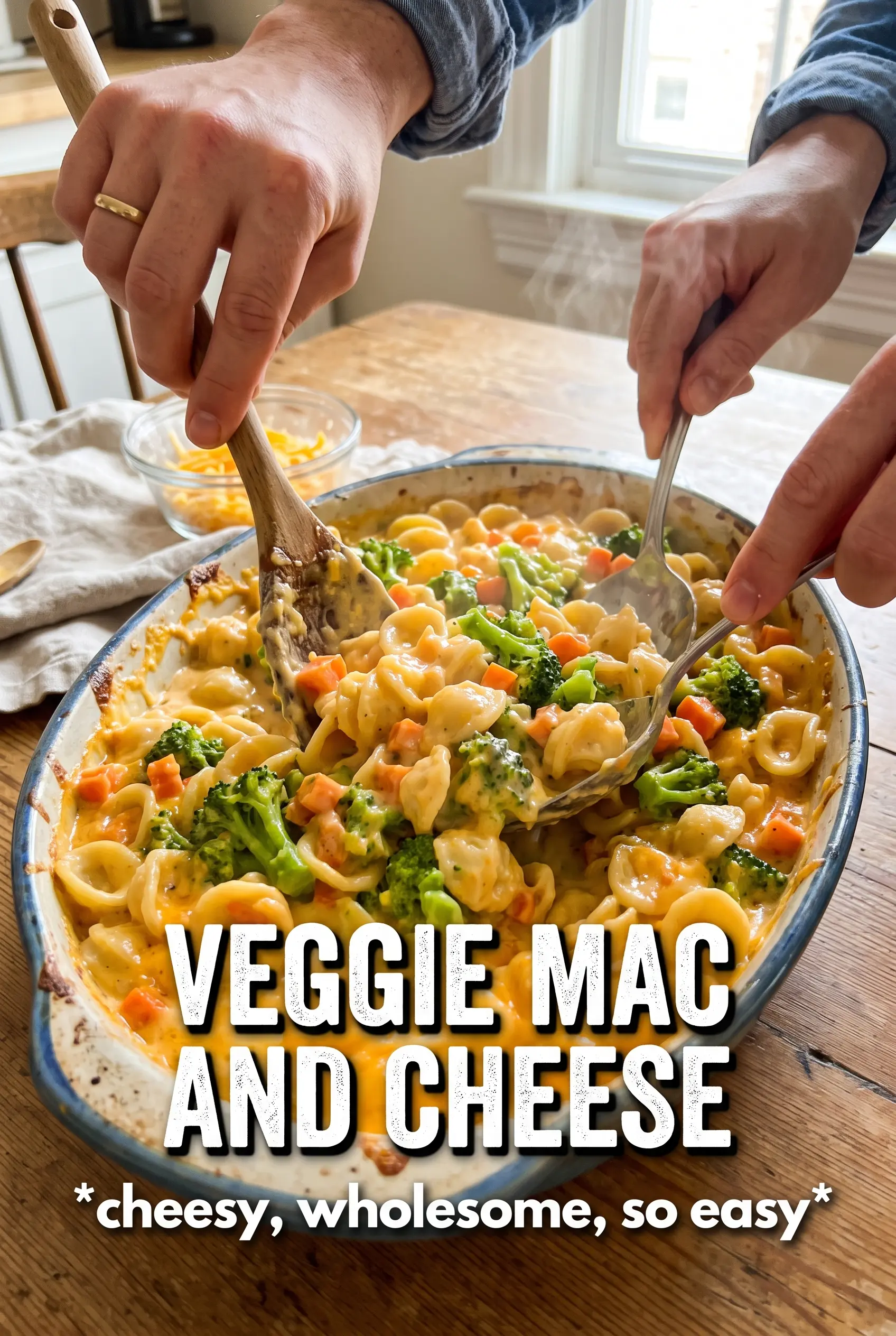
Veggie Mac And Cheese
Ingredients
Equipment
Method
- Preheat the oven to 375F and grease a 9x13 dish, so it’s ready for filling. [Visual cue: a greased dish with a light sheen of butter or oil.]
- Cook the elbow pasta or shells until tender, then drain well. [Visual cue: steam rising from the drained pasta.]
- Melt the unsalted butter and whisk in the all-purpose flour, then cook for 1 minute. [Visual cue: a pale, smooth roux.]
- Gradually add the whole milk and heavy cream while whisking until the mixture is smooth. [Visual cue: glossy sauce with no flour lumps.]
- Simmer the sauce until thick, stirring to prevent sticking. [Visual cue: sauce coats the back of a spoon.]
- Stir in the sharp cheddar and Gruyere until fully melted, then mix in the Dijon mustard and smoked paprika. [Visual cue: smooth, stretchy cheese sauce.]
- Fold the pasta, broccoli, peas, roasted red peppers, and baby spinach into the sauce, then season with salt and pepper. [Visual cue: colorful mix evenly coated in cheese.]
- Transfer the mixture to the greased dish. [Visual cue: an even layer of creamy mac with visible veggies.]
- Mix the panko topping and scatter it over the top, using the butter and parmesan to help it brown. [Visual cue: crumb topping that looks evenly sprinkled.]
- Bake for 25-30 minutes at 375F until golden and bubbling around the edges. [Visual cue: cheddar bubbling and a browned crumb crust.]